How Much Sunlight Do Dyer's litmus Need?
1
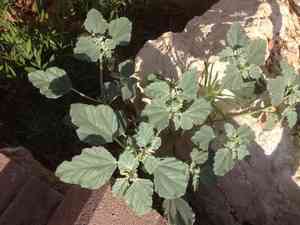
Dyer's litmus flourishes in bright, direct sunlight, requiring over six hours of sun exposure each day.
2
While partial shade is acceptable for Dyer's litmus, it achieves optimal growth with ample illumination.
3
Observe your Dyer's litmus for indications of insufficient or excessive light to modify its position as needed.
Optimal Illumination for Dyer's litmus
Required Daily Sun Exposure
For Dyer's litmus to thrive, it needs over 6 hours of direct sun daily. Full light exposure provides the plant with ample energy for photosynthesis, leading to vigorous development and rich foliage. If cultivating indoors or in dimmer regions, consider supplemental grow lights.
Direct vs. Diffused Light
Dyer's litmus prefers direct sunlight, meaning it should be placed where sunbeams hit its leaves for most of the day. However, during intense summer months or very hot climates, the plant may benefit from some afternoon shade to prevent leaf scorching.
Seasonal Light Requirements
Sunlight intensity and duration change with the seasons. During its active growth period (spring and summer), Dyer's litmus flourishes with abundant light. Conversely, in autumn and winter, reduced daylight and weaker sun necessitate adjustments. Moving the plant to a brighter window or closer to a light source helps maintain its health year-round.
Adjusting to Various Light Levels
Indoor Lighting Adjustments
If growing Dyer's litmus indoors, positioning it near south-facing windows typically offers the best light. For rooms with less natural illumination, fluorescent or LED grow lights can supplement its needs. Aim for lights that mimic the full spectrum of natural sunlight.
Outdoor Placement Advice
When planting Dyer's litmus outdoors, select a spot that receives at least 6 hours of direct sun. Morning sun is less harsh and often more beneficial than intense midday rays. If potted, consider moving them to follow the sun's path throughout the seasons.
Utilizing Shade Cloths or Filters
In extremely sunny or hot conditions, Dyer's litmus might benefit from some protection. Shade cloths or garden netting can filter intense midday sun. This is especially useful during peak summer to prevent leaf burn while still ensuring the plant gets adequate light.
Indicators of Light Imbalance in Dyer's litmus
Recognizing Light Deficiency
Insufficient light can cause Dyer's litmus to become elongated, with stretched stems and smaller, less vibrant leaves. If the plant appears to lean towards a light source or exhibits slowed growth, it's likely not receiving enough sunlight.
Signs of Excessive Sun Exposure
Conversely, too much intense sunlight can lead to leaf burn, appearing as brown, crispy edges on the foliage. If you observe these signs, it's an indication to provide some afternoon shade or relocate the plant to a less sun-drenched spot.
Remedial Actions
Gradually adjust the plant's position to find its ideal spot. For light deficiency, move Dyer's litmus closer to a light source or increase artificial lighting. For excess light, provide indirect light during peak hours or use shade cloths. Monitor for stress signs to make timely adjustments.
Common Questions Regarding Dyer's litmus Sunlight Needs
Can Dyer's litmus Survive in Low Light?
Dyer's litmus can endure partial shade, but it will not thrive in low light. Dim conditions can impede its growth, making the plant appear weak and less vibrant. If grown in less ideal light, ensure it gets some direct sun or supplement with grow lights.
How to Prevent Sunburn in Dyer's litmus?
To protect Dyer's litmus from sunburn, avoid prolonged exposure to intense midday sun. Using shade cloths or moving the plant to an area with filtered light during peak sun hours can be very helpful. Regular observation will help you detect early signs of sun stress and take corrective action.



