The Dyer's litmus Plant Advantage: Maximizing Home and Office Appeal and Wellness
1
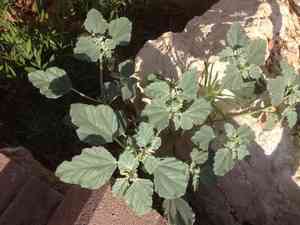
Dyer's litmus is recognized for its anti-inflammatory effects.
2
This plant is famous for its ability to produce dye.
3
Dyer's litmus has historically been utilized for its wound-mending qualities.
What Are the Main Advantages of Dyer's Litmus?
Anti-Inflammatory Qualities
A primary advantage of Dyer's litmus is its anti-inflammatory characteristics. The plant contains compounds that aid in reducing inflammation, making it an excellent natural treatment for individuals suffering from chronic inflammatory conditions. Regular application of Dyer's litmus can help manage symptoms and enhance overall well-being.
Natural Pigment Creation
Beyond its health benefits, Dyer's litmus is also highly valued for its capacity to produce dye. The plant yields a rich, natural pigment that has been utilized for centuries to color textiles and other materials. This environmentally friendly and sustainable dye option offers a viable alternative to synthetic dyes, which are often detrimental to the environment.
How Can Dyer's Litmus Support Skin Health?
Wound-Healing Capabilities
Another remarkable benefit of Dyer's litmus is its ability to assist in wound recovery. The plant's natural components promote quicker healing of cuts and scrapes, lowering the risk of infection and scarring. This makes Dyer's litmus an excellent addition to your natural first aid kit.
Skin Calming Effects
In addition to accelerating wound healing, Dyer's litmus also possesses soothing effects on the skin. It can be employed to alleviate irritation and redness caused by various skin conditions, providing relief and fostering healthier skin.
What Makes Dyer's Litmus an Environmentally Friendly Option?
Sustainable Cultivation
Dyer's litmus is a robust plant that can thrive in diverse climates and soil types, making it an ideal candidate for sustainable agriculture. Its cultivation requires minimal water and no synthetic fertilizers or pesticides, thereby reducing its environmental impact and promoting healthier ecosystems.
Eco-Conscious Dye
As previously mentioned, Dyer's litmus produces a natural dye that is not only vibrant and long-lasting but also environmentally sound. By opting for dyes derived from Dyer's litmus, you can help decrease the demand for harmful synthetic dyes and contribute to a more sustainable fashion industry.
How Is Dyer's Litmus Utilized in Traditional Practices?
Herbal Remedies
In numerous cultures, Dyer's litmus has been employed as a traditional herbal remedy for various ailments. From easing stomach discomfort to treating skin conditions, the plant has a long history of use in natural medicine. It's important to note, however, that while these traditional applications are intriguing, one should always consult a professional before trying new remedies.
Cultural Importance
Dyer's litmus holds cultural significance in many communities. It has been used in rituals, traditional medicine, and daily life for centuries, highlighting its importance and value in various cultures. This historical context adds to the plant's appeal and demonstrates its long-standing relationship with humans.
What Are the Practical Applications of Dyer's Litmus in Everyday Life?
Natural Insect Repellent
The potent aroma of Dyer's litmus acts as a natural insect repellent, making it a useful ally in keeping pests at bay. Whether you're looking to safeguard your garden or keep bugs out of your home, the plant offers an eco-friendly and non-toxic solution.
Gardening Companion
Dyer's litmus can also be a great companion plant in your garden. Its presence can help deter pests and foster a healthier growing environment for neighboring plants. Plus, its resilient nature makes it easy to cultivate, even for beginner gardeners.



