How to Transplant Quinoa?
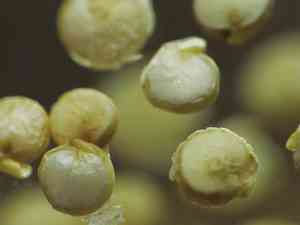
The arrival of moderate warmth from early to mid-spring marks the ideal period for relocating quinoa, as the more temperate conditions aid in root development. Select a location bathed in sunlight with soil that drains effectively. When providing transplant advice, confirm quinoa has sufficient room to flourish.
What Preparations are Needed Before Transplanting Quinoa?
What is the Ideal Time for Transplanting Quinoa?
The arrival of spring's gentle warmth offers the perfect opportunity for relocating quinoa. This period, as frost gives way to a mild climate, establishes prime conditions for root development and initial growth. Moving quinoa at this time leverages the entire upcoming growing season, setting the stage for a bountiful harvest. Our friendly suggestion: utilize this window to allow quinoa the chance to flourish in its new spot, benefiting from longer days and milder nights for optimal development.
How Much Space Should You Leave Between Quinoa Plants?
When you're prepared to move your quinoa, allow approximately 1-2 feet (30-60 cm) between each plant. This will provide your quinoa ample room to develop smoothly, and is perfect for the yield.
What is the Best Soil Mix for Quinoa Transplanting?
Quinoa prefers soil that drains well, so select a type like sandy loam or clay. Before planting, enrich your soil with a foundational fertilizer such as composted manure. This assists your quinoa in acquiring the necessary nutrients for its development.
Where Should You Relocate Your Quinoa?
For optimal outcomes, select a site for your quinoa that receives full sunlight for the majority of the day. This ensures your quinoa gets the necessary sun exposure, but also some shade to prevent overheating.
What Equipments Should You Prepare Before Transplantation Quinoa?
Spade or Shovel
This implement will aid in digging the hole in your garden where quinoa will be moved, and also in extracting the plant from its original spot.
Gardening Gloves
Protect your hands while handling the soil and plant material.
Watering Can
You'll require this to hydrate the plant after it has been relocated.
Wheelbarrow or Garden Cart
To move the plant from its initial location to the new planting area.
Garden Fork
This tool is useful for loosening the soil at the transplanting site.
Trowel
For creating a cavity that matches the size of the plant's root ball.
How Do You Remove Quinoa from the Soil?
How Do You Remove Quinoa from the Soil?
From Ground: Moisten the soil surrounding your quinoa plant with water to facilitate the removal process. Carefully dig around the plant using a spade or shovel, ensuring the root ball remains intact. Work the spade beneath the root ball to lift the plant from its original position.From Pot: Hydrate the quinoa plant before proceeding. Invert the pot while gently holding the plant at its base, then tap the bottom of the pot a few times. It should slide out with the root ball and soil undisturbed.From Seedling Tray: Water the tray to soften the growing medium. Gently grasp the quinoa seedling by its leaves, not the stem, and with a small tool (like a spoon), lift the seedling out, aiming to preserve as many roots as possible.
Step-by-Step Guide for Transplanting Quinoa
Preparation
Prepare your new site by loosening the soil with a garden fork, allowing for improved root penetration.
Digging
Excavate a hole that is twice as wide and the same depth as the root ball of the quinoa plant using a trowel.
Placement
Position the quinoa plant into the hole, ensuring the top of the root ball is level with the surrounding ground.
Backfill
Refill the hole with the soil that was initially removed, firming the soil around the base of the quinoa plant without compacting it excessively.
Watering
Thoroughly water the quinoa plant with a watering can, making sure the water reaches the root zone.
How Do You Care For Quinoa After Transplanting?
Watering
Keep the soil around the quinoa plant consistently moist, but avoid over-saturating as this can lead to root rot.
Weed Monitoring
Remain vigilant for competing weeds. Regularly check your plant and gently remove nearby weeds that might vie for nutrients.
Mulch
Applying mulch around the plant can help maintain soil moisture levels. Choose an organic mulch such as leaf litter, straw, or wood chips.
Inspection
Regularly examine the quinoa plant for any indications of stress or disease. Early detection increases the likelihood of successful treatment.
Troubleshooting Common Issues with Quinoa Transplantation.
When is the best time to transplant quinoa?
The optimal moment to move quinoa is during S1-S2. Proper timing encourages growth and minimizes transplant shock.
How far apart should I space my quinoa?
For ideal development, always aim for a spacing of 1-2 feet (approx. 30-60 cm) between your plants.
Why are the leaves of my quinoa turning yellow after transplanting?
This could be due to transplant shock, insufficient watering, or a nutrient deficiency. Ensure the plant is adequately watered and provided with balanced nutrients.
My quinoa roots are appearing above soil after transplanting. What's wrong?
Your quinoa may not be planted deep enough. Make sure it's planted to a depth of around 0.5-1 foot (approx. 15-30 cm).
What type of soil is optimal for transplanting quinoa?
Quinoa thrives in well-drained, loamy soil with a neutral to slightly acidic pH. Selecting the correct soil type will enhance your plant's health.
Why is my transplanted quinoa drooping?
Post-transplant drooping typically indicates thirst. Water the plant thoroughly and regularly, especially in the initial days after transplanting.
How do I ensure the successful transplantation of quinoa?
Healthy roots significantly contribute to successful transplantation. Avoid damaging quinoa's delicate root system during relocation.
Why does my transplanted quinoa have stunted growth?
This could be due to various issues such as inadequate light, poor soil quality, or a lack of water/nutrients. Address these factors for healthy growth.
The transplanted quinoa is wilting fast. What could be the reason?
Rapid wilting might be due to insufficient watering or severe root disturbance during transplant. Try to minimize root damage and provide ample hydration.
If the transplanted quinoa gets pest infection, what is my next step?
Minimize pest problems through good maintenance practices and use organic or chemical pesticides as needed. Seek expert advice if the infestation worsens.



