How to Propagate Quinoa?
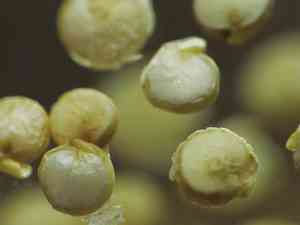
This exceptionally nourishing plant is typically multiplied via seeds. When initiating quinoa germination, employ rich, well-draining earth, maintaining steady dampness until emergence. For optimal development, seeds ought to be planted superficially, guaranteeing sufficient distance to avert congestion as the quinoa develops. Careful management of the fragile young plants is vital to prevent harm to their root systems during relocation.
Optimal Period for Quinoa Propagation
Propagation Method
Seeding
Propagation Period
Spring
Essential Tools for Quinoa Propagation
Seed trays
Seed trays are vital for initiating quinoa from seeds, allowing for efficient use of space and simple management of germination conditions. Their shallow compartments help maintain the small soil volume required, preventing seeds from sitting in water and thus lowering the risk of fungal infections.
High-quality potting mix
A sterile, nutrient-rich potting medium offers an ideal base for quinoa seeds to sprout and flourish. This mix aids in sustaining proper moisture and promotes robust root growth, which is critical for quinoa's establishment.
Misting bottle
A misting bottle is essential for gently hydrating quinoa seeds without displacing them. A fine mist delivers the uniform moisture needed for seed germination, while preventing excessive water that could cause damping off or fungal proliferation.
Heating mats
Heating mats are advantageous for quinoa propagation, particularly in cooler climates, as they provide consistent warmth from below. This heat is crucial for optimal quinoa germination rates, mimicking its natural growth cycle conditions.
Grow lights
If natural light is insufficient, grow lights can be employed to supply the necessary light spectrum for healthy quinoa growth and development. They allow for control over light exposure, which is important during the plant's early stages.
Plastic domes
Plastic domes fit over seed trays to help maintain high humidity and warm temperatures, creating an ideal microenvironment for quinoa seed germination. The dome also shields seeds from pests and sudden temperature fluctuations.
How to Propagate Quinoa?
Propagation Type
Simple
Post-Propagation Care for Quinoa
How to Care for Your Newly Propagated Quinoa?
Following propagation, ensure quinoa receives regular watering to keep the soil damp but not waterlogged. Provide full sun exposure and protect from strong winds. Fertilize with a balanced feed every few weeks. Monitor for pests and diseases, applying appropriate control measures if needed. Harvest quinoa when plants are tall, leaves have dropped, and seeds are firm, typically 90-120 days post-planting.
Common Errors to Avoid When Propagating Quinoa
Insufficient drainage
Using a soil blend that drains poorly can lead to waterlogging, potentially causing root rot and hindering quinoa's development.
Overcrowding seeds
Planting quinoa seeds too closely can result in poor air circulation and competition for resources, weakening the young plants.
Planting depth
Sowing quinoa seeds too deep can impede their germination due to lack of light or the inability of small seedlings to reach the surface.
Excess watering
Providing too much water can lead to fungal diseases and poor root development in quinoa, impeding its propagation.
Neglecting first true leaves
Failing to recognize the emergence of quinoa's first true leaves can lead to premature transplanting, which may shock and damage the young plants.
Tips For Propagating Quinoa
Soil preparation
Utilizing a well-draining soil mix with adequate organic matter will support quinoa's root development and overall vitality.
Seed spacing
Spacing quinoa seeds appropriately allows for sufficient air flow, reduces disease risk, and provides ample room for growth.
Shallow sowing
Planting quinoa seeds at a shallow depth ensures they receive enough light to germinate successfully and emerge robustly.
Moderate watering
Maintaining consistent moisture levels without overwatering helps quinoa seeds germinate and lowers the risk of diseases.
Transplant timing
Waiting for quinoa to develop several true leaves before transplanting will ensure seedlings are strong enough to handle the move.



