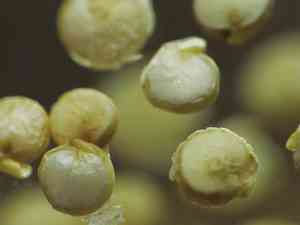
Quinoa (Chenopodium quinoa)
Also known as: Inca wheat, Pigweed, Grain of the incas
Quinoa is a plant that has been grown for its nutrient-rich seeds for thousands of years. These seeds have long been used as a staple food similar to cereals. Additionally, quinoa produces saponins, which are useful in creating soaps, detergents, and cosmetics. It is also recognized as kosher for Passover within the Jewish community.
In This Article
Attributes of Quinoa
Lifespan
Annual, Biennial
Plant Type
Herb
Plant Height
61 cm to 76 cm
Spread
10 cm
Leaf Color
Green Red Purple
Flower Size
2.5 cm
Flower Color
Green Red
Images of Quinoa

Quickly Identify Quinoa
1
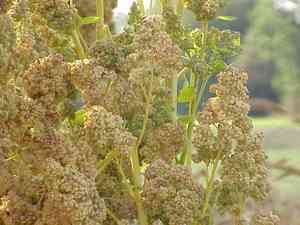
Quinoa is identified by its broad, roughly triangular leaves, and its dense clusters of flowers which develop into seeds. Unlike other crops, quinoa\'s seeds can come in various colors such as white, red, and black.
Scientific Classification of Quinoa
Phylum
Vascular plants
Class
Dicotyledons
Order
Caryophyllales
Family
Amaranth
Genus
Goosefoots
Species
Quinoa
Planting and Growing of Quinoa
Care Difficulty
Easy
Watering Schedule
Every 6 days
Sunlight Requirements
Full sun
Sunshine Duration
4-6 hours
Ideal Temperature
60-75℉
Soil Type
Potting Mix, Peat Mix
Soil pH
6-8.5
Fertilizer Type
Balanced
Pruning Season
Spring, Summer
Pruning Area
Branches, Leaves
Pruning Frequency
2 times a year
Repotting Season
Spring
Pot Type
Plastic, Ceramic
 How to Water Quinoa?
For Chenopodium quinoa, it’s important to water deeply but infrequently. Slow, deep watering ensures the soil gets moisture at the root level. Aim to keep the soil evenly moist but not waterlogged, with around 500 ml per session, allowing time for the soil to dry out between waterings.
What are the symptoms of an underwatered Quinoa?
›
What should I do if my Quinoa is not getting enough water?
›
What are the symptoms of an overwatered Quinoa?
›
How to save an overwatered Quinoa?
›
 What Are the Sunlight Requirements for Quinoa?
Chenopodium quinoa thrives best in full sun to partial sun, benefiting from six to eight hours of light daily. Adequate lighting boosts its photosynthesis rate, ensuring robust growth and a high yield of nutritious seeds.
More About Sunlight Requirements Techniques→
Why does Chenopodium quinoa need ideal lighting?
›
What are the solutions for achieving ideal lighting?
›
What benefits can Chenopodium quinoa gain from ideal lighting?
›
 What Is the Ideal Temperature Range for Quinoa?
The ideal temperature range for growing Chenopodium quinoa is between 60°F and 75°F. Within this range, quinoa plants can thrive and produce optimal growth, as these conditions most closely mimic their native growing environments. Maintaining this temperature range supports the plant's physiological processes and ensures robust foliage and seed production. Ideal temperatures allow the quinoa plant to efficiently utilize nutrients, conduct photosynthesis, and establish healthy root systems necessary for gaining sustainability against pests and diseases.
 What Soil is Best for Quinoa?
Chenopodium quinoa thrives in well-drained soil, preventing root rot and other moisture-related issues. This improves the plant's overall health and yield, as the roots receive adequate oxygen and nutrients are better absorbed. Quinoa requires soil that holds moisture yet drains well. This balance prevents drought stress without waterlogging, ensuring consistent growth and robust seed production. For optimal growth, quinoa benefits from nutrient-rich soils. Loam provides a balanced mix of sand, silt, and clay, delivering essential nutrients that enhance plant vigor and seed yield.
More About Soil→
 How to Fertilize Quinoa?
When fertilizing Chenopodium quinoa, it's important to balance providing nutrients without overdoing it. A light sprinkling for liquid fertilizers, about 10 milliliters per plant, is often sufficient. For slow-release fertilizers, follow the package instructions, but generally 50 grams per square meter is a good starting point.
 How to Prune Quinoa?
Begin by identifying stems that are too long, damaged, or cross over each other. These are your primary targets for pruning. Use sharp, sterilized pruning shears to make clean cuts, ensuring you avoid tearing the stems. When pruning, cut just above a leaf node at a 45-degree angle to promote new growth. This encourages the plant to develop more branches and produce more leaves, which is essential for optimal quinoa yield. After pruning, make sure to clear away all plant debris from around the base of the quinoa plant. Leaving cuttings on the ground can attract pests or facilitate the development of diseases.
More About Pruning Techniques→
 How to Propagate Quinoa plant?
1
Before sowing, soak quinoa seeds in water for 4-6 hours. This helps to soften the seed coat, promoting faster germination and more uniform seedling growth.
2
Scatter the soaked seeds evenly onto the surface of the soil in the seed tray. Cover them lightly with a thin layer of soil, ensuring they are not buried too deeply to enhance germination.
3
After sowing, gently mist the soil surface with water to moisten it. It's essential to keep the soil consistently moist but not waterlogged, which can lead to rot.
 How to Repot Quinoa plant?
1
Quinoa plants should be repotted when you notice that the roots are circling the pot edges, or the plant is top-heavy, visibly outgrowing its current pot. Early Spring or Summer is an ideal time to refresh its environment when growth begins to accelerate after Winter dormancy.
2
Choose a pot that is one size larger than the current one with good drainage holes. The larger space helps support future growth, while proper drainage prevents root rot, which is crucial for quinoa's health.
3
Select a well-draining, loamy soil mix rich in organic matter. This supports healthy root development, retains nutrients, and offers sufficient aeration, helping prevent issues like overwatering.
Learn More About Quinoa Diseases
Anthracnose
Bacterial Leaf Spot
Bacterial Soft Rot
Bacterial Wilt
Cyst Nematode
Damping-off
Downy Mildew
Drought Stress
Fusarium Wilt
Gray Mold
Leaf Spot
Mosaic
Nutrient Deficiency
Nutrient Toxicity
Powdery Mildew
Root Rot
Root-knot Nematode
Rusts
Sooty Mold
Spider Mites
Temperature Stress
Thrips Damage
White Mold



