How to Transplant African corn flag?
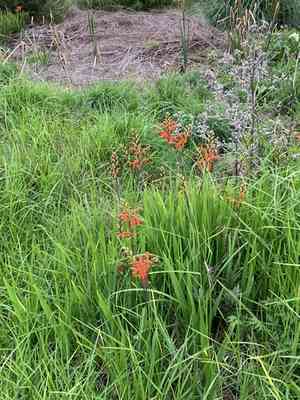
African corn flag flourishes when moved in early to mid-spring, taking advantage of the moderate weather and growing daylight. Select a bright location with soil that drains effectively to guarantee vigorous development after transplantation.
Necessary Preparations Before Relocating African Corn Flag?
Optimal Period for Relocating African Corn Flag?
African corn flag should ideally be moved during the initial to middle spring period. Relocating in this season provides the plant ample opportunity to establish its root system prior to the hot summer months, ensuring vigorous development. Furthermore, the cool, damp conditions of spring minimize transplant shock and encourage healthier growth.
Required Spacing Between African Corn Flag Plants?
When relocating african corn flag, aim to position each plant 12 to 18 inches (30 to 45 cm) apart. This will provide sufficient room for growth and ensure adequate air circulation, helping to prevent disease.
Ideal Soil Blend for African Corn Flag Relocation?
For african corn flag, prepare well-draining soil, preferably sandy or loamy, enriched with compost or a balanced fertilizer like 5-10-10. This supplies essential nutrients and promotes robust root development.
Where to Replant Your African Corn Flag?
Select a sunny location for relocating african corn flag, where it will receive full sunlight for at least 6 hours daily. This plant flourishes in bright light, fostering healthy foliage and vibrant blooms.
Equipment to Prepare Before Relocating African Corn Flag?
Gardening Gloves
To safeguard your hands while handling soil and the plant.
Shovel or Spade
For excavating the plant and the new planting site.
Watering Can or Hose
To hydrate the plant before and after relocation.
Trowel
To assist with more precise digging and soil manipulation.
Wheelbarrow or Pot
To move the plant if transporting it over a distance.
How to Extract African Corn Flag from the Soil?
How to Extract African Corn Flag from the Soil?
From Ground: First, moisten the african corn flag plant to dampen the soil. Then, excavate a wide trench around the plant using a shovel or spade, ensuring the plant's root ball remains intact. Carefully work the spade beneath the root ball to lift the plant from its original spot.From Pot: Begin by gently tapping the sides of the container to loosen the soil. Invert the pot and carefully slide the african corn flag plant out, ensuring you support the root ball to prevent damage. If the plant is rootbound, you can gently separate the roots with your fingers.From Seedling Tray: Water the seedling tray to facilitate removal. Use a trowel or your fingers to gently lift the african corn flag seedling, ensuring to take as much of the root system as possible to avoid shock or harm.
Step-by-Step Guide for Relocating African Corn Flag
Site Preparation
Choose an appropriate location for relocation. Ensure the site has adequate sunlight and sufficient space for the mature size of the african corn flag. Prepare the soil by loosening it with a trowel or spade.
Dig a Hole
Excavate a hole that is twice as wide and equally deep as the root ball of the african corn flag. This will allow the roots to spread easily in the new location.
Relocation
Place the african corn flag into the prepared hole. Ensure the top of the root ball is level with the surrounding soil. Backfill the hole with soil, pressing down gently to eliminate air pockets.
Watering
Water the african corn flag immediately after planting to settle the soil and aid root establishment. Use enough water to thoroughly moisten the soil around the root zone.
Mulching
Apply a layer of mulch around the base of the african corn flag to help retain moisture and suppress weeds. Ensure the mulch does not directly touch the stem to prevent rot.
Post-Relocation Care for African Corn Flag?
Watering
Keep the soil around the african corn flag consistently moist, but not waterlogged, for the initial few weeks after relocation to help establish strong roots.
Monitoring
Regularly inspect the plant for signs of distress, such as wilting or yellowing leaves, and adjust care as needed.
Protection
Shield the african corn flag from harsh weather conditions, such as strong winds or heavy rains, until it becomes well-established in its new location.
Fertilizing
Avoid heavy fertilization immediately after relocation. If necessary, use a light, balanced fertilizer after a few weeks to support growth.
Resolving Common Issues with African Corn Flag Relocation.
When is the best time to relocate african corn flag?
The best time to relocate african corn flag is early to mid-spring for optimal growth.
How far apart should I space african corn flag plants?
Space african corn flag plants 12-18 inches (30-45 cm) apart to allow proper growth.
What should I do if african corn flag leaves wilt after relocating?
Ensure proper watering and gradual acclimatization to the new environment to mitigate stress.
How do I prepare the soil for relocating african corn flag?
Amend the soil with compost and ensure it is well-draining before relocating.
Should I prune african corn flag before relocating?
Yes, trim any damaged or excessive foliage to reduce transplant shock.
Is it necessary to water african corn flag immediately after relocating?
Yes, water thoroughly right after relocating to settle the soil around the roots.
How deep should I plant african corn flag bulbs?
Plant african corn flag bulbs about 2-3 inches (5-7 cm) deep in the soil.
What type of light conditions are best for relocated african corn flag?
African corn flag thrives best in full sun to partial shade conditions.
How can I reduce transplant shock for african corn flag?
Water regularly and provide temporary shade if necessary until the plant establishes.
Can I relocate african corn flag during a heatwave?
Avoid relocating african corn flag during extreme heat; wait for cooler, early to mid-spring conditions.



