How to Prune African corn flag?
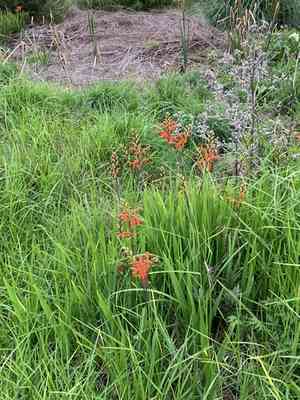
African corn flag is recognized for its vivid orange blossoms and elongated, blade-like leaves. To preserve its vitality and aesthetic, trim african corn flag in late winter or early spring prior to the emergence of new shoots. Remove any withered or compromised foliage and faded flower stalks. This fosters vigorous development and avoids excessive density. Consistent trimming also assists in managing its expansion and enhancing air movement. Always employ sanitized, sharp implements to avert illness.
Advantages of Trimming African Corn Flag
Advantages of Trimming African Corn Flag
Trimming african corn flag promotes robust development and helps maintain its form. Regular trimming enhances its overall look, ensures healthier foliage, and boosts flower production. This also aids in resistance to pests and diseases, making african corn flag more resilient and appealing.
Optimal Time for Trimming African Corn Flag
Optimal Time for Trimming African Corn Flag
African corn flag should be trimmed in late winter to early spring as this period aligns with the plant's dormant stage, reducing stress and encouraging vigorous growth in the upcoming season. Trimming during this window helps in removing dead or damaged foliage before the active growth phase begins, which improves air circulation and light penetration. These factors contribute to abundant flowering and overall plant vitality. Ensuring the trimming is done before the plant fully awakens from dormancy helps maintain its health and enhances its performance in the flowering season.
Tools Required for Trimming African Corn Flag
Hand Pruners (Bypass Pruners)
These are ideal for precise cuts on delicate stems and leaves of african corn flag. They allow for close and clean cutting, minimizing plant damage.
Loppers
Loppers are useful for cutting thicker stems that hand pruners cannot manage. They provide the leverage needed for clean cuts on tougher parts of african corn flag.
Pruning Shears
Pruning shears are essential for general upkeep tasks, such as deadheading spent flowers and trimming back dead leaves. They help maintain the plant's appearance and health.
Pruning Saw
For any larger, woody stems that may need to be cut back, a pruning saw is recommended. It provides the necessary strength and precision for clean cuts on thicker branches.
Sanitizing Alcohol
Keep a bottle of sanitizing alcohol on hand to clean tools between cuts, preventing the spread of disease among plants.
How to Trim African Corn Flag
Examine
Inspect african corn flag for any diseased or withered leaves. Identify leaves that show discoloration or signs of decay.
Tools
Prepare sanitized pruning shears or scissors to ensure that you do not introduce pathogens to african corn flag.
Cut Diseased
Carefully trim away any diseased leaves by cutting as close to the base as possible without harming healthy tissue.
Cut Withered
Remove withered leaves by snipping them off at their base. Make sure to dispose of these leaves properly to prevent any spread of disease.
Disposal
Clean up the trimming area by removing all trimmed leaves and sanitize your tools after use to maintain plant health.
Common Trimming Errors with African Corn Flag
Improper technique
Using dull or dirty trimming tools can harm delicate tissues and introduce disease.
Trimming too heavily
Excessive trimming can stress the plant, leading to weakened growth or fewer blooms.
Incorrect cutting angles
Making cuts too close to the stem or in the wrong direction can hinder proper healing and new growth.
Neglecting to remove dead or diseased material
Failing to remove unhealthy parts can allow diseases to spread and impede overall plant health.
Common Trimming Tips for African Corn Flag
Use clean, sharp tools
Ensure trimming shears and tools are sterilized to prevent infection and make clean cuts.
Trim minimally
Limit trimming to no more than one-third of the plant to avoid undue stress and promote healthy growth.
Make angular cuts
Cut at a 45-degree angle above a node or bud to encourage outward growth and proper water runoff.
Remove dead or damaged parts first
Focus initial efforts on removing dead or diseased stems and leaves to direct energy towards healthy tissue.



