How to Propagate African corn flag?
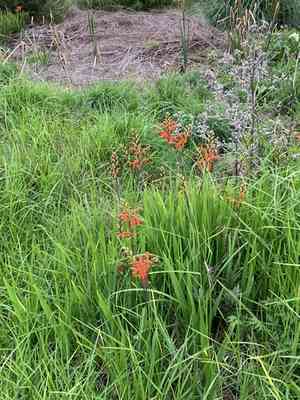
African corn flag, a perennial bulbous plant originating from South Africa, is recognized for its vibrant orange-red blooms. To achieve effective propagation, employ tubers, verifying their freedom from disease and planting them in soil with good drainage. It is essential to sustain steady hydration throughout the growth period, preventing excessive water accumulation. Consistent inspection for insects and ailments will foster more robust development. The application of organic nutrients can improve tuber formation and the plant's general strength.
Optimal Period for African Corn Flag Propagation
Propagation Method
UseTheTubers
Propagation Period
Spring
Tools for African Corn Flag Propagation
Hand Trowel
This instrument is vital for excavating soil to carefully extract african corn flag tubers without harm. It offers precise handling during tuber removal and planting.
Pruners
Sharp cutting tools are essential for trimming any damaged or excess parts of the tubers and surrounding foliage. Ensuring clean and proper cuts promotes robust new growth.
Garden Fork
A garden fork is beneficial for loosening the soil around african corn flag, simplifying tuber extraction. This tool minimizes disturbance to soil structure and root systems compared to a spade.
Sterilizing Solution
Prior to using any cutting implements, sanitizing them with a solution helps prevent disease transmission. Maintaining cleanliness in the propagation process is crucial for african corn flag's health and viability.
Soil Knife
This versatile implement can be utilized to precisely divide african corn flag tubers. It is particularly effective for making clean cuts that encourage successful propagation and development.
Rooting Hormone
Applying rooting hormone to the cut surfaces of african corn flag's tubers can stimulate quicker root development and enhance the likelihood of successful propagation.
Plant Labels
Employing labels to mark newly planted african corn flag tubers aids in tracking their location and relevant planting details, which is critical for monitoring growth and care.
Watering Can with Fine Rose
A watering can equipped with a fine rose head ensures gentle and even irrigation, preventing african corn flag tubers from being dislodged or harmed by a strong water flow.
How to Propagate African Corn Flag?
Propagation Type
Easy
Caring for Your Newly Propagated African Corn Flag
Caring for Your Newly Propagated African Corn Flag
Post-propagation, african corn flag requires consistent monitoring for adequate sunlight and moisture. Maintain soil fertility by incorporating organic mulch or a balanced, slow-release fertilizer. Observe for pests and diseases, and intervene as needed for control. Ensure plants are not overcrowded to encourage healthy air circulation and reduce fungal infection risks. With proper attention, african corn flag will thrive and produce vibrant blooms.
Common Errors to Avoid When Propagating African Corn Flag
Overwatering
Excessive moisture can lead to root rot and fungal issues, compromising the plant's health and ability to establish.
Incorrect Soil Type
Using soil that is too dense or retains too much moisture can impede root development and drainage.
Insufficient Light
Providing inadequate light can hinder growth and diminish the vigor and health of new plants.
Improper Division
Incorrectly separating bulbs or corms can damage the plant's regenerative tissues, reducing its capacity for successful propagation.
Neglecting Pest Control
Failing to manage pests can result in damage that weakens young plants and inhibits growth.
Tips For Propagating African Corn Flag
Ensure Well-Drained Soil
Utilize a sandy or loamy soil mixture that permits proper drainage to prevent root rot.
Moderate Watering
Maintain a balanced watering schedule; keep the soil moist but not saturated to support healthy growth.
Provide Adequate Light
Position in a location where the plant receives ample sunlight, as light is vital for photosynthesis and growth.
Careful Division
When dividing bulbs or corms, ensure each segment possesses sufficient roots and shoots to promote successful propagation.
Pest Management
Regularly inspect for pests and apply appropriate treatments to keep young plants healthy and flourishing.



