How to Transplant Leather-Leaf?
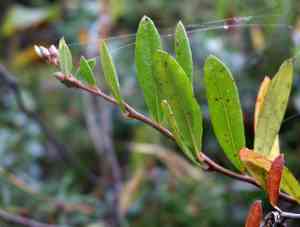
Leather-Leaf transplantation flourishes when executed during the mild period from late spring to early summer, offering moderate warmth. Identify locations with filtered sunlight and damp, acidic earth. Should it be required, applying mulch after transplanting assists in root development.
Essential Preparations Before Relocating Leather-leaf
Optimal Timing for Leather-leaf Relocation?
The best time to move leather-Leaf is from the peak of spring into early summer. This period allows leather-Leaf, a plant that thrives in cooler conditions, to establish itself in its new spot when the ground is warm enough for root development, yet temperatures are not too harsh for its delicate leaves. By choosing this transitional window, you provide leather-Leaf with an opportunity to settle in with the season's emerging vigor, ensuring strong growth and longevity. This timely transplant aligns with nature's cycle of renewal, synchronizing with leather-Leaf's growth rhythm for peak health and beauty.
Recommended Spacing Between Leather-leaf Plants?
When moving your leather-Leaf, ensure each plant is spaced 2-3 feet (approximately 60-90 cm) apart. This spacing provides ample room for healthy development and promotes good air circulation.
Ideal Soil Blend for Leather-leaf Transplanting?
Prepare a rich, well-draining soil base for your leather-Leaf. Incorporating a slow-release, all-purpose fertilizer at planting can supply necessary nutrients. If dealing with dense soil, consider adding organic material.
Where to Position Your Leather-leaf?
Selecting an appropriate site for your leather-Leaf is vital. Aim for a location that receives partial to full sun exposure. Excessive shade may hinder its growth and flowering.
Tools Required Before Transplanting Leather-leaf
Gardening Gloves
To safeguard your hands while handling the plant and soil.
Shovel or Spade
Used for excavating the plant from its current spot and creating a new hole.
Garden Trowel
A smaller implement useful for precise digging and loosening the root ball.
Wheelbarrow or Large Container
For moving the plant from its original location to the new one.
Watering Can or Hose
To hydrate the leather-Leaf plant before and after its relocation.
Organic Compost
To blend with the soil in the new planting hole for enhanced nourishment.
Mulch
To cover the soil surface post-planting. Aids in retaining soil moisture and inhibiting weed growth.
How to Extract Leather-leaf from the Ground?
How to Extract Leather-leaf from the Ground?
From Ground: Begin by thoroughly watering the leather-Leaf plant the day before transplanting to ensure moist soil and hydrated roots. Next, use your shovel or spade to dig a wide circle around the plant. Ensure the circle is deep enough to encompass most of the plant's root system and wide enough to avoid damaging the root ball. Carefully work your spade beneath the root ball, and gently lift the plant, preserving as much of the root system as possible.From Pot: Water the plant well, then tilt the pot sideways and carefully ease the leather-Leaf plant out. Avoid pulling on the stems or leaves; instead, push from the bottom.From Seedling Tray: Ensure the tray is adequately watered. Use the garden trowel to carefully pry the seedlings out, holding them by their leaves, not the stem. Try to keep as much of the original soil with the roots as possible.
Step-by-Step Guide for Relocating Leather-leaf
Preparation
Water the leather-Leaf plant thoroughly before starting the transplant process. This helps minimize root damage and prevents the plant from drying out.
Digging New Hole
Use your spade or shovel to dig a hole in the new location. The hole should be twice as wide and the same depth as the leather-Leaf's root system to allow for easy root spread.
Placing the Plant
Position your leather-Leaf in the center of the hole. The top of the root ball should be level with or slightly above the surrounding soil surface.
Filling the Hole
Backfill the hole with a mixture of garden soil and organic compost, gently firming it around the root ball. Avoid planting too deeply, as this can lead to stem rot.
Watering
Water the plant thoroughly after planting. This helps settle the soil around the roots and reduces transplant shock.
Post-Transplant Care for Leather-leaf
Watering
Water the leather-Leaf plant generously immediately after transplanting, and continue to provide ample moisture for the initial few weeks. The soil should remain damp, but excessive watering can cause root rot.
Observe for Signs
In the days following the transplant, monitor the leather-Leaf plant for indications of stress, such as wilting or yellowing leaves. If observed, consider adjusting watering frequency.
Mulching
Apply a layer of mulch around the plant after transplanting. This will help maintain soil temperature, retain moisture, and suppress weed growth.
Pruning
If the leather-Leaf plant shows significant signs of shock, such as extensive leaf loss, consider light pruning to reduce its water requirements.
Avoid Fertilizing
It's best to wait a few weeks for the leather-Leaf plant to acclimate to its new environment before applying fertilizer.
Addressing Common Issues with Leather-leaf Transplantation.
When is the best time of year to transplant leather-Leaf?
The optimal season for moving leather-Leaf is late summer to early autumn.
What is the ideal spacing between each leather-Leaf when transplanting?
It's best to maintain a distance of 2-3 feet (60-90 cm) between each leather-Leaf to provide sufficient room for growth.
How deep should I plant leather-Leaf when transplanting?
Plant leather-Leaf at the same depth as its previous location. Ensure the top of the root ball is level with the soil surface.
What type of soil should I use when transplanting leather-Leaf?
Leather-Leaf prefers slightly acidic soil with good drainage. If your soil lacks this naturally, amend it with peat moss or compost.
Should I prune leather-Leaf when transplanting?
Pruning is not essential during transplanting. However, removing damaged or diseased parts will promote healthier growth.
How should I care for leather-Leaf after transplanting?
Water the plant thoroughly after transplanting and keep the soil moist, but not waterlogged. Also, avoid exposing freshly transplanted leather-Leaf to direct sun immediately.
Why are the leaves of transplanted leather-Leaf wilting?
Wilting typically indicates root disturbance or shock. Ensure gentle handling of the root ball during transplanting and keep the plant well-watered afterward.
Why does the transplanted leather-Leaf appear to stop growing?
This is common as the plant adjusts to its new surroundings. Continue proper care, and growth should resume in a few weeks.
Will leather-Leaf bloom immediately after being transplanted?
It's normal for leather-Leaf to take some time before re-blooming post-transplant. Providing optimal care during this 'settling' period will encourage flowering.
Can I transplant leather-Leaf when it's actively blooming?
While possible, it's generally recommended to transplant leather-Leaf after its blooming season to avoid undue stress on the plant.



