How to Prune Leather-Leaf?
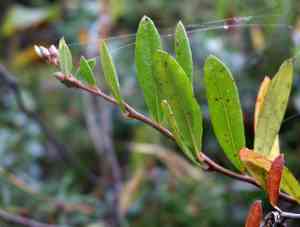
This expansive evergreen shrub, recognized for its clusters of tiny white blossoms and tough, leathery foliage, flourishes in marshy environments. Perform trimming during its inactive period in winter to preserve its form and eliminate any lifeless or compromised limbs. Periodic thinning boosts air circulation and light access, fostering more robust development. Trimming not only enhances the plant's aesthetic but also bolsters its immunity to ailments. Always employ keen, sanitized implements for accurate incisions.
What Are the Benefits of Pruning Leather-leaf?
What Are the Benefits of Pruning Leather-leaf?
Trimming leather-Leaf promotes robust development and helps sustain its desired compact form. Strategic cutting revitalizes the plant, fostering a strong structure and optimal conditions for its growth.
What Is the Best Time for Pruning Leather-leaf?
What Is the Best Time for Pruning Leather-leaf?
Pruning leather-Leaf in late winter, prior to the spring growth period, allows for the removal of any dead or damaged branches without disrupting the plant's natural blooming cycle. At this time, leather-Leaf is still dormant, which minimizes the risk of pruning-related stress and disease transmission. Additionally, with sparse foliage, it's easier to make precise cuts and shape the plant. Late winter pruning prepares leather-Leaf for vigorous spring growth and helps maintain its health and structural integrity.
What Tools Do I Need to Prune Leather-leaf?
Hand Pruners
Perfect for making accurate cuts on leather-Leaf's smaller stems and branches. Hand pruners, or secateurs, ensure clean cuts that help prevent disease and encourage healthy new growth.
Lopping Shears
Suitable for cutting thicker, tougher branches of leather-Leaf that hand pruners might not manage easily. Their long handles provide leverage for easier cutting.
Pruning Saw
Essential for any branches of leather-Leaf that are too large for hand pruners or lopping shears. A pruning saw can handle branches several inches thick without harming the remaining plant.
How to Prune Leather-leaf
Identify
Thoroughly inspect leather-Leaf to locate withered leaves, dead, and diseased branches. Focus on browning or visibly damaged foliage and branches.
Disinfect
Before beginning, sanitize all pruning tools to prevent disease spread. Use a solution of one part bleach to nine parts water or rubbing alcohol.
Remove withered leaves
Using sharp, sterilized pruning shears, carefully remove withered leaves from leather-Leaf at the base of the leaf stem, being careful not to harm healthy foliage.
Prune dead branches
For dead branches, cut where they meet healthy wood. Make a clean cut flush with the branch collar, avoiding stubs that can promote decay.
Eliminate diseased branches
If you find diseased branches on leather-Leaf, prune them back to healthy tissue. Seal the cuts with pruning paint to deter pests and diseases.
Common Pruning Mistakes with Leather-leaf
Over-pruning
Removing too much foliage from leather-Leaf at once can stress the plant, leading to reduced vigor or even plant death.
Improper cut location
Cutting too far from or too close to the remaining bud risks either hindering regrowth or causing dieback and disease.
Using dull tools
Dull pruning tools can damage the stems of leather-Leaf, creating ragged cuts that heal poorly and invite pests or pathogens.
Neglecting sanitation
Failing to clean tools between cuts and plants can spread diseases to leather-Leaf, compromising its health.
Unnecessary pruning
Pruning leather-Leaf without a clear reason such as shaping, removing dead material, or improving air circulation can hinder its natural growth habit.
Common Pruning Tips for Leather-leaf
Sharp clean tools
Use sharp, clean pruning shears to make clean cuts that leather-Leaf can quickly heal over, reducing the risk of disease.
Cut angle
Cutting at a 45-degree angle just above an outward-facing bud encourages healthy regrowth and drainage away from the bud.
Dead damaged material
Prune dead or damaged branches to maintain the health and aesthetic of leather-Leaf, cutting back to living tissue.
Consider plant health
Assess the overall health of leather-Leaf before pruning; weak or stressed plants may not handle pruning well.
Natural shape
While pruning leather-Leaf, follow its natural growth pattern to maintain its characteristic form and maximize flowering.



