How to Propagate Leather-Leaf?
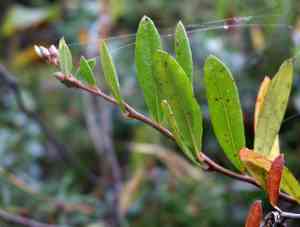
Leather-Leaf, a unique shrub prevalent in marshy environments, flourishes most effectively when reproduced via cuttings. For successful establishment, utilize robust, mature stem sections and embed them in a peat-rich medium to replicate their inherent acidic, damp habitat. Guarantee steady hydration and shield from direct solar exposure initially to aid root formation. By adhering to these specific cultivation guidelines, horticulturists can proficiently grow Leather-Leaf in appropriate wetland garden locations.
Optimal Time for Leather-leaf Propagation
Propagation Method
Cutting
Propagation Period
Spring,Summer
Tools for Leather-leaf Propagation
Sharp pruning shears
Crucial for obtaining healthy cuttings from leather-Leaf. Sharp blades ensure a clean cut, minimizing harm to the parent plant and boosting rooting success by lessening stress and disease risk.
Rooting hormone powder
Aids in stimulating root development on leather-Leaf cuttings. Applying rooting hormone to the cut end before planting increases the likelihood of successful rooting, which is vital for leather-Leaf propagation.
Sterile potting mix
Offers a clean and supportive medium for leather-Leaf cuttings to establish roots. Sterility helps prevent fungal and bacterial diseases that can be harmful during the delicate stages of root formation.
Plant pots with drainage holes
Used for planting leather-Leaf cuttings after hormone treatment. Drainage holes are essential to prevent waterlogging, which can cause root rot and other moisture-related issues in leather-Leaf.'s sensitive roots.
Plastic bags or humidity dome
Creates a moist atmosphere around leather-Leaf cuttings, vital for hydration and encouraging root growth without direct water exposure, which can lead to rot. This tool is particularly beneficial for maintaining optimal humidity levels, crucial for leather-Leaf's propagation success.
How to Propagate Leather-leaf?
Propagation Type
Moderately Difficult
Caring for Your Newly Propagated Leather-leaf
Caring for Your Newly Propagated Leather-leaf
Once leather-Leaf cuttings have rooted, gradually introduce them to drier conditions by progressively opening the plastic cover over a week. After full removal, keep the soil consistently moist and provide bright, indirect light. Avoid direct sun, which can scorch tender leaves. Maintain cool to moderate temperatures and shield from strong winds. As leather-Leaf prefers acidic conditions, periodically check soil pH to ensure suitability. Fertilization is not immediately needed until established in their permanent location.
Common Errors to Avoid When Propagating Leather-leaf
Overwatering
Excessive watering can lead to root rot and fungal infections, which are detrimental to leather-Leaf's health due to its preference for well-drained soil conditions.
Inadequate Light
Placing leather-Leaf in overly shaded areas hinders its ability to photosynthesize effectively, resulting in poor growth and reduced propagation success.
Using unsterilized tools
Unsterilized tools can introduce diseases to leather-Leaf, compromising its growth and overall health.
Tips For Propagating Leather-leaf
Use well-drained acidic soil
Ensuring the soil is acidic and well-drained is crucial, as leather-Leaf thrives in boggy, acidic conditions, and poor drainage can harm the plant.
Maintain specific humidity levels
Leather-Leaf benefits from a consistently humid environment, mimicking its natural bog habitat, which supports its growth and vitality.
Utilize semi-hardwood cuttings
Propagating leather-Leaf through semi-hardwood cuttings during the active growth phase ensures higher success rates as these cuttings tend to root more effectively.



