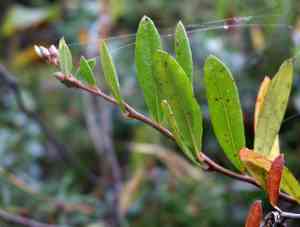
Leather-Leaf (Chamaedaphne calyculata)
Also known as: Verdant
The evergreen shrub you're referring to is Leather-Leaf (Chamaedaphne calyculata). Known for its durable, rugged leaves, this plant is a favorite among florists for adding texture to centerpieces and floral arrangements. Additionally, its leaves can be dried and used to make sun tea by placing them in a jar of cold water and letting the sun brew them naturally.
In This Article
Attributes of Leather-Leaf
Lifespan
Perennial
Plant Type
Shrub
Plant Height
1.5 m
Spread
30 cm to 90 cm
Leaf Color
Green
Flower Size
2.5 cm
Flower Color
White
Images of Leather-Leaf
Quickly Identify Leather-Leaf
1
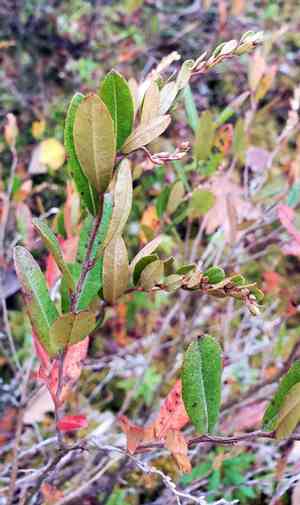
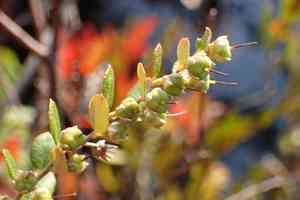
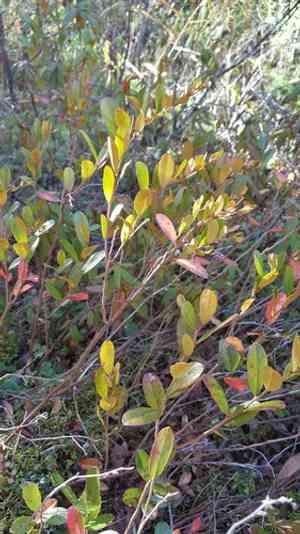
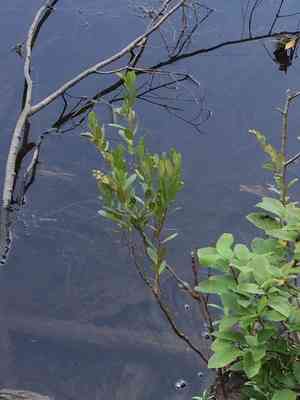
Leatherleaf can be identified by its leathery, evergreen leaves which are dark green on the upper surface and lighter underneath. The leaves are alternately arranged, elliptical in shape, and have a slightly rolled edge. The plant blooms in spring, producing small, white, bell-shaped flowers clustered at the ends of the branches.
Scientific Classification of Leather-Leaf
Phylum
Vascular plants
Class
Dicotyledons
Order
Ericales
Family
Heath
Genus
Chamaedaphne
Species
Leather-Leaf
Planting and Growing of Leather-Leaf
Care Difficulty
Easy
Watering Schedule
Every 2 days
Sunlight Requirements
Partial sun
Sunshine Duration
4-8 hours
Ideal Temperature
60-75℉
Soil Type
Potting Mix, Peat Mix
Soil pH
3.5-5
Fertilizer Type
Balanced
Pruning Season
Spring, Summer
Pruning Area
Branches, Leaves
Pruning Frequency
2 times a year
Repotting Season
Spring
Pot Type
Plastic, Ceramic
 How to Water Leather-Leaf?
For Chamaedaphne calyculata, ensure the soil remains consistently damp but not waterlogged. Ideally, water with about 500 ml each time to maintain proper moisture. The goal is to wet the root zone completely without leaving the soil soggy, which helps the plant absorb nutrients efficiently.
What are the symptoms of an underwatered Leather-Leaf?
›
What should I do if my Leather-Leaf is not getting enough water?
›
What are the symptoms of an overwatered Leather-Leaf?
›
How to save an overwatered Leather-Leaf?
›
 What Are the Sunlight Requirements for Leather-Leaf?
Chamaedaphne calyculata flourishes in partial to full sun, benefiting from roughly four to six hours of light daily. This range aids in maintaining healthy growth, vibrant foliage, and resilience.
More About Sunlight Requirements Techniques→
What is the ideal lighting condition for Chamaedaphne calyculata?
›
How can you provide the ideal sunlight for this plant?
›
What benefits does ideal lighting bring to Chamaedaphne calyculata?
›
 What Is the Ideal Temperature Range for Leather-Leaf?
Chamaedaphne calyculata thrives best within a temperature range of 60 to 75°F. This range ensures optimal growth conditions, allowing the plant's metabolic processes to function efficiently. Maintaining temperatures within this range promotes healthy leaf development and robust flowering. Deviations might not support its native frost-tolerant characteristics, which are crucial for its adaptability in cooler climates.
 What Soil is Best for Leather-Leaf?
Chamaedaphne calyculata thrives in moist, peaty soils that mimic its natural bog habitats. This requirement ensures the plant receives adequate water retention for consistent moisture, a critical element for its growth. This plant prefers highly acidic conditions with a pH ranging from 3.5 to 5.0. Acidic soil helps in nutrient availability and reduces the likelihood of disease, thus promoting healthy growth and development. Although it loves moisture, the soil needs good drainage to prevent waterlogging. Proper drainage is essential to protect the roots from rot and ensure the plant can breathe effectively.
 How to Fertilize Leather-Leaf?
Chamaedaphne calyculata, or Leatherleaf, requires moderate fertilization to thrive. Apply a balanced liquid fertilizer diluted to half strength, 50% of recommended dose, ensuring roots receive necessary nutrients without overstimulation.
 How to Prune Leather-Leaf?
Start by removing any dead, damaged, or diseased branches. For Chamaedaphne calyculata, cut back to healthy wood to encourage new growth. Use sharp, clean pruners to make cuts just above a healthy bud. Trim back leggy growth to maintain compactness, ensuring you do not remove more than one-third of the plant at a time.
More About Pruning Techniques→
 How to Propagate Leather-Leaf plant?
1
Choose healthy, disease-free plant material for propagation. Whether from seeds, cuttings, or divisions, the initial quality of the plant material is fundamental for successful propagation.
2
Use a well-draining soil or propagation medium to ensure excess water can escape, which prevents root rot. Sterilize the soil to avoid any contamination from pathogens.
3
Place the propagated material in an environment with adequate light, humidity, and temperature. This often means using a greenhouse or indoor grow setup with controlled conditions.
 How to Repot Leather-Leaf plant?
1
Chamaedaphne calyculata exhibits signs that indicate it's time for repotting. Look for roots emerging from the drainage holes or a noticeable slowdown in growth, which shows the plant is constrained by its current pot. Additionally, if the soil dries too quickly after watering, the plant might need a more spacious home. These signals suggest that repotting is necessary to allow for healthy growth and development.
2
Choosing the right pot for Chamaedaphne calyculata is crucial for its well-being. Opt for a pot that is just slightly larger—around one to two inches in diameter more than the current pot. This prevents overwatering risks associated with too much soil. Ensure the pot has adequate drainage holes to facilitate easy excess water exit, avoiding root rot and ensuring optimal root aeration.
3
For Chamaedaphne calyculata, the soil choice should focus on acidity and drainage properties. Select an acidic soil mix that includes components like peat moss or pine bark for natural pH levels. This type of soil supports the plant's native environmental needs, improves aeration, and provides the drainage necessary to prevent waterlogged roots, ensuring robust plant health.
Toxicity
Ingestion
WARNING
The judgment on toxicity and danger is for reference only. We DO NOT GUARANTEE any accuracy of such judgment. Therefore, you SHALL NOT rely on such judgment. It is IMPORTANT TO SEEK PROFESSIONAL ADVICE in advance when necessary.



