How to Transplant Arkansas leastdaisy?
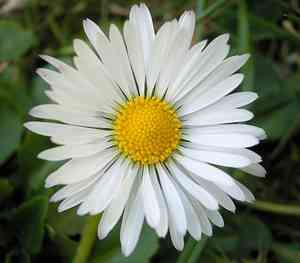
The most favorable time to relocate arkansas leastdaisy is from early spring through mid-spring, as conditions are ideal for fresh development. Choose a bright spot with soil that drains effectively for optimal outcomes. Sufficient distance between plants is crucial for robust growth.
Necessary Preparations Before Moving Arkansas Leastdaisy?
Optimal Period for Relocating Arkansas Leastdaisy?
The best time to move arkansas leastdaisy is from early to mid-spring, when the ground warms and frost risk is low. This timeframe allows arkansas leastdaisy to establish its root system effectively, benefiting from increased sunlight and moderate rainfall. Such timing encourages robust development and boosts the plant's resilience throughout its growing season.
Required Spacing Between Arkansas Leastdaisy Plants?
When transplanting arkansas leastdaisy, ensure each plant is approximately 12 inches (30 cm) apart. This provides ample room for growth and prevents competition for resources.
Ideal Soil Blend for Arkansas Leastdaisy Relocation?
Utilize well-draining soil for arkansas leastdaisy transplantation. A mixture of compost or organic matter with sandy or loamy soil works well. Prepare the base with an all-purpose fertilizer to supply essential nutrients.
Preferred New Location for Your Arkansas Leastdaisy?
Arkansas leastdaisy thrives in sunlight! Select a garden spot that receives full sun for most of the day â about 6-8 hours of direct sunlight is perfect.
Equipment to Prepare Before Transplanting Arkansas Leastdaisy?
Gardening Gloves
To safeguard your hands while handling soil and plants.
Hand Trowel
For excavating small holes and furrows.
Shovel or Spade
For digging larger holes and lifting the plant with its root ball.
Watering Can or Hose
For hydrating the plant before and after relocation.
Organic Mulch
To aid in retaining soil moisture post-transplant.
Garden Fork
For loosening the soil around the plant to facilitate removal.
Stakes or Markers
For indicating the new planting site.
How to Extract Arkansas Leastdaisy from the Ground?
How to Extract Arkansas Leastdaisy from the Ground?
From Ground: First, hydrate the arkansas leastdaisy plant to moisten the soil. Next, dig a wide trench around the plant using a shovel or spade, ensuring the plant's root ball remains intact. Carefully maneuver the spade beneath the root ball to lift the plant from its original spot.From Pot: Water the arkansas leastdaisy plant thoroughly. Gently tap the pot's sides to loosen the soil. Tilt the pot and carefully slide the arkansas leastdaisy plant out, supporting the stem's base.From Seedling Tray: Water the seedlings well before removal. Use a hand trowel or a small garden fork to gently lift each seedling from the tray, holding by the leaves to prevent damage to the delicate stem.
Step-by-Step Guide for Relocating Arkansas Leastdaisy
Plan Ahead
Transplanting is best done in the early morning or late afternoon to avoid intense midday heat, which can stress the plant.
Excavate the New Hole
Prepare the new planting hole. It should be twice as wide and slightly deeper than the root ball of your arkansas leastdaisy plant to allow roots to spread.
Soil Preparation
Loosen the soil at the bottom of the hole and incorporate some compost to help the arkansas leastdaisy plant establish.
Relocating the Plant
Position your arkansas leastdaisy plant into the hole at its original growing depth. Gently backfill with soil, ensuring no air pockets remain.
Watering
Water the arkansas leastdaisy plant thoroughly immediately after transplanting to help the soil settle and eliminate any air pockets.
Post-Transplant Care for Arkansas Leastdaisy?
Watering
Keep the soil around the arkansas leastdaisy consistently moist, but not waterlogged, for the initial weeks after transplanting to aid in strong root establishment.
Mulching
Apply a layer of organic mulch around the base of the arkansas leastdaisy plant to retain moisture and regulate soil temperature.
Monitoring
Regularly inspect the arkansas leastdaisy plant for signs of stress, such as wilting or yellowing leaves, and provide additional support if necessary.
Troubleshooting Common Issues with Arkansas Leastdaisy Transplantation.
When is the best time to transplant arkansas leastdaisy?
Relocate arkansas leastdaisy in early to mid-spring for optimal growth and establishment.
How should I space arkansas leastdaisy when transplanting?
Space arkansas leastdaisy approximately 12 inches (30 cm) apart to ensure proper air circulation and growth.
What type of soil is ideal for transplanting arkansas leastdaisy?
Use well-draining soil enriched with organic matter for the best results when transplanting arkansas leastdaisy.
How much water does arkansas leastdaisy need after transplanting?
Water thoroughly after transplanting, then keep soil consistently moist but not waterlogged.
Should arkansas leastdaisy be fertilized after transplanting?
Apply a balanced, slow-release fertilizer at the time of transplanting for healthy growth.
What is the best way to handle arkansas leastdaisy roots during transplanting?
Handle the roots gently, ensuring they remain intact and minimize damage during the process.
How can I prevent transplant shock in arkansas leastdaisy?
Transplant in the morning or evening, water well, and shade from intense sunlight initially.
What temperature range is ideal for transplanting arkansas leastdaisy?
Transplant arkansas leastdaisy when temperatures are between 60-70°F (15-21°C).
Can I transplant arkansas leastdaisy if itâs already flowering?
It's best to transplant arkansas leastdaisy before it starts flowering to reduce stress.
What should I do if arkansas leastdaisy wilts after transplanting?
Keep the soil moist, reduce direct sunlight exposure, and avoid over-fertilizing to help recovery.



