How to Propagate Arkansas leastdaisy?
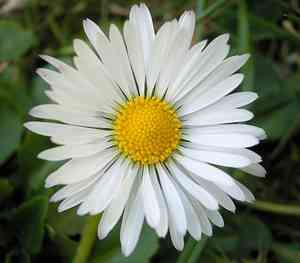
Arkansas leastdaisy can be successfully multiplied by seeding. For the best outcome, utilize a well-draining substrate enriched with compost to boost nutrient content. Seeds require a light covering and consistent moisture throughout their germination period, which fosters initial development. Slowly introducing them to external environments increases their chances of survival upon relocation.
Optimal Period for Propagating Arkansas Leastdaisy?
Propagation Method
Seeding
Propagation Period
Spring
Essential Tools for Arkansas Leastdaisy Propagation?
Seed trays
Seed trays are vital for initiating arkansas leastdaisy seeds indoors, offering a controlled setting crucial for germination. Their compact size allows for efficient space utilization and simplifies monitoring of moisture levels and growth. Features like drainage holes prevent waterlogging, which is key for arkansas leastdaisy's root health.
Potting mix
A premium, well-draining potting mix is fundamental for successful arkansas leastdaisy germination. The mix should be light and airy to allow delicate roots to penetrate easily and prevent rot. The correct potting mix also ensures consistent moisture retention, critical for arkansas leastdaisy during the sensitive stages of seed germination and seedling growth.
Misting bottle
A misting bottle is essential for gently watering arkansas leastdaisy seeds and young seedlings. It delivers a fine spray that moistens the soil without disturbing seeds or causing erosion. Consistent misting helps maintain optimal humidity and moisture, promoting effective germination and healthy initial growth of arkansas leastdaisy.
Grow lights
If propagating arkansas leastdaisy indoors or in low natural light, grow lights are beneficial. They provide the necessary light spectrum for photosynthesis, supporting robust and healthy growth. Adjustable settings allow custom light delivery tailored to arkansas leastdaisy's growth stage, enhancing overall development and vitality.
How to Propagate Arkansas Leastdaisy?
Propagation Difficulty
Simple
Post-Propagation Care for Arkansas Leastdaisy?
Post-Propagation Care for Arkansas Leastdaisy?
After germination, continue caring for arkansas leastdaisy by gradually acclimating young plants to outdoor conditions if started indoors. Plant them in a sunny spot with well-drained soil. Water regularly, especially during dry periods, but avoid overwatering. As arkansas leastdaisy is drought-tolerant, it prefers drier conditions once established. Monitor for pests and diseases, though arkansas leastdaisy typically has no major issues. With minimal care, arkansas leastdaisy should thrive and begin flowering, adding charm with its vibrant blooms.
Common Errors to Avoid When Propagating Arkansas Leastdaisy
Overwatering
Since arkansas leastdaisy is drought-tolerant, excessive watering can lead to root rot and fungal infections, severely impacting plant health and propagation success.
Deep planting
Planting arkansas leastdaisy's seeds or cuttings too deeply can restrict essential air circulation around the base, hindering root establishment and growth.
Neglecting light requirements
Failing to provide sufficient sunlight for arkansas leastdaisy can result in weak, leggy plants with poor flowering potential, reducing the likelihood of successful propagation.
Advice for Propagating Arkansas Leastdaisy
Proper soil preparation
Utilize well-draining soil mixed with sand or gravel to mimic arkansas leastdaisy's natural habitat. This helps prevent waterlogging and supports healthier root development.
Shallow planting
Place seeds or cuttings of arkansas leastdaisy just beneath the soil surface to ensure adequate light exposure and airflow, crucial for successful germination and rooting.
Regular monitoring
Keep an eye on soil moisture levels, aiming for slightly moist but not wet. Overly dry conditions can impede propagation, while also avoiding the pitfalls of overwatering.



