The Arkansas leastdaisy Plant Advantage: Maximizing Home and Office Appeal and Wellness
1
Arkansas leastdaisy is a hardy, easy-to-care-for plant perfect for dry climates.
2
Draws in beneficial insects such as bees and butterflies, boosting ecological diversity.
3
Improves ground health and stops soil loss when incorporated into garden designs.
Why Select Arkansas leastdaisy for Your Outdoor Space?
Beauty and Visual Appeal
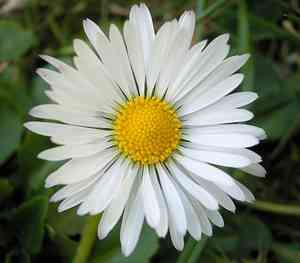
Arkansas leastdaisy features charming, delicate blossoms that bring a touch of natural elegance to any garden. Its flowers appear in white or lavender hues, which can complement various garden designs. Moreover, their radial symmetry and daisy-like form offer a timeless aesthetic that will enhance the visual charm of your outdoor area.
Minimal Upkeep Requirements
A key benefit of Arkansas leastdaisy is its capacity to flourish with little attention. This plant is remarkably drought-tolerant, making it perfect for xeriscaping or regions with water restrictions. Its resilience means you won't need to tend to it often, allowing you to enjoy a lovely garden with less effort. Simply plant it in well-drained soil and let nature take its course.
How Does Arkansas leastdaisy Benefit the Environment?
Attracts Pollinating Insects
Arkansas leastdaisy plays a vital role in supporting local ecosystems by drawing in pollinators like bees and butterflies. These insects are essential for the fertilization of numerous plant species, including food crops. By adding Arkansas leastdaisy to your garden, you can help sustain the health and viability of these pollinator populations.
Improves Soil Quality
Arkansas leastdaisy can also enhance soil quality over time. Its root system aids in preventing soil erosion by stabilizing the ground. Furthermore, as organic matter from the plant breaks down, it can contribute to increased soil fertility and better water retention. These advantages make Arkansas leastdaisy a valuable addition to sustainable gardening practices.
Is Arkansas leastdaisy Simple to Cultivate?
Optimal Growing Conditions
Although Arkansas leastdaisy is highly adaptable, it does have certain preferred growing conditions. It thrives best in full sun but can endure partial shade. Sandy or rocky soil types are ideal for this plant, as they provide the necessary drainage. The plant's robust nature means it can withstand a range of temperatures, making it suitable for various climates.
Propagation and Plant Care
Propagation of Arkansas leastdaisy can be achieved through seeds or division. If you opt to start from seed, sow them in the spring for the best outcomes. Alternatively, you can divide mature plants to generate new growth. Regular removal of spent blooms can encourage extended flowering, ensuring your garden remains vibrant throughout the growing season.
How Can You Utilize Arkansas leastdaisy in Landscaping?
Creating Pollinator Habitats
Arkansas leastdaisy can be a central element in establishing a pollinator-friendly garden. Use it alongside other native plants to create a diverse environment that attracts a variety of pollinators. Its extended blooming period ensures that pollinators have a consistent food source throughout the growing season.
Erosion Control and Groundcover
Thanks to its resilient nature and root system, Arkansas leastdaisy is excellent for preventing erosion. Plant it on slopes or areas prone to soil loss to stabilize the ground. Additionally, its dense foliage can serve as ground cover, helping to suppress weeds and reduce the need for chemical herbicides.
Can Arkansas leastdaisy Be Part of a Sustainable Garden?
Water Conservation
Arkansas leastdaisy's drought-resistant characteristics make it an ideal plant for water-saving gardens. Reducing water usage is critical in regions experiencing drought or water scarcity. By including Arkansas leastdaisy in your garden, you can maintain an attractive landscape while also conserving this precious resource.
Supporting Biodiversity
Incorporating Arkansas leastdaisy into your garden supports biodiversity by providing habitat and food sources for a range of wildlife. This not only benefits pollinators but also other species that depend on them. Creating a biodiverse garden can contribute to the overall health of your local ecosystem.



