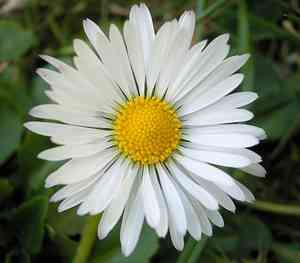
Arkansas leastdaisy (Chaetopappa asteroides)
Also known as: Least Daisy, Plains Fleabane
Chaetopappa asteroides, known as the tiny lazy daisy or Arkansas leastdaisy, is a North American plant species in the sunflower family. Its native range includes the southern Great Plains of the United States, specifically Kansas, Oklahoma, Texas, Louisiana, Missouri, and Arkansas, as well as northeastern Mexico, including Tamaulipas and Hidalgo.
In This Article
Attributes of Arkansas leastdaisy
Lifespan
Annual
Plant Type
Herb
Plant Height
Up to 30 cm (1 foot)
Spread
Approximately 30 cm (1 foot)
Leaf Color
Green
Flower Size
About 2 cm (0.75 inches)
Flower Color
White or pinkish petals with a yellow center
Images of Arkansas leastdaisy
Quickly Identify Arkansas leastdaisy
1
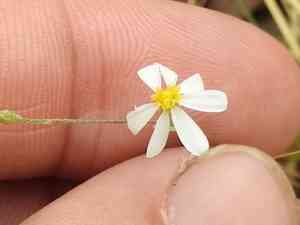
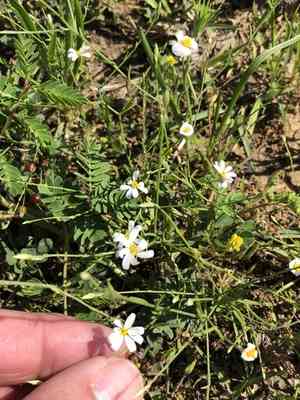
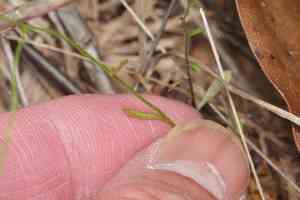
This plant can be identified by its small size, daisy-like flowers with white to pinkish petals, and yellow center. The leaves are narrow and somewhat hairy.
Scientific Classification of Arkansas leastdaisy
Phylum
Vascular plants
Class
Dicotyledons
Order
Asterales
Family
Daisy
Genus
Leastdaisies
Species
Arkansas leastdaisy
Planting and Growing of Arkansas leastdaisy
Care Difficulty
Easy
Watering Schedule
Every 4 days
Sunlight Requirements
Full sun
Sunshine Duration
6-12 hours
Ideal Temperature
65-75℉
Soil Type
Potting Mix, Peat Mix
Soil pH
6.5-7.5
Fertilizer Type
Balanced
Pruning Season
Spring, Summer
Pruning Area
Branches, Leaves
Pruning Frequency
2 times a year
Repotting Season
Spring
Pot Type
Terracotta, Plastic
 How to Water Arkansas leastdaisy?
For Chaetopappa asteroides, watering follows the 'soak and dry' principle. This means you should water the plant thoroughly until water starts to drain from the bottom of the pot, ensuring that the soil is evenly moist but not soggy.
What are the symptoms of an underwatered Arkansas leastdaisy?
›
What should I do if my Arkansas leastdaisy is not getting enough water?
›
What are the symptoms of an overwatered Arkansas leastdaisy?
›
How to save an overwatered Arkansas leastdaisy?
›
 What Are the Sunlight Requirements for Arkansas leastdaisy?
Chaetopappa asteroides flourishes under full sun to partial sun conditions, ideally receiving six to eight hours of light. Adequate sunlight promotes healthy foliage and abundant flowering.
What type of sunlight is best for Chaetopappa asteroides?
›
How can I ensure Chaetopappa asteroides gets ideal lighting?
›
What benefits does optimal lighting bring to Chaetopappa asteroides?
›
 What Is the Ideal Temperature Range for Arkansas leastdaisy?
The ideal temperature range for growing Chaetopappa asteroides is between 65°F and 75°F. This range ensures optimal photosynthesis and metabolic activities, promoting healthy growth and blooming. Staying within these temperatures helps balance moisture and nutrient uptake, avoiding stress due to temperature extremes.
 What Soil is Best for Arkansas leastdaisy?
Chaetopappa asteroides thrives in well-drained soil, as it prevents waterlogging that could harm the roots. This condition helps the roots to receive adequate oxygen and prevents root rot, ensuring healthy plant growth. While not overly demanding, this plant benefits from a moderately nutrient-rich substrate, which supports vigorous growth and boosts flowering. A balanced blend of nutrients ensures that the plant remains healthy and resilient. The plant prefers soils with minimal compaction, which facilitates root expansion and water infiltration. This condition ultimately contributes to a stronger, more robust root system and enhances the plant's overall vitality.
 How to Fertilize Arkansas leastdaisy?
For Chaetopappa asteroides, it’s essential to use a balanced, diluted fertilizer solution and apply approximately half of the recommended dose stated on the fertilizer package. Always ensure the fertilizer is well-dissolved before application to avoid fertilizer burn.
 How to Prune Arkansas leastdaisy?
Begin by sterilizing your pruning shears to prevent disease transfer. Target any dead or wilted stems first, cutting them back to their base. Shape the plant by removing any errant growth that disturbs its natural silhouette. Maintain a balanced appearance by evenly trimming each section of the plant.
More About Pruning Techniques→
 How to Propagate Arkansas leastdaisy plant?
1
Collect seeds from mature Chaetopappa asteroides flowers and allow them to dry for a few days. Ensure they are free from any debris before storing them in a dry, cool place until you're ready to plant.
2
Sow the seeds in a prepared seed tray filled with a suitable growing medium. Cover them lightly with soil and water gently to keep the medium moist but not waterlogged.
3
Select a healthy branch and use pruning shears to cut a 4-6 inch piece. Remove the lower leaves and dip the cut end in rooting hormone to encourage root development.
 How to Repot Arkansas leastdaisy plant?
1
Chaetopappa asteroides signals the need for repotting when you notice roots emerging from the drainage holes or when its growth becomes sluggish despite proper care. Ideally, repotting should be done during the active growth phase in the spring or summer seasons when the plant can recover rapidly.
2
Select a pot just slightly larger than the current one, ensuring it has adequate drainage holes. Using a pot too large can lead to water retention, which is detrimental to the plant’s roots. The right pot should support steady growth without overwhelming the plant with excess soil.
3
Opt for well-draining, sandy soil to mimic Chaetopappa asteroides' natural habitat. The right soil should allow for proper root aeration and prevent waterlogging, reducing the risk of root rot while providing essential nutrients for plant health.



