How to Transplant Spurred butterfly pea?
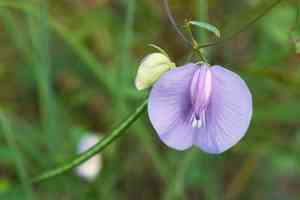
For best results, relocate spurred butterfly pea during the peak of mid-to-late spring, which facilitates robust root development. Choose a location bathed in sunlight with soil that drains effectivelyâhandle with care to encourage flourishing growth.
Essential Preparations Before Relocating Spurred Butterfly Pea
Optimal Period for Relocating Spurred Butterfly Pea?
The prime time for moving spurred butterfly pea is from mid-spring to the onset of late spring. This period aligns with spurred butterfly pea's growth cycle, ensuring root establishment in warming ground before the peak of summer. Transplanting during this season leverages the natural growth surge, fostering robust root development and minimizing shock. Utilize this transplanting window to maximize spurred butterfly pea's potential for thriving!
Recommended Spacing Between Spurred Butterfly Pea Plants?
Initially, you'll want to guarantee sufficient room for your spurred butterfly pea to expand. Aim for a transplanting distance of approximately 2-3 feet (60-90 cm). This provides the plant ample space to mature and fill out its garden area.
Ideal Soil Blend for Spurred Butterfly Pea Relocation?
Next, consider the soil. Spurred butterfly pea thrives in well-draining, sandy or loamy soil. Enhance your garden soil by incorporating organic compost or aged manure. This not only enriches the soil but also aids in moisture retention. A foundational fertilizer rich in phosphorus will also be beneficial.
Where to Position Your Spurred Butterfly Pea?
Finally, the perfect spot. Your spurred butterfly pea craves sunlight, so endeavor to place it in an area that receives at least 6-8 hours of direct sun. Remember, your plant's vitality and bloom production are directly tied to sun exposure. Enjoy your gardening journey!
Tools Required Before Transplanting Spurred Butterfly Pea?
Gardening Gloves
To shield your hands from soil and potential harm during the relocation process.
Shovel/Spade
To assist in extracting the plant from its original spot.
Garden Trowel
For excavating the new hole where spurred butterfly pea will be replanted.
Watering Can/Hose
To hydrate the plant both prior to and following its relocation.
Garden Scissors
For potential trimming of the plant before its transfer
How to Extract Spurred Butterfly Pea from the Soil?
How to Extract Spurred Butterfly Pea from the Soil?
From Ground: Gently moisten the spurred butterfly pea to make the soil more pliable, then dig around the plant, taking care to keep the root ball intact. Using the spade, work beneath the root ball to lift the plant.From Pot: Lightly water the plant. Turn the pot on its side, grasp the spurred butterfly pea near its base, and carefully pull the plant out. If there's resistance, tap the pot's sides to loosen the soil.From Seedling Tray: Water the tray first to moisten the soil. Remember, roots are more delicate when the plant is young. Gently hold the spurred butterfly pea near the stem's base and lift it from its cell.
Step-by-Step Guide for Relocating Spurred Butterfly Pea
Preparation
Ensure the new site where you intend to plant the spurred butterfly pea is ready. The hole should be dug to a depth equivalent to the root ball and twice its width.
Careful Handling
Gently transport the spurred butterfly pea to its new location, ensuring minimal disturbance to the roots.
Planting
Position the spurred butterfly pea in the hole, making sure it's planted at the same depth as it was previously. The top of the root ball should be level with the surrounding soil.
Securing
Backfill the hole with soil, pressing gently around the plant to ensure it's stable.
Watering
Water the spurred butterfly pea generously immediately after transplanting.
Post-Transplant Care for Spurred Butterfly Pea
Watering
Keep the soil consistently moist but avoid waterlogging to encourage strong root development. Reduce watering as the plant begins to produce new foliage.
Trimming
If spurred butterfly pea exhibits signs of stress, such as yellowing or wilting leaves, it may be beneficial to prune the plant to lessen its demand for water and nutrients while it establishes new roots.
Monitoring
Observe for indications of transplant shock, like drooping leaves or stunted growth, and seek guidance if these symptoms persist.
Resolving Common Issues with Spurred Butterfly Pea Transplantation.
What is the best season to move spurred butterfly pea?
The ideal season to relocate spurred butterfly pea is during the transition from spring to summer, precisely when temperatures are on the rise.
How much space should I allow between spurred butterfly pea during relocation?
The optimal spacing between spurred butterfly pea is 2-3 feet (0.6 - 0.9 meters), ensuring each plant has ample room to grow and spread.
Is soil preparation necessary before transplanting spurred butterfly pea?
Absolutely! Enrich your soil with organic matter for improved growth. Spurred butterfly pea prefers well-drained, fertile soil. Healthier soil leads to stronger plants!
How can I promote optimal root development for transplanted spurred butterfly pea?
Trim any damaged or excessively long roots before transplanting, then water consistently. This encourages healthy, robust root development.
What depth should I plant spurred butterfly pea during relocation?
When transplanting spurred butterfly pea, the plant should be level with the ground. The root-ball should be fully covered with soil, but avoid burying the stem.
What is the ideal daytime temperature for transplanting spurred butterfly pea?
Spurred butterfly pea prefers temperatures between 60°F to 85°F (15°C - 30°C). Transplant when the temperature is within this range for a high success rate.
How much should I water spurred butterfly pea after relocation?
Water spurred butterfly pea thoroughly immediately after planting, then continue to water regularly. These plants enjoy moisture, but ensure the soil isnât waterlogged to prevent root rot.
Should I fertilize spurred butterfly pea during the transplantation process?
Spurred butterfly pea will benefit from some organic fertilizer right after transplantation. Spring is ideal because it's the start of the growing cycle, and nutrients are utilized more efficiently.
Why are the leaves of my newly transplanted spurred butterfly pea turning yellow or wilting?
Yellowing or wilting may indicate transplant stress or excessive watering. Ensure your plant has good drainage and receives adequate sunlight while avoiding harsh conditions.
How do I safeguard my transplanted spurred butterfly pea from pests or diseases?
Ensure good air circulation around spurred butterfly pea to minimize disease risk. Regularly check for pests, remove them manually, or use gentle organic pesticides. Healthy plants are more resilient to pests.



