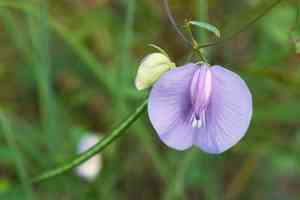
Spurred butterfly pea (Centrosema virginianum)
Also known as: Wild pea, Wild blue vine
The spurred butterfly pea (Centrosema virginianum) is commonly found in the southeastern United States, including states like Florida, Georgia, Alabama, and South Carolina. It has also been noted as invasive in parts of the Midwest, such as Illinois. The plant is an important food source for the larvae of butterflies like the Long-tailed Skipper (Urbanus proteus) and the Northern Cloudywing Skipper (Thorybes pylades).
In This Article
Attributes of Spurred butterfly pea
Lifespan
Perennial
Plant Type
Herb
Plant Height
2 m
Spread
N/A
Leaf Color
Green
Flower Size
2.5 cm to 5 cm
Flower Color
Purple Lavender White
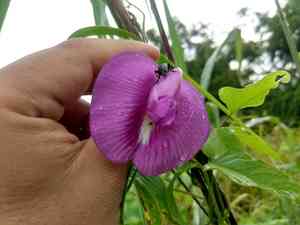
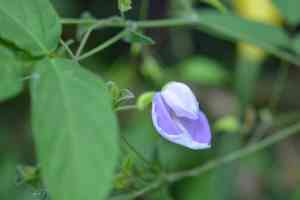
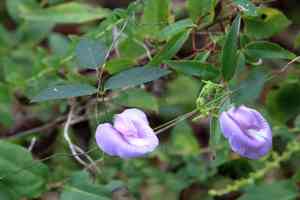
Images of Spurred butterfly pea
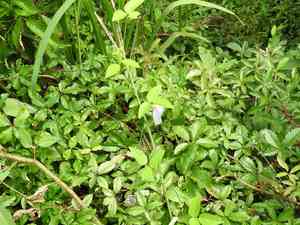
Quickly Identify Spurred butterfly pea
1
Vibrant purple flowers with white central spot, distinctive scooped shape, and subtle fragrance.
2
Compound leaves with three oval to lance-shaped leaflets, reticulate vein pattern, and rich green color.
3
Flat legume fruit maturing to shades of brown, 2-3 inches (5-7.6 cm) in length with visible seams.
4
Delicate, thin, and flexible green stem reaching up to 6 feet (1.8 meters) in length.
5
Herbaceous vine with trifoliate leaves, robust root system, and striking purplish-blue flowers on slender stalks.
Scientific Classification of Spurred butterfly pea
Phylum
Vascular plants
Class
Dicotyledons
Order
Fabales
Family
Legume
Genus
butterfly peas
Species
Spurred butterfly pea
Planting and Growing of Spurred butterfly pea
Care Difficulty
Easy
Watering Schedule
Every 5 days
Sunlight Requirements
Full sun
Sunshine Duration
6-10 hours
Ideal Temperature
65-85℉
Soil Type
Potting Mix, Peat Mix
Soil pH
6-8
Fertilizer Type
Balanced
Pruning Season
Spring, Summer
Pruning Area
Branches, Leaves
Pruning Frequency
2 times a year
Repotting Season
Spring
Pot Type
Plastic, Ceramic
 How to Water Spurred butterfly pea?
Water Centrosema virginianum with about 250 milliliters per session. Ensure the soil is thoroughly moistened, reaching the root zone without leaving standing water in the pot. This balance prevents waterlogging while adequately hydrating the plant.
What are the symptoms of an underwatered Spurred butterfly pea?
›
What should I do if my Spurred butterfly pea is not getting enough water?
›
What are the symptoms of an overwatered Spurred butterfly pea?
›
How to save an overwatered Spurred butterfly pea?
›
 What Are the Sunlight Requirements for Spurred butterfly pea?
Centrosema virginianum thrives best with 6-8 hours of sunlight. Ideal light promotes robust growth, bright flowers, and helps in preventing diseases associated with inadequate sunlight.
More About Sunlight Requirements Techniques→
Optimal Sun Exposure
›
Partial Shade Solution
›
Ideal Results
›
 What Is the Ideal Temperature Range for Spurred butterfly pea?
Centrosema virginianum, also known as the Spurred Butterfly Pea, thrives in a warm climate. Ideally, it flourishes when temperatures range from 65°F to 85°F. This range provides the necessary warmth for optimal photosynthesis and growth, ensuring the plant's health and flowering potential.
 What Soil is Best for Spurred butterfly pea?
Centrosema virginianum thrives in well-drained soils, preventing root rot. Such soil facilitates proper air and water movement, promoting robust root expansion and ensuring that the plant acquires necessary nutrients. This plant does not require highly fertile soil, which helps to minimize maintenance and fertilization efforts. A moderately fertile soil offers adequate nutrients without overwhelming the plant. While it prefers well-drained soil, it also benefits from soils with good moisture retention, ensuring consistent moisture availability, crucial for lush foliage and vibrant blooms during dry spells.
 How to Fertilize Spurred butterfly pea?
For Centrosema virginianum, applying 1/2 to 1 teaspoon of balanced liquid fertilizer per gallon of water is advisable. When using granular fertilizers, a handful around the base will suffice. Always ensure an even distribution and avoid direct contact with the plant's stem or leaves, which can cause burn.
 How to Prune Spurred butterfly pea?
Start by removing any dead or damaged stems, which can divert energy away from healthy growth. Trim back any excessively long or unwieldy shoots to keep the plant compact. Make cuts just above a leaf node to encourage new growth. Centrosema virginianum can grow quite large, so gently shaping it can maintain its beauty and manageability. Focus on creating an even, bushy shape by trimming through the entire plant and not just the topmost growth.
More About Pruning Techniques→
 How to Propagate Spurred butterfly pea plant?
1
Collect seeds from mature Centrosema virginianum plants at the end of the growing season. Ensure the seed pods are fully dried on the plant before harvesting to ensure viability.
2
Fill a seed tray with potting soil and sow the seeds on the surface. Cover them lightly with a thin layer of soil and water gently to keep the soil moist but not waterlogged.
3
Once the seedlings have developed a few sets of true leaves, they can be transplanted to larger pots or directly into the garden. Ensure that the garden or pots receive ample sunlight and have good drainage.
 How to Repot Spurred butterfly pea plant?
1
Centrosema virginianum needs repotting when you see roots protruding from the drainage holes or when the growth is noticeably sluggish. These signs indicate that the plant is likely becoming root-bound, which hinders its growth and nutrient uptake. Spring and summer are optimal for repotting this plant as it's in active growth, increasing the chance of quick recovery.
2
Opt for a pot that's one size larger than the current one, ideally made from a porous material like clay to help excess moisture evaporate. This prevents waterlogging, which can cause root rot. Additionally, ensure the pot has ample drainage holes to allow excess water to flow out, maintaining healthy root conditions.
3
Select a well-draining potting mix that's enriched with organic matter, such as compost. This ensures proper aeration and nutrition, preventing the soil from retaining too much moisture and supporting healthy growth. A mix with perlite or sand can improve drainage significantly.



