How to Prune Spurred butterfly pea?
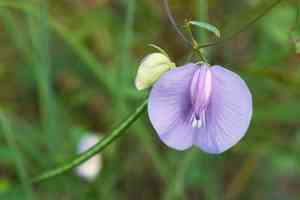
A vining perennial featuring vivid blossoms, spurred butterfly pea flourishes with periodic trimming to foster denser development and preserve its form. Perform pruning in the spring or summer, following the flowering period, to avoid severing nascent flower buds. Shorten elongated stalks and eliminate deceased or compromised sections to improve air movement and the plant's well-being. Trimming encourages fresh development, potentially resulting in a more abundant floral exhibition in the subsequent season. Always employ sanitized, keen implements for accurate incisions.
What Are the Benefits of Pruning Spurred Butterfly Pea?
What Are the Benefits of Pruning Spurred Butterfly Pea?
Trimming spurred butterfly pea promotes robust development and helps maintain its desired form. Proper cutting stimulates new shoots, leading to a denser, more appealing plant that thrives with renewed vigor.
What Is the Best Time for Pruning Spurred Butterfly Pea?
What Is the Best Time for Pruning Spurred Butterfly Pea?
Pruning spurred butterfly pea in late spring aligns with the post-frost period when the plant exits dormancy and begins new growth cycles, ensuring strong recovery and bloom. Early summer pruning coincides with initial growth phases, allowing gardeners to shape spurred butterfly pea, manage its size, and remove any winter damage, without negatively affecting later flowering potential. These seasons help maintain the plant's health and vitality, offering an opportunity for proactive care without disrupting spurred butterfly pea's natural blooming cycle.
What Tools Do I Need to Prune Spurred Butterfly Pea?
Bypass Hand Pruners
For cleanly severing the green, living stems of spurred butterfly pea, bypass pruners are most appropriate. Their scissor-like action enables precise cuts without crushing the plant's delicate tissues.
Pruning Shears
These are perfect for snipping off dead or overgrown foliage on spurred butterfly pea. Their smaller size and sharp blades make them ideal for detailed work on this specific plant species.
Gardening Gloves
Wearing gloves is crucial to protect hands from thorns or rough stems when handling spurred butterfly pea.
Loppers
If spurred butterfly pea has grown to have thicker branches, loppers can be utilized. These provide the necessary leverage for cutting branches too thick for hand pruners.
Garden Snips
These are suitable for deadheading or removing faded blooms on spurred butterfly pea, encouraging better growth and flower production.
How to Prune Spurred Butterfly Pea
Sterilize
Before pruning spurred butterfly pea, disinfect your cutting tools with rubbing alcohol or a bleach solution to prevent disease spread.
Diseased Leaves
Carefully locate and remove any diseased leaves from spurred butterfly pea by cutting them at the base of the leaf stem, ensuring you do not tear or harm nearby healthy foliage.
Withered Leaves
Trim off withered leaves to encourage healthy growth and improve air circulation around spurred butterfly pea. Make cuts close to the main stem, being careful not to damage new buds or leaves.
Diseased Stems
Identify diseased stems on spurred butterfly pea by looking for discoloration or unusual marks. Prune these stems back to healthy tissue, cutting at a 45-degree angle to encourage water runoff and prevent rot.
Cleanup
After pruning spurred butterfly pea, gather and dispose of all trimmed parts away from the garden area to reduce the risk of disease spread. Clean your tools again
Common Pruning Mistakes with Spurred Butterfly Pea
Over pruning
Removing too much foliage or too many stems at once can stress spurred butterfly pea, hindering its growth and flowering potential. This can also leave the plant vulnerable to diseases and pests.
Improper cutting technique
Making blunt or ragged cuts can damage spurred butterfly pea's stems, leading to inefficient healing and increased susceptibility to infection. It is important to use clean, sharp pruning tools.
Pruning active growth
Cutting back spurred butterfly pea during periods of active growth can remove flower buds and impact the overall flowering display.
Ignoring health issues
Failing to remove diseased or dead material during pruning can allow problems to persist or spread throughout spurred butterfly pea, compromising its health and vigor.
Common Pruning Tips for Spurred Butterfly Pea
Selective pruning
Carefully select and prune only the stems that are overgrown, dead, damaged, or diseased. This will help maintain spurred butterfly pea's shape and promote healthier, fuller growth.
Clean tools
Use sterilized and sharp pruning shears to make clean cuts, which will help prevent infections and promote faster healing for spurred butterfly pea.
Encouraging bushiness
Pinching back the tips of young spurred butterfly pea plants can encourage a bushier growth habit and more flowers.
Post-flowering trimming
Deadheading, or removing spent flowers promptly, can prevent spurred butterfly pea from putting energy into seed production, thus promoting further flowering.



