How to Propagate Spurred butterfly pea?
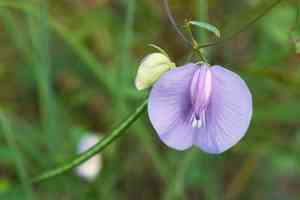
Clitoria mariana flourishes when reproduced via a particular technique like seeding. It is crucial to verify the freshness of the seeds to improve their sprouting success. Preparing the seeds by scarifying them or steeping them in water overnight can significantly aid the germination process. Best germination results are achieved when they are planted in soil that drains effectively, in an environment that sustains dampness without becoming saturated. Shielding them from harsh weather after planting boosts the chances of successful rooting and vigorous development.
Optimal Period for Spurred Butterfly Pea Propagation
Propagation Type
Sowing
Propagation Season
Spring
Tools for Spurred Butterfly Pea Propagation
Seed trays
Seed trays are vital for the initial phase of planting spurred butterfly pea seeds. They enable an organized arrangement of multiple seeds, promoting efficient space utilization and consistent growth conditions. This setup aids in better management of the seedling's environment, ensuring uniform moisture and light levels. Seed trays also simplify the relocation of young seedlings without disturbing their delicate roots.
Potting mix
A premium potting mix offers the necessary nutrients and proper drainage crucial for spurred butterfly pea's seed germination and initial development. The mix should be light for easy root penetration yet sufficiently moisture-retentive to lessen watering frequency. Potting mix specifically formulated for seed starting is often sterilized to minimize the risk of soil-borne diseases affecting young seedlings.
Misting bottle
A misting bottle is essential for gently irrigating spurred butterfly pea seeds and young seedlings. Aggressive watering methods can dislodge seeds or harm fragile seedlings. The fine spray from a misting bottle ensures humidity around the plant is maintained without over-saturating the soil, which could lead to fungal infections or seed rot.
Grow lights (optional)
If propagating spurred butterfly pea indoors or in areas with insufficient natural light, grow lights can supply the necessary spectrum and intensity of light to support healthy seedling growth and development. Proper illumination is integral for plant pigment synthesis and overall energy production through photosynthesis, directly influencing seedling vigor and health.
Labels and markers
Labels and markers are practical instruments for identifying and organizing various planting batches of spurred butterfly pea. They assist in tracking growth progress and specific needs of different seedling groups, especially when conducting trials of various sowing techniques or timings.
How to Propagate Spurred Butterfly Pea?
Propagation Type
Easy
Caring for Your Newly Propagated Spurred Butterfly Pea
Caring for Your Newly Propagated Spurred Butterfly Pea?
Post-propagation, ensure spurred butterfly pea is situated in a spot receiving full sun to partial shade. Consistent watering is vital, particularly during dry periods, but avoid excessive watering to prevent root rot. Fertilize with a balanced, slow-release fertilizer every 4-6 weeks during the active growth season. Monitor for pests and diseases, managing them promptly. Support climbing varieties with a trellis or other structure to encourage vertical growth and optimal flowering. Regular pruning will help maintain shape and encourage bushier, denser growth.
Common Mistakes to Avoid When Propagating Spurred Butterfly Pea
Overwatering
Excessive moisture can lead to root rot and fungal diseases in spurred butterfly pea, compromising its health and reducing the chances of successful propagation.
Using too dense soil
Compact or poorly draining soil can cause water to accumulate around the root zone of spurred butterfly pea, which might impede root growth and also facilitate root rot.
Ignoring pre-treatment of seeds
Spurred butterfly pea seeds often require specific pre-treatment like scarification for effective germination. Overlooking this step can significantly reduce germination rates.
Tips For Propagating Spurred Butterfly Pea
Appropriate soil mix
Utilizing a light, well-draining soil mix aids in promoting root health and preventing waterlogging, which is crucial for the successful growth of spurred butterfly pea.
Seed scarification
Scarifying spurred butterfly pea seeds by gently nicking the seed coats or using sandpaper helps in breaking dormancy and promotes uniform germination.
Moderate watering
Maintaining a balance in watering, ensuring the soil is moist but not saturated, is key to the successful propagation of spurred butterfly pea. Excess moisture should be avoided to prevent root diseases.



