How to Transplant Common tarweed?
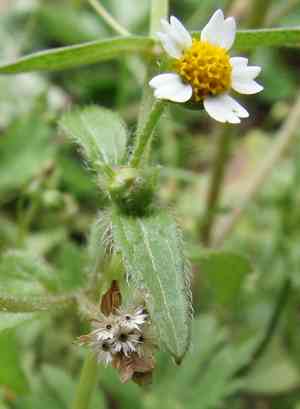
Common tarweed flourishes when relocated during the pleasant interval from early spring's onset to its mid-flowering stage, facilitating prime root development. It favors sun-drenched locations with soil that drains effectively, although moving this low-maintenance annual is seldom necessary.
What Preparations are Needed Before Transplanting Common Tarweed?
What is the Ideal Time for Transplanting Common Tarweed?
The best season for relocating common tarweed is from early to mid-spring. During this period, the ground is easier to work with, and moderate temperatures minimize transplant shock. Moving common tarweed at this time ensures better root establishment and vigorous growth in subsequent seasons.
How Much Space Should You Leave Between Common Tarweed Plants?
For successful common tarweed transplanting, aim to position them 12-18 inches (30-45 cm) apart. This spacing provides each plant with sufficient room to develop and flourish while maintaining good air circulation, which helps prevent disease.
What is the Best Soil Mix for Common Tarweed Transplanting?
Prepare the soil for common tarweed by ensuring it drains well and is sandy or loamy. Incorporate a balanced base fertilizer, such as a 10-10-10 (N-P-K) formula, to supply essential nutrients. This will give your plants an excellent start in their new spot.
Where Should You Relocate Your Common Tarweed?
Select a sunny location for transplanting common tarweed, as they flourish in full sunlight. Ensure the site receives at least 6-8 hours of direct sun daily. This will support healthy development and abundant flowering.
What Equipments Should You Prepare Before Transplantation Common Tarweed?
Gardening Gloves
To safeguard your hands while handling soil and plants.
Shovel or Spade
For excavating the plant and its root mass from the ground.
Trowel
Useful for shifting soil and planting in the ground.
Watering Can or Hose
To hydrate the plant before and after relocation.
Pruners or Scissors
To trim any damaged roots or foliage.
Wheelbarrow or Bucket
For transporting the plant if necessary.
Mulch
To help retain moisture in the soil around the newly planted specimen.
How Do You Remove Common Tarweed from the Soil?
How Do You Remove Common Tarweed from the Soil?
From Ground: First, water the common tarweed plant to moisten the soil. Then, dig a wide trench around the plant using a shovel or spade, ensuring the plant's root ball remains intact. Carefully work the spade under the root ball to lift the plant from its original location.From Pot: Water the common tarweed plant thoroughly the day before you plan to transplant it. Gently turn the pot on its side and tap the bottom to loosen the root ball. Carefully slide the plant out, using a trowel to assist if necessary.From Seedling Tray: Water the seedlings a few hours before transplanting. Use a trowel or spoon to gently lift the seedlings from the tray, ensuring you lift as much of the root system as possible.
Step-by-Step Guide for Transplanting Common Tarweed
Prepare the New Location
Dig a hole in the new spot that is twice as wide and the same depth as the common tarweed plant's root ball.
Check the Roots
Examine the roots, trim any damaged ones with pruners or scissors, and gently untangle any that are circling the root ball.
Transplant
Place the common tarweed plant into the prepared hole, ensuring it sits at the same depth as it was in its previous location. Fill in around the root ball with soil, gently pressing down to remove air pockets.
Water Thoroughly
Immediately water the common tarweed plant deeply after transplanting to help settle the soil around the roots.
Apply Mulch
Add a layer of mulch around the base of the plant to help retain moisture and suppress weeds.
How Do You Care For Common Tarweed After Transplanting?
Watering
Keep the soil around the common tarweed consistently moist, but not waterlogged, for the first few weeks after transplanting to help establish strong roots.
Monitoring
Watch for any signs of stress, such as wilting or yellowing leaves, and address them promptly by adjusting water or providing temporary shade as needed.
Pruning
Remove any damaged or dead foliage to encourage healthy new growth.
Fertilizing
Wait to fertilize until the common tarweed plant shows new growth, then use a balanced fertilizer according to the manufacturer's instructions.
Troubleshooting Common Issues with Common Tarweed Transplantation.
When is the best time to transplant common tarweed?
Early to mid-spring is ideal for transplanting common tarweed, when the weather is mild.
How far apart should I space common tarweed when transplanting?
Space common tarweed plants 12-18 inches (30-45 cm) apart to allow for proper growth.
What type of soil is best for common tarweed?
Common tarweed prefers well-draining soil with a slightly acidic to neutral pH level.
Should I water common tarweed immediately after transplanting?
Yes, water common tarweed thoroughly right after transplanting to help the roots settle.
How can I protect common tarweed from transplant shock?
Acclimate common tarweed to the new location gradually and avoid transplanting on hot days.
What is the ideal transplant depth for common tarweed?
Transplant common tarweed at the same depth it was growing previously to prevent stress.
Can I use fertilizer immediately after transplanting common tarweed?
Wait a few weeks before fertilizing common tarweed to avoid root burn.
How long does common tarweed take to establish after transplanting?
Common tarweed typically takes a couple of weeks to establish in its new location.
How much sunlight does common tarweed need post-transplant?
Common tarweed thrives in full sunlight, requiring at least 6 hours daily.
What do I do if common tarweed wilts after transplanting?
Ensure common tarweed gets adequate water and is not exposed to extreme heat or wind.



