How to Propagate Common tarweed?
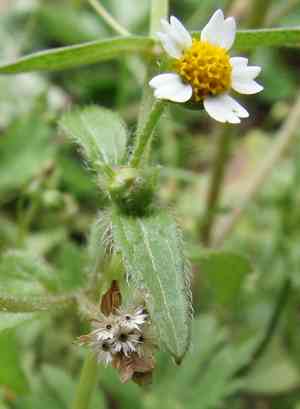
Common tarweed typically reproduces mainly by seeding. For optimal development, select a soil that drains well and is abundant in organic matter to improve sprouting. Disperse the seeds on the surface since they need light for successful germination. Keep the soil consistently moist, but prevent saturation, which can hinder growth. Careful handling is essential because the seeds are fragile. Adhering to these requirements will effectively encourage the plant's progression from seed to young plant.
Optimal Time for Common Tarweed Propagation
Propagation Method
Seeding
Propagation Period
Spring
Tools for Common Tarweed Propagation
Seeds trays
Shallow containers for starting seedlings indoors or in controlled settings. They promote uniform growth and simplify managing multiple seedlings. Ideal for common tarweed, allowing proper seed spacing, good airflow, and reduced fungal disease risk.
Fine-textured potting mix
A light, nutrient-rich medium that supports better root development and moisture retention. Common tarweed seeds require a loose, well-draining substrate for effective germination, which this mix provides, boosting germination rates.
Misting bottle
Used for gentle watering of seeds without dislodging them. Frequent misting keeps the soil consistently damp, vital for common tarweed seed germination without the risk of overwatering.
Heat mat
Maintains a steady soil temperature, crucial for seed germination. Common tarweed benefits from slightly warmer soil to encourage quicker and more dependable seed sprouting.
Grow lights
Supply necessary light spectrum to seedlings when natural light is insufficient. This ensures common tarweed seedlings receive adequate illumination for proper development, especially critical during early stages.
How to Propagate Common Tarweed?
Propagation Type
Simple
Caring for Newly Propagated Common Tarweed
Caring for Newly Propagated Common Tarweed
Common tarweed thrives with minimal post-propagation care but needs some attention. Maintain moderate watering, especially during extended dry spells. Common tarweed is adapted to nutrient-poor soils, so avoid excessive fertilization, which can hinder its growth and abundant flowering. Lastly, regularly check for pests and diseases to keep the plant healthy.
Common Mistakes to Avoid When Propagating Common Tarweed
Overwatering
Excessive watering of common tarweed during propagation can lead to root rot and fungal issues, as it prefers drier conditions. Too much moisture impedes proper root development and diminishes the plant's overall health and survival.
Deep planting
Planting common tarweed seeds too deep can prevent germination due to insufficient light and air exposure. This depth error may significantly delay or inhibit seedling emergence.
Ignoring soil type
Using an unsuitable soil type, such as heavy or poorly draining soils, can negatively impact common tarweed's root development. This mistake can limit oxygen availability to the roots, affecting plant growth and propagation success.
Tips For Propagating Common Tarweed
Surface sowing
Surface sowing common tarweed seeds is essential, as they need ample light for effective germination. Spread seeds on a well-draining soil mix surface and lightly press for contact, but do not cover with soil.
Moderate watering
Water common tarweed moderately to keep the soil slightly moist during seed germination. Avoid waterlogged conditions to prevent diseases and ensure healthy seedling development.
Loose, airy soil
Utilize a loose and airy soil mix for successful common tarweed propagation. Ensuring good drainage and aeration promotes healthier root development and supports robust plant growth.



