How to Prune Common tarweed?
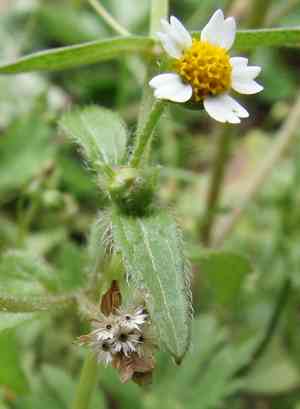
This yearly herbaceous plant flourishes in exposed, disrupted environments and is recognized for its adhesive feel and daisy-like blossoms. For common tarweed, perform a light trim following flowering to foster more compact development and control seed distribution. The ideal period to prune common tarweed is in Spring or early Summer, prior to seed formation. Autumn pruning also contributes to neatness and restricts undesirable seed scattering. Consistent elimination of faded blooms improves aesthetics and hinders excessive proliferation.
What Are the Advantages of Trimming Common Tarweed?
What Are the Advantages of Trimming Common Tarweed?
Trimming common tarweed promotes robust development and helps maintain its form. This process facilitates improved air circulation and light penetration, vital for the well-being and visual appeal of common tarweed. Consistent trimming also prevents excessive growth, enhancing both its look and vigor.
When Is the Optimal Time for Trimming Common Tarweed?
When Is the Optimal Time for Trimming Common Tarweed?
The best periods for trimming common tarweed are spring, summer, and autumn. Trimming in spring stimulates fresh growth and assists the plant in rapid recovery as it enters an active growth phase, ensuring more vigorous vegetation throughout the growing season. Summer trimming benefits common tarweed by helping manage its size and shape, removing any crowded or dead stems that can impede air circulation and light penetration, which are crucial for the plant's health. Additionally, trimming in summer can prevent unwanted seed dispersal, as common tarweed tends to reseed aggressively. Fall trimming primarily involves removing old or dead foliage, which helps reduce the likelihood of pests and diseases in subsequent seasons. These timing strategies align with common tarweed's natural growth cycle, fostering a healthier plant structure, enhancing flowering capabilities, and sustaining plant vitality.
What Equipment Do I Need to Trim Common Tarweed?
Hand Pruners
Perfect for precise cutting and shaping of common tarweed, allowing for selective removal of stems and leaves without causing undue harm.
Gloves
Recommended due to common tarweed's sticky sap, which can be difficult to remove from hands and may cause skin irritation.
How to Trim Common Tarweed
Identify
Locate and evaluate the withered or deceased leaves on common tarweed. This inspection will help pinpoint the specific parts needing attention without affecting healthy sections.
Sanitize
Disinfect your trimming tools, such as shears or scissors. Clean them with alcohol or a similar antiseptic to prevent disease transmission between plants.
Cut
Carefully snip the withered leaves at the base of their stem. Ensure cuts are clean and as close to the main stem as possible to encourage better healing and growth.
Dispose
Properly discard the removed foliage. Do not compost diseased leaves as they can contaminate the compost and spread pathogens when used in the garden.
Monitor
After trimming, regularly observe common tarweed for new growth or additional signs of distress. Effective monitoring aids in maintaining the plant's health and detecting any new issues early.
Common Trimming Errors with Common Tarweed
Over-trimming
A frequent error is removing too much foliage from common tarweed, which can impede its ability to photosynthesize effectively and stress the plant.
Incorrect cut locations
Cutting common tarweed too close to the main stems or too far from the nodes can lead to poor regrowth and may expose the plant to illnesses.
Using dull tools
Employing dull trimming tools can damage common tarweed stems by crushing rather than making a clean cut, potentially leading to disease and pest problems.
Helpful Trimming Advice for Common Tarweed
Clean cuts
Make neat, sharp cuts at a 45-degree angle approximately 1/4 inch above a leaf node to encourage healthy new growth.
Correct tool selection
Use sharp, clean trimming shears specifically suited for smaller plants like common tarweed to prevent damage and ensure cutting precision.
Consider plant health
When trimming common tarweed, always consider the plant's overall health; remove only dead or diseased foliage to avoid stressing the plant unnecessarily.



