How to Transplant Fitch's tarweed?
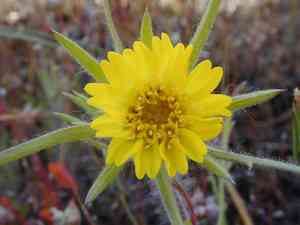
For the most successful transfer, fitch's tarweed thrives when moved during the peak of its growth period, specifically from late spring through early summer. Confirm its placement in a bright, adequately draining spot. Exercise caution during the transplanting process to prevent damage to its root system.
What Preparations are Needed Before Transplanting Fitch's Tarweed?
What is the Ideal Time for Transplanting Fitch's Tarweed?
The best time to move fitch's tarweed, an annual, is from late spring to early summer. This period ensures the soil is warm enough, aiding root development and robust growth. Transplanting then takes advantage of longer daylight and good weather, maximizing the plant's growth and flowering potential.
How Much Space Should You Leave Between Fitch's Tarweed Plants?
When relocating fitch's tarweed, ensure each plant is spaced 6-12 inches (15-30 cm) apart. This provides ample room for growth and nutrient access, preventing overcrowding.
What is the Best Soil Mix for Fitch's Tarweed Transplanting?
Prepare well-draining soil enriched with compost or a balanced, slow-release fertilizer to boost nutrients. This helps fitch's tarweed thrive, as it prefers slightly sandy or loamy soil with good drainage.
Where Should You Relocate Your Fitch's Tarweed?
Select a sunny spot for transplanting fitch's tarweed. This plant thrives in full sun, requiring at least 6-8 hours of direct sunlight daily for optimal development.
What Equipments Should You Prepare Before Transplantation Fitch's Tarweed?
Gardening Gloves
To shield your hands while handling soil and plants.
Shovel or Spade
For excavating the plant and preparing its new location.
Trowel
Useful for precise digging and careful handling, especially for smaller plants.
Watering Can or Hose
To maintain soil moisture before and after the move.
Garden Fork
Helpful for loosening soil around the plant to minimize root disruption.
Bucket or Container
To transport the plant if necessary.
Mulch
To aid in retaining soil moisture post-transplant.
How Do You Remove Fitch's Tarweed from the Soil?
How Do You Remove Fitch's Tarweed from the Soil?
From Ground: First, moisten the fitch's tarweed plant's soil. Then, dig a wide trench around the plant with a shovel or spade, keeping the root ball intact. Carefully work the spade beneath the root ball to lift the plant from its original spot.From Pot: Water the soil to facilitate removal. Gently invert the pot, supporting the fitch's tarweed plant with your hand. Tap the pot's base to loosen the root ball, then carefully slide the plant out, aiming to keep the root system whole.From Seedling Tray: Dampen the soil beforehand. Using a trowel or your fingers, gently lift seedlings from the tray, holding them by the leaves rather than the stem to prevent damage. Ensure the entire root system remains intact.
Step-by-Step Guide for Transplanting Fitch's Tarweed
Prepare the New Site
Ensure the new location is ready before plant removal. Dig a hole twice as wide and as deep as the root ball, and loosen the soil at the bottom.
Remove the Plant
Follow the specific removal method for ground, pot, or seedling tray as required.
Place the Plant in the New Site
Carefully position the fitch's tarweed plant in the prepared hole, gently spreading its roots. Ensure the plant sits at the same soil level as it was previously.
Add Soil
Fill the hole with the excavated soil, gently firming it down to remove air pockets without over-compacting.
Water the Plant
Thoroughly water the plant to help settle the soil around the roots and lessen transplant shock.
Mulch
Apply a layer of mulch around the base to help retain moisture, protect roots, and insulate against temperature changes.
How Do You Care For Fitch's Tarweed After Transplanting?
Watering
Keep the soil around the fitch's tarweed consistently moist but not waterlogged for the initial weeks post-transplant to encourage strong root development.
Monitoring
Look for signs of transplant shock like wilting, yellowing leaves, or stunted growth, and address them by adjusting care routines.
Mulching
Replenish mulch as needed to maintain a protective layer around the plant.
Weeding
Regularly remove competing weeds that might vie with your fitch's tarweed for nutrients and water.
Troubleshooting Common Issues with Fitch's Tarweed Transplantation.
When is the best time to transplant fitch's tarweed?
Transplant during late spring, early summer, or mid-summer for optimal results.
How much space should I leave between fitch's tarweed plants?
Space each fitch's tarweed plant about 6-12 inches (15-30 cm) apart.
Why are the leaves of my transplanted fitch's tarweed wilting?
Wilting can result from transplant shock. Keep soil consistently moist and provide partial shade initially.
What should the soil be like for transplanting fitch's tarweed?
Use well-draining soil rich in organic matter to ensure healthy growth.
Do fitch's tarweed plants require fertilization after transplanting?
Yes, a balanced, water-soluble fertilizer can help establish strong root systems.
How should I water newly transplanted fitch's tarweed?
Water thoroughly after transplanting and keep the soil evenly moist but not waterlogged.
Should I mulch around transplanted fitch's tarweed?
Adding a thin layer of mulch helps retain moisture but keep it away from stems.
How do I protect transplanted fitch's tarweed from pests?
Regularly inspect for pests and use natural insecticides if necessary. Healthy plants resist pests better.
Can I transplant fitch's tarweed in the fall?
It's better to avoid fall transplants; stick to late spring to mid-summer for best results.
How deep should I plant fitch's tarweed during transplanting?
Plant fitch's tarweed at the same depth it was in its original container to avoid stress.



