How to Propagate Fitch's tarweed?
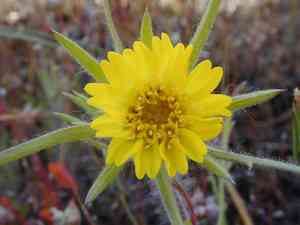
Fitch's tarweed, a notable species within the Asteraceae family, exhibits characteristic yellow blossoms. To propagate, disperse seeds directly into soil that drains effectively. Make certain to lightly conceal them to encourage successful sprouting. Sufficient sunlight and measured irrigation are crucial for the growth of young plants. Once rooted, the plant requires little attention, positioning fitch's tarweed as a robust option for enriching indigenous plant landscapes.
Optimal Time for Fitch's Tarweed Propagation
Propagation Method
Seeding
Propagation Period
Spring
Tools Utilized in Fitch's Tarweed Propagation
Seed Trays
Seed trays are vital for initiating fitch's tarweed seeds, offering a regulated setting for germination. These trays aid in managing moisture levels, preventing seed loss, and ensuring consistent development.
Seed Starting Mix
A well-draining seed starting mix is essential for fitch's tarweed as it prevents waterlogging and ensures soil aeration. This mix enhances germination rates by providing ideal conditions for seedling growth.
Humidity Dome
A humidity dome maintains elevated humidity levels, which benefits fitch's tarweed seeds during the initial germination phases. It prevents soil desiccation and creates a micro-environment conducive to sprouting.
Misting Bottle
A misting bottle delivers gentle irrigation to fitch's tarweed seeds without disturbing the soil or dislodging seeds. Consistent misting helps maintain the necessary moisture for germination without excessive watering.
LED Grow Lights
LED grow lights are crucial for fitch's tarweed germinated indoors to ensure sufficient light exposure. These lights promote strong, healthy growth, especially when natural light is insufficient.
Heat Mat
A heat mat positioned beneath the seed tray can provide steady warmth to fitch's tarweed seeds, which is important for accelerating germination and fostering vigorous seedling growth in cooler environments.
Label Markers
Label markers are critical for tracking fitch's tarweed seeds, ensuring that different plant species or varieties are not confused. This assists in effectively managing and monitoring the germination process.
How to Propagate Fitch's Tarweed
Propagation Type
Simple
Caring for Your Newly Propagated Fitch's Tarweed
Caring for Your Newly Propagated Fitch's Tarweed
Post-transplant, water seedlings regularly, allowing the soil to dry slightly between waterings to prevent root rot. Fertilize sparingly with a balanced, low-nitrogen feed. Monitor for pests or diseases and address them promptly. As fitch's tarweed is drought-tolerant once established, gradually reduce watering frequency to encourage deep rooting and resilience. Prune dead or damaged foliage to maintain plant health and appearance.
Common Errors to Avoid When Propagating Fitch's Tarweed
Overwatering
Excessive water can lead to root rot, severely impacting fitch's tarweed's health and hindering successful propagation.
Inadequate Sunlight
Placing fitch's tarweed in insufficient light can stunt its development and weaken the plant, reducing the likelihood of successful propagation.
Poor Soil Quality
Using soil that is too dense or lacks proper drainage can suffocate roots and retain too much moisture, detrimental to fitch's tarweed's growth.
Crowding
Planting too many seeds or cuttings too close together can result in competition for resources, leading to weak and unhealthy plants.
Advice For Propagating Fitch's Tarweed
Moderate Watering
Water fitch's tarweed just enough to keep the soil slightly moist but avoid waterlogging. Ensure good drainage to prevent root rot.
Adequate Sunlight
Position fitch's tarweed where it can receive ample sunlight, aiming for at least 6 hours of direct light daily to support robust growth.
Well-Draining Soil
Utilize a sandy or loamy soil mix with good drainage properties to promote healthy root development and prevent waterlogged conditions.
Proper Spacing
Plant seeds or cuttings of fitch's tarweed with sufficient space between them to allow for proper airflow and reduce competition for nutrients and light.



