How to Prune Fitch's tarweed?
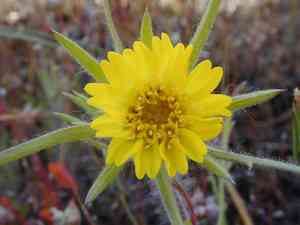
Fitch's tarweed, known for its vibrant yellow blossoms and distinctive fragrant resin, flourishes with periodic trimming. Perform cuts in early Spring to eliminate lifeless or injured stalks, fostering more vigorous development. Gently sculpt in Summer to stimulate a denser form and eliminate faded flowers. Execute a concluding trim in Fall to ready the specimen for its resting phase. This approach boosts flowering output, controls excessive expansion, and preserves its visual charm. Consistent trimming deters ailments and encourages more vivid, sturdy blooms.
What Are the Benefits of Pruning Fitch's Tarweed?
What Are the Benefits of Pruning Fitch's Tarweed?
Fitch's tarweed benefits from pruning to encourage robust growth and maintain its form. Trimming helps manage its size, fosters healthy development, boosts flowering, improves appearance, and aids in pest and disease resistance.
What Is the Best Time for Pruning Fitch's Tarweed?
What Is the Best Time for Pruning Fitch's Tarweed?
Pruning or trimming fitch's tarweed is optimally performed in Spring, Summer, or Fall. Spring is ideal as it stimulates new growth and allows for the removal of any damaged or dead sections before the plant enters its active growth phase. During Summer, light upkeep pruning assists in shaping the plant and controlling its dimensions without causing stress. Fall pruning is advantageous for preparing fitch's tarweed for its dormant winter period by eliminating any remaining unhealthy or excessive growth. These periods align with fitch's tarweed's life cycle, ensuring the plant stays healthy and promotes optimal blooming or seed production in subsequent cycles.
What Tools Do I Need to Prune Fitch's Tarweed?
Hand pruners
Hand pruners are perfect for making precise cuts on smaller branches or stems. Given fitch's tarweed's growth habits, this tool helps effectively manage its shape and size.
Pruning shears
Pruning shears are useful for somewhat thicker stems and can handle the density often found in mature fitch's tarweed plants. This tool ensures clean cuts, which is vital for the plant's well-being.
Gloves
Protective gardening gloves are crucial when handling fitch's tarweed, as they help shield hands from potential irritants or the plant's rough textures.
Bucket or collection bag
A bucket or collection bag is necessary for efficiently gathering and disposing of clippings and debris, keeping the work area tidy and reducing disease risks.
How to Prune Fitch's Tarweed
Assessment
Examine the plant closely to identify shriveled leaves. These will typically appear brown, dry, and lack vigor.
Tools
Prepare sterilized pruning shears or scissors to prevent the potential spread of disease. Ensure they are sharp for clean cuts.
Cut
Carefully cut the shriveled leaves at their base, close to the main stem but avoiding any harm to healthy tissue. This precision helps prevent any chance of infection.
Disposal
Immediately dispose of the removed shriveled leaves away from the plant to prevent any potential pests or diseases from affecting healthy parts of the plant.
Inspection
Regularly inspect fitch's tarweed for any new shriveled leaves throughout its growing season. Promptly repeat the trimming process to maintain plant health.
Common Pruning Mistakes with Fitch's Tarweed
Over-pruning
Removing too much foliage at once can stress fitch's tarweed, hindering its growth and ability to flower.
Improper tools
Using dull or unclean tools can introduce diseases to fitch's tarweed and cause uneven cuts, damaging the plant.
Poor cutting technique
Making cuts too close to the main stem or leaving long stubs can harm fitch's tarweed, leading to dieback or disease.
Ignoring dead or diseased parts
Failing to prune dead or diseased parts can allow issues to spread, affecting the overall health of fitch's tarweed.
Common Pruning Tips for Fitch's Tarweed
Use sharp, clean tools
Always use sharp and sterilized tools to make clean cuts, minimizing damage and the risk of disease to fitch's tarweed.
Make clean cuts
Ensure cuts are made at a 45-degree angle just above a leaf node to promote healthy regrowth and avoid water accumulation.
Remove dead and diseased wood
Regularly check fitch's tarweed for any signs of dead, damaged, or diseased wood, and promptly remove these parts to prevent the spread of disease.
Thin out crowded branches
Periodically thin out crowded branches to improve air circulation and light penetration, which helps fitch's tarweed stay healthy and reduces the risk of fungal issues.
Balance pruning and growth
Prune conservatively, removing no more than one-third of the plant's total growth at a time to avoid stressing fitch's tarweed and maintain its vigor.



