How to Transplant Branched centaury?
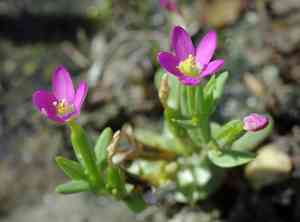
The most favorable period for transplanting branched centaury is from the onset of late spring through the heart of mid-summer, which guarantees robust development. Select a brightly lit location featuring soil that drains effectively to foster prosperity. Gentle manipulation during this process is highly advantageous.
What Preparations are Needed Before Transplanting Branched Centaury?
What is the Ideal Time for Transplanting Branched Centaury?
The most favorable time for moving branched centaury is typically from the freshness of late spring through the warmth of mid-summer. During this period, the milder temperatures and extended daylight hours create an optimal setting for branched centaury to establish roots and flourish. Relocating branched centaury within this timeframe enhances the plant's ability to adapt to its new location before colder weather arrives. Additionally, consistent warmth aids in root development, providing branched centaury with a strong base for growth and flowering during its annual cycle. It's a wonderful season to give branched centaury a fresh start!
How Much Space Should You Leave Between Branched Centaury Plants?
When transplanting branched centaury, aim to provide each small plant with approximately 6-8 inches (15-20 cm) of space. This allows them ample room to thrive without competing for nutrients or sunlight. Envision them as tiny neighbors who appreciate their own garden plots!
What is the Best Soil Mix for Branched Centaury Transplanting?
For branched centaury, prepare a welcoming environment with well-draining soil, rich in organic matter. A light application of balanced fertilizer, such as a 10-10-10 blend, will give branched centaury a nutritional boost. Consider it a housewarming present for your plant's new spot!
Where Should You Relocate Your Branched Centaury?
Find a sunny location for branched centaury to enjoy! These plants adore sunlight, so a spot where they can absorb at least 6 hours of direct sun daily is perfect. It's like choosing a bright vacation destination for your green companions!
What Equipments Should You Prepare Before Transplantation Branched Centaury?
Gardening Gloves
To safeguard your hands while handling soil and plants.
Hand Trowel
For excavating small holes and moving young plants.
Spade or Shovel
To dig up larger plants from the ground and create planting holes.
Watering Can or Hose
For hydrating the plant before and after its relocation.
Pruning Shears
To trim any damaged roots or stems if necessary.
Wheelbarrow
To transport the plant and soil, especially for bigger specimens.
How Do You Remove Branched Centaury from the Soil?
How Do You Remove Branched Centaury from the Soil?
From Ground: First, hydrate the branched centaury plant to moisten the soil. Then, excavate a wide circle around the plant using a shovel or spade. Gently probe to determine the root ball's extent, aiming to preserve it as much as possible. Slide the spade beneath the root ball to lift the plant from the soil.From Pot: Begin by thoroughly watering the branched centaury to facilitate removal. Grasp the plant's base, tilt the pot, and gently tap its sides to loosen. Carefully pull the plant out while supporting the root ball with your other hand.From Seedling Tray: Water the seedlings to keep the soil intact. Use a hand trowel or a spoon to carefully scoop out each branched centaury seedling. Handle the seedlings gently by their leaves, not the delicate stems, to prevent harm.
Step-by-Step Guide for Transplanting Branched Centaury
Prepare the New Site
Dig a hole in the ground at the new location that is twice the width of the root ball and of similar depth, allowing the branched centaury to be planted at its original growing level.
Inspect the Plant
Examine the branched centaury root ball carefully. Trim any damaged roots with pruning shears, and consider shortening long roots to encourage new growth.
Position the Plant
Place the branched centaury in the center of the new hole. Ensure it's upright and at the correct planting depth before backfilling with soil.
Backfill the Hole
Carefully fill the hole around the branched centaury root ball with soil. Gently firm the soil to eliminate air pockets, but avoid compacting it.
Water Thoroughly
Water the branched centaury generously after planting to settle the soil around the roots and provide the moisture needed for recovery from transplant shock.
How Do You Care For Branched Centaury After Transplanting?
Monitoring
Observe your branched centaury for indications of transplant shock, such as wilting or discolored leaves. If these symptoms appear, confirm they are not due to excessive or insufficient watering.
Watering
Water your branched centaury regularly to maintain moisture and aid root establishment. However, ensure the soil drains well to prevent rot.
Mulching
Apply a layer of organic mulch around the branched centaury, keeping it away from the stems, to conserve moisture and maintain consistent soil temperatures.
Fertilizing
Wait at least 4-6 weeks before applying fertilizer to allow your branched centaury time to adjust to its new environment.
Troubleshooting Common Issues with Branched Centaury Transplantation.
When is the best time to transplant branched centaury?
For optimal results, move branched centaury during the pleasant period from late spring to mid-summer.
How far apart should I space branched centaury when transplanting?
Position branched centaury with ample room, ideally 6-8 inches (15-20 cm) apart for healthy development.
Why are my transplanted branched centaury wilting post-transplant?
Wilting may be due to shock. Water them consistently and provide shade for a few days after relocation.
What soil conditions favor the successful transplanting of branched centaury?
They thrive in well-draining soil rich in organic matter. Test soil and amend before transplanting.
How much sunlight does branched centaury require after transplanting?
Post-transplant, branched centaury enjoys soaking up full sunlight. Ensure it gets at least 6 hours of direct light.
How do I know if branched centaury needs watering after transplanting?
Water when the top inch (2.5 cm) of soil feels dry. Avoid overwatering to prevent root rot.
What's the ideal transplanting depth for branched centaury?
Dig a hole as deep as the root ball and twice as wide to comfortably place branched centaury.
Should I fertilize branched centaury immediately after transplanting?
Refrain from fertilizing immediately; allow a few weeks for branched centaury to settle into its new home.
Can I transplant branched centaury during a hot day?
Transplant in the cool evening or on an overcast day to minimize transplant shock.
How to handle branched centaury with care during transplanting?
Gently separate roots and handle branched centaury by the root ball, not the stems or leaves.



