How to Prune Branched centaury?
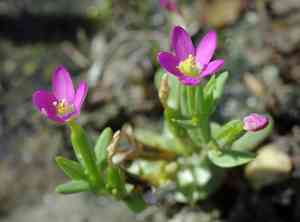
Distinguished by its delicate pink blossoms and application in folk remedies, branched centaury necessitates infrequent trimming. Remove spent flowers and lifeless stalks to foster a denser habit and increased flowering. The ideal periods for this maintenance are late spring or following its summer flowering phase. Autumn pruning assists in averting ailments and insect problems. Consistent removal of spent blooms boosts the vitality and lifespan of branched centaury, improving its dense structure.
Advantages of Trimming Branched Centaury
Advantages of Trimming Branched Centaury
Trimming branched centaury promotes robust development and helps maintain its desired shape. Removing dead or overgrown stems enhances its appearance and stimulates strong growth.
Optimal Time for Trimming Branched Centaury
Optimal Time for Trimming Branched Centaury
Trimming branched centaury in Spring is ideal as it's after the frost risk, reducing damage to new cuts. Early Summer pruning suits branched centaury's growth cycle, focusing on shaping while it actively grows. Avoid mid-summer pruning when branched centaury might be blooming. Late Fall pruning is suitable as branched centaury enters dormancy; it's a good time to remove dead or diseased branches without stressing the plant, but all trimming should be completed before the first frost. Each season aligns with a phase of branched centaury's lifecycle, allowing for recovery and promoting health and vigorous growth in the subsequent season.
Tools Required for Trimming Branched Centaury
Hand pruners
Ideal for precise cutting of stems and deadheading, crucial for maintaining branched centaury's health and aesthetic. Hand pruners offer accuracy and ease of use for trimming small, delicate stems.
Gardening scissors
These are perfect for accurately snipping branched centaury's thin, fragile stems during shaping or removing spent blooms. They provide a clean cut without harming plant tissue, vital for branched centaury's delicate structure.
Floral snips
Specifically designed for deadheading and light shaping of plants with fine stems. Floral snips are excellent for branched centaury as they allow gentle trimming without causing undue stress to the plant.
How to Trim Branched Centaury
Sanitize Tools
Before trimming branched centaury, clean and sterilize all pruning tools to prevent disease transmission.
Identify
Examine branched centaury to locate withered leaves that require removal. Look for any discolored, dried, or decaying foliage.
Snip Withered Leaves
Use sharp pruning shears to snip withered leaves at their base where they connect to branched centaury's stem or branch. Make clean cuts to avoid tearing, which could harm the plant.
Discard
Carefully dispose of withered leaves by removing them from the vicinity of branched centaury to eliminate the risk of disease or pests attracted to decay.
Inspect Trim
After removing withered leaves, perform a final inspection of branched centaury to ensure all problematic foliage has been trimmed, and the plant maintains a healthy appearance.
Common Trimming Errors with Branched Centaury
Excessive Trimming
Removing too much foliage from branched centaury at once can weaken the plant and reduce its vitality.
Incorrect Cut Placement
Making cuts too far from a bud or node can result in dead stubs that attract disease and pest infestations.
Using Dull Implements
Trimming branched centaury with dull or unclean tools may cause unnecessary damage and ragged cuts that heal poorly.
Ignoring Diseased Material
Failing to remove diseased or damaged tissue when trimming can spread infections throughout branched centaury.
Unnecessary Severe Trimming
Performing aggressive trimming without reason can stress branched centaury and potentially negatively impact its natural growth habit.
General Trimming Advice for Branched Centaury
Sharp Clean Tools
Use sharp, clean pruning shears to make precise cuts that will heal quickly, minimizing disease risk.
Diagonal Angle Cuts
Make cuts at a diagonal angle just above buds or nodes to promote proper healing and new growth.
Timely Trimming
Although the best season is not to be mentioned, trimming should be done as needed to remove dead or damaged stems.
Reduce Density
Thin out overly dense areas to improve air circulation and light penetration, benefiting branched centaury's overall health.
Maintain Natural Shape
Trim branched centaury lightly to maintain its natural shape; balance the canopy and fluffiness without drastically altering its form.



