How to Propagate Branched centaury?
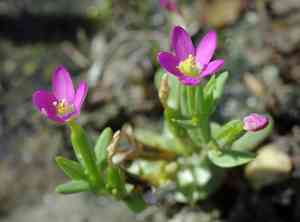
For propagating branched centaury, seeding is the main technique, necessitating appropriate placement of seeds in porous soil, ideally a blend of sand and peat for peak development. Disperse the seeds carefully on the surface, providing a light covering to retain dampness without impeding the light essential for sprouting. Moderate irrigation encourages hydration and prevents seed dislodgement. Once the young plants are robust, transfer them to separate containers to foster their growth prior to their final placement in the garden. A thorough grasp of this intricate procedure is crucial for robust plants.
Optimal Period for Branched Centaury Propagation
Propagation Method
Seeding
Propagation Period
Spring
Tools Required for Branched Centaury Propagation
Seed trays
Seed trays are vital for the controlled germination of branched centaury seeds. Their flat, broad design allows for even seed distribution, ensuring each seed has ample room to grow without crowding. Properly spaced seeds help prevent fungal issues and promote healthier seedlings by ensuring sufficient airflow.
Fine-grained, sterilized potting mix
Utilizing a fine-grained, sterilized potting mix is crucial for branched centaury. It offers a clean, pathogen-free environment, essential for the delicate initial stages of seedling development. This type of mix also aids in better moisture retention and air circulation, key for branched centaury's germination and root growth.
Misting bottle
A misting bottle is employed to gently water branched centaury seeds. It ensures that seeds and seedlings receive moisture in a controlled manner, preventing overwatering, which can lead to seed rot or fungal diseases. The fine mist helps maintain optimal humidity levels without disturbing small seeds or young seedlings.
Grow lights (if indoor propagation)
Grow lights are advantageous if propagating branched centaury indoors or in areas with inadequate sunlight. They provide a consistent light source necessary for photosynthesis, critical during a plant's early life stages. Adjustable intensity settings help meet branched centaury's specific light requirements as it matures.
Labels and markers
Labels and markers are simple yet essential for tracking different propagation stages and specific needs of branched centaury. Proper labeling assists in monitoring growth progress and applying specific care at appropriate times, improving the overall success rate of propagation.
How to Propagate Branched Centaury?
Propagation Type
Simple
Caring for Your Newly Propagated Branched Centaury
Caring for Your Newly Propagated Branched Centaury?
Post-propagation, ensure branched centaury is placed in a brightly lit area but shielded from direct afternoon sun. Maintain consistent watering, keeping the soil moist yet well-drained. Branched centaury benefits from light feeding with a balanced, liquid fertilizer every four weeks during its active growth period. Avoid excessive watering to prevent root rot. Remove spent flowers to encourage further blooming.
Common Errors to Avoid When Propagating Branched Centaury
Overwatering
Excessive moisture can cause root rot in branched centaury, as it prefers well-drained soils. Waterlogged conditions are particularly harmful, potentially leading to fungal infections and impaired root function.
Deep planting
Planting branched centaury seeds too deeply can impede germination due to insufficient light and excess soil moisture. This error can result in poor or failed seedling emergence.
Ignoring light requirements
Failing to provide branched centaury with adequate sunlight can weaken the plant, as it thrives in full sun to partial shade. Insufficient light leads to leggy plants and poor flowering.
Tips For Propagating Branched Centaury
Well-draining soil
Using well-draining, sandy soil helps prevent moisture-related issues and promotes healthier root development for branched centaury. This encourages robust growth conducive to successful propagation.
Shallow seed sowing
Sowing branched centaury seeds just below the soil surface allows for optimal light exposure essential for germination. A light covering of soil helps keep the seeds moist and secure without hindering emergence.
Gradual acclimatization
When relocating propagated branched centaury plants outdoors, gradually acclimate them to natural conditions to prevent shock. This approach enhances survival rates and overall health by allowing gradual adaptation to external factors.



