How to Transplant Maltese Star-Thistle?
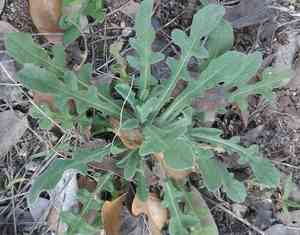
For maltese Star-Thistle, the ideal period for moving is from mid to late spring, as mild conditions aid root development. Position it in soil that drains effectively, receiving ample sunlight. When transplanting, guarantee minimal disruption to the roots for best growth.
What Preparations are Needed Before Transplanting Maltese Star-thistle?
What is the Ideal Time for Transplanting Maltese Star-thistle?
Relocate maltese Star-Thistle during the period spanning from the peak of spring to its milder conclusion. This timeframe promotes robust root growth prior to the summer heat. Utilizing the optimal conditions in the latter part of spring ensures maltese Star-Thistle establishes well, setting it up for vigorous development. When you move maltese Star-Thistle as spring transitions into its gentler phase, it allows ample time for adaptation before summer's intensity. A friendly reminder: this is the prime moment for shifting maltese Star-Thistle for a healthy growth surge!
How Much Space Should You Leave Between Maltese Star-thistle Plants?
Let's find a comfortable spot for your maltese Star-Thistle! Aim to position these young plants approximately 6-12 inches (15-30 cm) apart. This provides each maltese Star-Thistle sufficient room to thrive without overcrowding.
What is the Best Soil Mix for Maltese Star-thistle Transplanting?
Your maltese Star-Thistle will prefer well-draining soil with a good amount of compost as a foundational fertilizer. It's like preparing a nourishing bed for them to settle into!
Where Should You Relocate Your Maltese Star-thistle?
Select a sunny location for your maltese Star-Thistle, where they can receive at least 6 hours of direct sunlight daily. They flourish in the sun's warm embrace!
What Equipments Should You Prepare Before Transplantation Maltese Star-thistle?
Gardening Gloves
To safeguard your hands while handling soil and plants.
Trowel
For excavating a hole for the maltese Star-Thistle transplant.
Hand Fork
To loosen the soil surrounding the plant before its removal.
Watering Can or Hose
For hydrating the plant both before and after relocation.
Shears or Scissors
To trim any dead foliage or roots, if required.
Measuring Tape
To ensure correct spacing between transplanted specimens.
Wheelbarrow or Bucket
For transporting the maltese Star-Thistle and soil.
How Do You Remove Maltese Star-thistle from the Soil?
How Do You Remove Maltese Star-thistle from the Soil?
From Ground: First, irrigate the maltese Star-Thistle plant to moisten the soil. Next, use a hand fork to gently loosen the earth around the plant. Carefully create a perimeter by digging around the plant to preserve a substantial root ball. Slide a trowel underneath to lift the plant, ensuring the root system remains as intact as possible.From Pot: Dampen the soil in the container to facilitate removal. Turn the pot on its side, tap the base, and carefully extract the maltese Star-Thistle by the stem's base. Be cautious not to pull too forcefully to prevent root damage.From Seedling Tray: Lightly water the cell containing the maltese Star-Thistle seedling. Gently press from the tray's bottom to elevate the plant. Use a trowel or your fingers to lift the plant out, keeping the root ball and soil together.
Step-by-Step Guide for Transplanting Maltese Star-thistle
Plan Transplant Time
Choose an overcast day with cooler temperatures to minimize stress on the maltese Star-Thistle. Late afternoon is also an ideal time to avoid intense sun exposure during the process.
Prepare the Transplant Site
Dig a hole in the ground that is twice as wide and the same depth as the maltese Star-Thistle's root ball.
Hydrate the maltese Star-Thistle
Before transplanting, thoroughly water the maltese Star-Thistle to ensure the roots are well-hydrated, which will aid in their recovery from the shock of being moved.
Transplanting
Position the maltese Star-Thistle in the center of the hole. Backfill around the plant with soil, gently firming it down to eliminate air pockets.
Support the maltese Star-Thistle
If the maltese Star-Thistle is tall or appears unstable, use a stake to support the plant and tie it loosely with soft plant ties or strips of fabric.
Final Watering
Water the area thoroughly after transplanting to settle the soil around the roots and assist with the recovery process.
How Do You Care For Maltese Star-thistle After Transplanting?
Monitor Moisture Levels
Check the soil's moisture daily, and water as needed to maintain consistent dampness, allowing for proper root system establishment and encouraging growth.
Observe Plant Health
Look for indications of transplant shock, such as wilting or yellowing leaves, and intervene if necessary by providing shade or adjusting irrigation.
Protect from Pests
Keep an eye out for pests that might attack the stressed maltese Star-Thistle and manage them promptly using suitable methods for beginners, such as manual removal or organic repellents.
Gentle Care
Allow the maltese Star-Thistle to settle and establish without disturbance. Refrain from fertilizing until the plant shows new growth, indicating its recovery.
Troubleshooting Common Issues with Maltese Star-thistle Transplantation.
What's the perfect time to transplant maltese Star-Thistle?
The optimal period for relocating maltese Star-Thistle is from mid-spring to late spring, once the soil has warmed.
How far apart should maltese Star-Thistle plants be spaced?
Position maltese Star-Thistle plants approximately 6-12 inches (15-30 cm) apart to ensure they have ample room to thrive.
Why are my transplanted maltese Star-Thistle wilting?
Wilting may be due to root damage or shock during relocation. Ensure careful handling and sufficient watering.
Can I transplant maltese Star-Thistle under full sun?
Yes, maltese Star-Thistle flourishes in sunny locations. However, avoid intense midday sun immediately after transplanting to reduce stress.
Should I water maltese Star-Thistle immediately after transplanting?
Absolutely! Water your maltese Star-Thistle generously right after transplanting to help settle the soil around its roots.
How deep should I plant maltese Star-Thistle seedlings?
Transplant maltese Star-Thistle seedlings at the same depth they were growing in their original container.
What soil type is best for transplanting maltese Star-Thistle?
Well-draining soil with moderate fertility is ideal for maltese Star-Thistle, as waterlogged roots can be harmful.
How do I prepare my garden soil before transplanting maltese Star-Thistle?
Loosen the soil and incorporate some compost to enrich it and improve its structure for maltese Star-Thistle's roots.
What should I do if maltese Star-Thistle's leaves turn yellow after transplanting?
Yellow leaves might indicate stress or overwatering. Check the soil moisture and adjust your irrigation schedule accordingly.
How do I protect my transplanted maltese Star-Thistle from pests?
Keep an eye out for pests and apply appropriate organic pesticides if necessary. Maintain healthy plant practices to prevent infestations.



