How to Prune Maltese Star-Thistle?
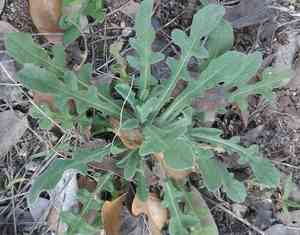
Maltese Star-Thistle, a robust biennial recognized for its thistle-like characteristics, flourishes with little upkeep. Successful pruning entails eliminating faded blossoms and reducing any congested stalks to inhibit self-propagation and stimulate development. The ideal periods for pruning are during spring, summer, and autumn, coinciding with the plant's developmental phases. Consistent deadheading extends the flowering period and manages its dissemination. Pruning not only enhances the plant's vitality but also curbs the invasive nature of maltese Star-Thistle, which is crucial for preserving ecological equilibrium.
What Are the Benefits of Pruning Maltese Star-thistle?
What Are the Benefits of Pruning Maltese Star-thistle?
Trimming maltese Star-Thistle promotes robust development and helps maintain its desired form. This practice fosters a stronger plant framework and can improve its decorative appeal, ensuring maltese Star-Thistle remains an appealing garden feature.
What Is the Best Time for Pruning Maltese Star-thistle?
What Is the Best Time for Pruning Maltese Star-thistle?
Pruning in Spring coincides with the start of maltese Star-Thistle's active growth phase, allowing the plant to recover quickly and benefit from the growing season for denser leaves and stronger stems. Early Summer trimming is ideal for removing spent blossoms after maltese Star-Thistle's flowering period, which also helps prevent self-seeding and invasive spread. Pruning in the Fall is perfect for shaping the plant and eliminating any dead or diseased stems before maltese Star-Thistle enters dormancy in winter, encouraging healthier growth in the subsequent season. These periods ensure minimal stress on maltese Star-Thistle, promoting vitality and preventing the proliferation of pests and diseases that can occur with improper pruning times.
What Tools Do I Need to Prune Maltese Star-thistle?
Hand Pruners
For cutting through maltese Star-Thistle's relatively slender stems, use sharp hand pruners or secateurs. These tools enable precise cuts and help maintain plant health by creating clean wounds that heal more efficiently.
Gloves
When trimming maltese Star-Thistle, it is advisable to wear gloves to protect your hands from its spiny stems and foliage, which can cause skin irritation.
Pruning Saw
For older and woodier stems of maltese Star-Thistle that hand pruners cannot easily cut through, use a pruning saw. This tool will allow you to manage larger branches without damaging the tool or the plant.
Loppers
If maltese Star-Thistle has grown quite large and has stems thicker than typical secateurs can handle, loppers with longer handles can provide the necessary leverage to make pruning easier while keeping the cuts clean and precise.
How to Prune Maltese Star-thistle
Identify
Examine maltese Star-Thistle for withered leaves that no longer contribute to the plant's aesthetics or health.
Clean
Use sterilized, sharp pruning shears to achieve clean cuts that will minimize damage and prevent disease.
Cut
Trim the withered leaves at their base, close to the stem, without cutting into fresh, green growth to avoid stress to maltese Star-Thistle.
Dispose
Carefully remove and dispose of the trimmed leaves to prevent any potential spread of pests or disease.
Monitor
Regularly monitor maltese Star-Thistle after pruning to ensure healthy regrowth and address any additional pruning needs as the plant continues to develop.
Common Pruning Mistakes with Maltese Star-thistle
Over-pruning
Removing too much foliage from maltese Star-Thistle can weaken the plant, leading to stunted growth or even plant death. A general rule of thumb is to avoid removing more than one-third of the plantâs mass during a pruning session.
Improper cut location
Incorrectly placing cuts either too close or too far from the node can result in damage to maltese Star-Thistle. Cuts should be made at a 45-degree angle just above a set of leaves or a node to encourage proper healing and new growth.
Using dull tools
Dull pruning tools can cause ragged cuts on maltese Star-Thistle, which can lead to pest infestations or disease issues. Always use sharp, clean tools for precise cuts.
Neglecting tool cleanup
Failing to clean tools between pruning sessions can spread pathogens from diseased plants to healthy ones. Disinfect tools before moving to another maltese Star-Thistle or different plant.
Ignoring plant shape
Randomly cutting branches without considering the natural shape of maltese Star-Thistle can lead to an unbalanced, unsightly form. Always prune with the natural architecture of the plant in mind.
Common Pruning Tips for Maltese Star-thistle
Selective pruning
Focus on removing only the dead or diseased stems to maintain the health and vigor of maltese Star-Thistle. This targeted approach promotes better air circulation and light penetration, which are essential for the plant's well-being.
Thinning out
To reduce the risk of fungal diseases, thin out dense areas of maltese Star-Thistle by selectively removing some stems at the base. This increases airflow and reduces humidity within the foliage.
Encouraging flowers
To stimulate flowering in maltese Star-Thistle, prune immediately after the blooming period to prevent cutting off developing flower buds. However, avoid excessive pruning, which could reduce flowering.
Proactive health checks
Regularly inspect maltese Star-Thistle for signs of pests or diseases during pruning. Early detection and removal of affected areas can prevent further spread to healthy parts of the plant.
Consistent maintenance
Conduct light, regular pruning sessions for maltese Star-Thistle rather than infrequent, heavy pruning. This routine maintenance encourages a robust and attractive plant structure.



