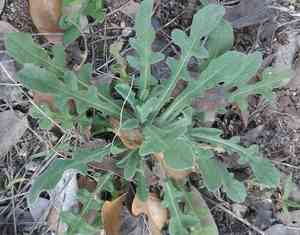
Maltese Star-Thistle (Centaurea melitensis)
Also known as: Malta Starthistle
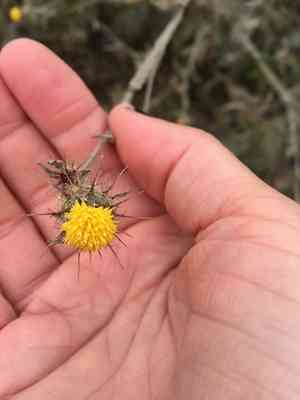
Maltese Star-Thistle (Centaurea melitensis) is an annual herb originating from Europe and Africa. Classified as a noxious and potentially invasive weed in some regions of the U.S., it blooms between spring and summer. This plant features small flower heads adorned with light brown to purple spiked appendages and tiny yellow disc-shaped florets.
In This Article
Attributes of Maltese Star-Thistle
Lifespan
Annual, Biennial
Plant Type
Herb
Plant Height
30 cm to 61 cm
Spread
10 to 30 cm
Leaf Color
Green
Flower Size
1.3 cm
Flower Color
Yellow
Images of Maltese Star-Thistle
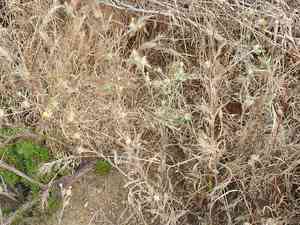
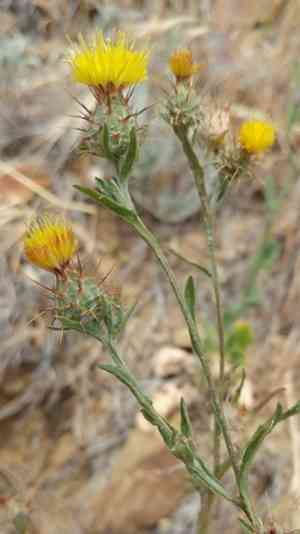
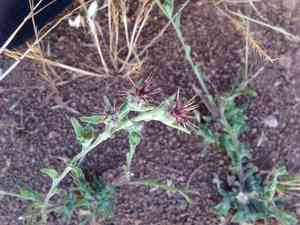
Quickly Identify Maltese Star-Thistle
1
The plant can be identified by its spiny, thistle-like appearance, with yellow flowers that have sharp, spiny bracts. The leaves are lance-shaped and can be lobed or entire.
Scientific Classification of Maltese Star-Thistle
Phylum
Vascular plants
Class
Dicotyledons
Order
Asterales
Family
Daisy
Genus
Centaury
Species
Maltese Star-Thistle
Planting and Growing of Maltese Star-Thistle
Care Difficulty
Easy
Watering Schedule
Every 2 days
Sunlight Requirements
Full sun
Sunshine Duration
4-8 hours
Ideal Temperature
65-75℉
Soil Type
Potting Mix, Peat Mix
Soil pH
6.5-7.5
Fertilizer Type
Balanced
Pruning Season
Spring, Summer
Pruning Area
Branches, Leaves
Pruning Frequency
2 times a year
Repotting Season
Spring
Pot Type
Plastic, Ceramic
 How to Water Maltese Star-Thistle?
For Centaurea melitensis, the amount of water should be moderate; ensure the soil is lightly moist but not soggy. Aim for around 250ml per watering session, making sure the water penetrates the root zone. This allows the roots to absorb adequate moisture without causing waterlogging. Keep these measurements in check to maintain the plant’s health.
What are the symptoms of an underwatered Maltese Star-Thistle?
›
What should I do if my Maltese Star-Thistle is not getting enough water?
›
What are the symptoms of an overwatered Maltese Star-Thistle?
›
How to save an overwatered Maltese Star-Thistle?
›
 What Are the Sunlight Requirements for Maltese Star-Thistle?
Centaurea melitensis ideally flourishes in an environment offering partial to full sun exposure, translating to a light range of 6-10 hours daily. Ideal sunlight not only boosts flower brightness but strengthens plant health and resistance to pests.
More About Sunlight Requirements Techniques→
What type of sunlight is best?
›
How can I achieve this ideal lighting?
›
What are the benefits of ideal lighting?
›
 What Is the Ideal Temperature Range for Maltese Star-Thistle?
The ideal temperature range for growing Centaurea melitensis is between 65°F and 75°F. This range provides a comfortable environment that supports active growth and healthy blooming. Maintaining temperatures within this range ensures that the plant's physiological processes function optimally, promoting robust development.
 What Soil is Best for Maltese Star-Thistle?
Centaurea melitensis thrives in well-drained soils, preventing waterlogging that can lead to root rot. This environment ensures healthy root development, aiding in nutrient uptake. This plant prefers soil with moderate nutrient levels. Overly rich soils can lead to excessive foliage growth at the expense of flowering. Balanced nutrition promotes robust blossoms. Soils with good aeration are ideal for Centaurea melitensis as they ensure sufficient oxygen for root respiration, enhancing plant growth and vitality.
 How to Fertilize Maltese Star-Thistle?
Centaurea melitensis, commonly known as Maltese star-thistle, does not require large amounts of fertilizer. A modest application of liquid fertilizer with a balanced N-P-K ratio of 10-10-10 is typically sufficient. Use about half the manufacturer's recommended dose, as an excess can lead to lanky growth and reduced flowering.
 How to Prune Maltese Star-Thistle?
Begin by identifying and removing dead, diseased, or damaged stems. Look for branches growing inward or crossing, as these can affect air circulation and should be removed to foster a healthy structure. To maintain an appealing shape, trim back long or leggy shoots. Aim to create a balanced, rounded form that allows sunlight to penetrate all sides of the plant, which aids in uniform growth. Perform pruning in the early spring or after flowering in the summer to avoid cutting off new buds unnecessarily. This timing ensures that the plant has enough time to develop new growth before the blooming season.
More About Pruning Techniques→
 How to Propagate Maltese Star-Thistle plant?
1
When the flower heads of Centaurea melitensis have dried, gently remove them and shake out the seeds. Ensure that seeds are collected before any potential rain, which can cause them to germinate or rot.
2
Fill seed trays with a well-draining potting mix, leaving some space at the top for watering. Evenly distribute the seeds on the surface and cover them lightly with a thin layer of soil.
3
Water the seed trays gently using a watering can with a fine rose attachment to avoid displacing the seeds. Maintain a moist environment until germination occurs, which usually happens within two to four weeks.
 How to Repot Maltese Star-Thistle plant?
1
Centaurea melitensis should be repotted when you notice roots emerging from the pot's drainage holes, or when the plant's growth markedly slows down, indicating it has outgrown its current home.
2
Select a pot that is one size larger than the current one, ensuring it has adequate drainage holes. This prevents waterlogging while providing the roots room to spread, aiding healthy growth.
3
Opt for a well-draining potting mix with good aeration. A blend with sand or perlite is ideal, helping to avert root rot while supporting optimal nutrient absorption and hydration.
Learn More About Maltese Star-Thistle Diseases
Anthracnose
Bacterial Leaf Spot
Bacterial Soft Rot
Bacterial Wilt
Chemical Injury
Crown Gall
Cyst Nematode
Damping-off
Downy Mildew
Drought Stress
Fusarium Wilt
Gray Mold
Leaf Curl
Leaf Spot
Mosaic
Nutrient Deficiency
Nutrient Toxicity
Powdery Mildew
Root Rot
Root-knot Nematode
Rusts
Sooty Mold
Spider Mites
Temperature Stress
Thrips Damage
White Mold



