How to Transplant White silk floss tree?
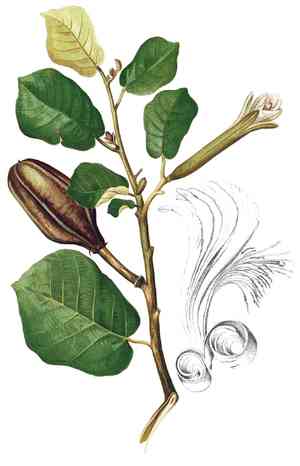
The ideal period for relocating a white silk floss tree is during the vigorous phase of early to late spring, allowing its roots to settle prior to the warmth of summer. Choose a bright spot featuring soil that drains effectively. Careful manipulation is crucial to safeguard the fragile root structure throughout the transfer.
What Preparations are Needed Before Transplanting White Silk Floss Tree?
What is the Ideal Time for Transplanting White Silk Floss Tree?
The optimal period for relocating white silk floss tree is during the mild, nourishing warmth of late spring to early summer. This timing allows white silk floss tree to establish its root system before intense heat, ensuring smooth adaptation. Moving white silk floss tree during this season leverages naturally favorable growing conditions, promoting vigorous development. By transplanting within this window, you provide white silk floss tree the benefit of full summer growth, leading to a more robust and resilient plant.
How Much Space Should You Leave Between White Silk Floss Tree Plants?
When transplanting white silk floss tree, ensure ample distance between each specimen. Ideally, a spacing of approximately 8-10 feet (2.4-3 meters) is perfect. Remember, these plants require room to expand and flourish.
What is the Best Soil Mix for White Silk Floss Tree Transplanting?
The most suitable choice for white silk floss tree is well-draining soil. Incorporate a layer of compost or an organic base fertilizer to enrich the soil. This will supply your plants with the necessary nutrients for strong, healthy growth.
Where Should You Relocate Your White Silk Floss Tree?
Seek out a sunny location in your garden for transplanting your white silk floss tree. They thrive best in full sun to partial shade. Always select a spot where they can receive abundant morning sunlight.
What Equipments Should You Prepare Before Transplantation White Silk Floss Tree?
Gardening Gloves
To safeguard your hands while handling soil and white silk floss tree.
Shovel
For excavating the hole for white silk floss tree's relocation.
Hand Trowel
Useful for extracting the white silk floss tree from its current spot, especially if it's in a pot or seedling tray.
Pruning Shears or Knife
To assist in trimming any dangling or superfluous roots of white silk floss tree.
Watering Can
To irrigate the white silk floss tree after transplantation.
Organic Mulch
To cover the soil surface post-transplantation, aiding in water retention and weed suppression around white silk floss tree.
How Do You Remove White Silk Floss Tree from the Soil?
How Do You Remove White Silk Floss Tree from the Soil?
From Ground: Start by watering the white silk floss tree plant to slightly moisten the soil. Then, using a shovel, carefully dig around the white silk floss tree's root ball, taking care not to harm the roots. Gradually loosen the soil until you can gently lift the plant from its original position.From Pot: If white silk floss tree is already in a pot, turn the pot on its side, hold the white silk floss tree at its base, and try gently tapping the bottom of the pot until the plant slides out. If not, use a hand trowel to systematically loosen the soil along the pot's edges to free white silk floss tree.From Seedling Tray: Gently press the bottom of the seedling cell to extract the white silk floss tree. Ensure you support the plant from its base and avoid pulling from the top to prevent damage.
Step-by-Step Guide for Transplanting White Silk Floss Tree
Preparation
Ensure the transplanting site is ready, then thoroughly water white silk floss tree 2-3 hours before relocation.
Digging
Excavate a hole at the new location, twice the width and equal to the depth of white silk floss tree's root ball.
Placing the Plant
Position white silk floss tree in the new hole. The top of its root ball should be level with the ground surface.
Backfilling
Refill the hole with the excavated soil, ensuring no air pockets remain.
Watering
Immediately after transplanting, thoroughly water white silk floss tree to settle the soil around the roots and aid its establishment in its new home.
How Do You Care For White Silk Floss Tree After Transplanting?
Mulching
Apply a layer of organic mulch around white silk floss tree, keeping it a few inches away from the trunk to safeguard against pests and diseases.
Inspecting
Regularly check white silk floss tree for any indications of shock or stress, such as wilting, yellowing, or drooping.
Pruning
If you observe any dead or withered leaves, prune them to allow white silk floss tree to direct its energy towards new growth.
Watering
Following the initial watering, continue to irrigate white silk floss tree regularly, but permit the top few inches of soil to dry out between waterings.
Patience
Remember, it will take time for white silk floss tree to establish and begin growing in its new environment. Be patient and allow it time.
Troubleshooting Common Issues with White Silk Floss Tree Transplantation.
When is the best time to transplant white silk floss tree?
The optimal period for transplanting white silk floss tree is during seasons two and four. Therefore, aim to replant within these timeframes.
What is the ideal distance to space white silk floss tree when transplanting?
It's best to separate each white silk floss tree by approximately 8-10 feet (2.4-3 meters). They require ample space for vigorous growth!
How deep should I dig when transplanting white silk floss tree?
Prepare a hole twice the size of white silk floss tree's current container. This provides the roots with room to spread and establish quickly.
What soil type is most suitable for white silk floss tree?
White silk floss tree thrives in well-draining soil with a pH level between 6.0 and 7.5. Ensure your chosen site meets this condition.
What care should be taken immediately after transplanting white silk floss tree?
Ensure white silk floss tree is generously watered post-transplant. Continue watering every couple of days if the climate is arid, but prevent waterlogging.
How can I protect white silk floss tree from transplant shock?
Help white silk floss tree recover from transplant stress by keeping it in a semi-shaded area for a week. Gradually introduce it to more sunlight as it acclimates.
What signs should I look for to be sure white silk floss tree has settled into its new spot?
Indicators that white silk floss tree is adapting well include new leaf growth and stem firmness. Absence of wilting is also a positive sign.
How to handle root-bound white silk floss tree during transplanting?
If white silk floss tree's roots are tangled or circling, gently break up the root ball with your fingers. This will encourage outward growth.
Which part of the day is best for transplanting white silk floss tree?
It's best to transplant white silk floss tree early in the morning or late in the afternoon. This helps the plant avoid extreme temperature shock.
Should any fertilizers be applied when transplanting white silk floss tree?
At the time of transplanting, white silk floss tree does not necessarily require fertilizers. In fact, excessive nutrients at once might harm it. Wait 4-6 weeks before the initial feeding.



