How to Prune White silk floss tree?
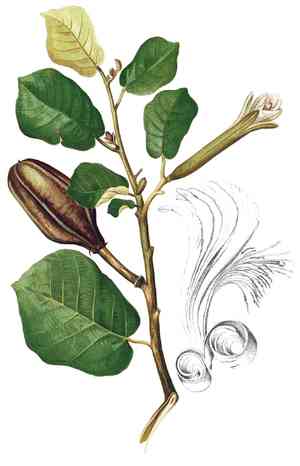
Distinguished by its thorny stem and expansive white blossoms, the white silk floss tree thrives with deliberate trimming to preserve its vitality and aesthetic. Conduct pruning in the latter part of winter or early spring, prior to the emergence of fresh foliage. Eliminate any deceased or ailing limbs, reduce crowded sections to improve light exposure, and sculpt the crown for robust architecture. This horticultural practice not only fosters development but also incites more abundant flowering in following periods. Always employ sanitized, keen implements to execute accurate incisions and prevent harm.
What Are the Benefits of Pruning White Silk Floss Tree?
What Are the Benefits of Pruning White Silk Floss Tree?
Trimming white silk floss tree promotes more vigorous development by stimulating new growth. It also aids in preserving its desired form and dimensions, ensuring white silk floss tree remains an appealing landscape feature.
What Is the Best Time for Pruning White Silk Floss Tree?
What Is the Best Time for Pruning White Silk Floss Tree?
The ideal periods for trimming or cutting white silk floss tree are late winter and early spring. Pruning in late winter allows for the removal of any damaged or diseased branches before the tree's rapid spring growth, which helps conserve its energy for healthy development. This timing also reduces the risk of pathogen entry from cuts, as the tree will soon enter its active growth phase, effectively sealing pruned areas. In early spring, just before new growth begins, white silk floss tree's structure is more visible without leaves, enabling more strategic and efficient pruning. This season also precedes the tree's flowering and fruiting cycles, ensuring that pruning does not interfere with white silk floss tree's natural reproductive process. Trimming during these seasons aligns with white silk floss tree's dormancy and growth patterns, contributing to its health and vitality by fostering a strong structure and enhancing flowering and fruit production in the subsequent growing season.
What Tools Do I Need to Prune White Silk Floss Tree?
Bypass Pruners
Perfect for making clean cuts on smaller branches, typically under 1/2 inch in diameter. Useful for precise thinning and removing suckers or water sprouts from white silk floss tree.
Loppers
These long-handled pruners are excellent for branches up to 1 1/2 inches thick. They offer leverage and reach for trimming the medium-sized branches of white silk floss tree.
Pruning Saw
Essential for larger branches exceeding 1 1/2 inches in diameter. A pruning saw will create cleaner cuts through thicker growth without harming white silk floss tree.
Pole Pruner
When white silk floss tree's height and branch structure are out of reach, a pole pruner provides extended reach for safety and convenience, suitable for branches up to 1 inch in diameter.
Chainsaw
For mature white silk floss tree specimens with very thick branches or for cutting down large limbs, a chainsaw can be utilized. However, it should only be operated by trained individuals due to significant safety risks.
Gloves and Protective Gear
To guard against the thorns present on white silk floss tree's trunk and branches, heavy-duty gloves and protective clothing are crucial when pruning.
Step Ladder
When working on a relatively young or small white silk floss tree, a sturdy step ladder may be necessary to safely access the lower branches.
How to Prune White Silk Floss Tree
Clean and sharpen tools
Ensure all pruning tools are clean and sharp to prevent disease spread and make clean cuts that will heal more quickly on white silk floss tree.
Identify diseased and dead branches
Examine white silk floss tree closely to pinpoint any dead or diseased branches for removal; these typically appear withered, discolored, or show visible fungal growth.
Make diagonal cuts
For diseased branches, make diagonal cuts at a 45-degree angle approximately 1/4 inch above an outward-facing bud, node, or lateral branch, ensuring not to cut into white silk floss tree's collar to promote proper healing.
Remove dead branches
Use pruning shears or a saw for larger branches to carefully remove dead limbs by cutting them back to their origin point or to the nearest live lateral branch without leaving stubs on white silk floss tree.
Disinfect tools after use
After pruning white silk floss tree, sanitize all tools used by wiping them with a solution of 1 part bleach to 9 parts water or using alcohol to prevent disease transmission to other plants.
Common Pruning Mistakes with White Silk Floss Tree
Over-pruning
Removing too much foliage can stress white silk floss tree, leading to poor health and reduced flowering. Less is often more when it comes to pruning.
Improper cutting technique
Incorrect cutting can damage white silk floss tree's bark and branches, inviting disease and pests. Clean, angled cuts are essential for healing and regrowth.
Not cleaning tools
Using dirty pruning tools can spread diseases to white silk floss tree. Always sterilize tools before and after use to maintain plant health.
Ignoring diseased limbs
Failing to remove diseased or damaged limbs can affect white silk floss tree's overall health. Such limbs should be pruned to prevent further disease spread.
Pruning healthy growth
Cutting too much healthy growth can hinder white silk floss tree's development. Focus on removing only what's necessary to shape the tree and promote better air circulation.
Common Pruning Tips for White Silk Floss Tree
Selective pruning
For white silk floss tree, selectively prune to maintain its natural shape. Avoid excessive cutting back to keep its aesthetic and structural integrity.
Sharp tools
Use sharp, clean pruning shears to ensure precise cuts that heal quickly, minimizing stress on white silk floss tree.
Identifying branches
Identify dead, damaged, or crossing branches for removal. This helps white silk floss tree maintain a strong, healthy structure without unnecessary wounds.
Maintaining structure
Aim to maintain a well-spaced, balanced canopy for white silk floss tree that allows light and air penetration, reducing the risk of disease.
Consider timing
Although the best season for pruning is not to be covered here, it is crucial to note the importance of timing and its impact on white silk floss tree's health and bloom cycle.



