The White silk floss tree Plant Advantage: Maximizing Home and Office Appeal and Wellness
1
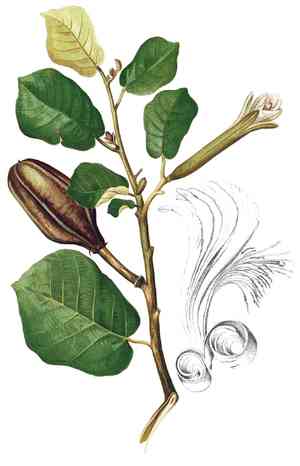
The white silk floss tree yields stunning white blossoms that draw in pollinators.
2
Its fibers have historically served as material for insulation and cushioning.
3
This tree offers significant ecological benefits, including enhancing soil health.
What Makes White silk floss tree Unique?
Aesthetic Appeal
The White silk floss tree is prized for its striking white blooms that appear in large clusters, making it a magnificent decorative tree. These flowers are not only beautiful but also play a vital role in attracting pollinators such as bees and birds. The tree's distinctive bottle-shaped, thorny trunk adds an exotic flair to any landscape, making it a favorite among gardeners and designers.
Adaptability
A remarkable characteristic of the White silk floss tree is its capacity to adapt to diverse climatic conditions. Whether cultivated in a tropical or a more temperate environment, this tree flourishes with little upkeep. Its drought-resistant qualities make it a practical option for areas experiencing water scarcity, enhancing its versatility.
Practical Uses of White silk floss tree
Fibers for Insulation
The fibers produced by the White silk floss tree have historically been utilized for insulation and padding. These natural fibers are lightweight yet incredibly durable, making them suitable for various industrial uses. From filling cushions to providing insulation in construction, the fibers offer a sustainable alternative to synthetic materials.
Soil Improvement
The White silk floss tree significantly contributes to enhancing soil quality. Its fallen leaves and decomposing organic matter enrich the soil with essential nutrients, fostering a healthier growth environment for other plants. Furthermore, the tree's extensive root system aids in preventing soil erosion, thereby supporting land conservation efforts.
Ecological Contributions of White silk floss tree
Habitats for Wildlife
Beyond its human uses, the White silk floss tree offers crucial habitats for various wildlife species. Birds, insects, and small mammals find refuge in its branches and trunk, making it a vital component of local ecosystems. The tree's flowers and fruits serve as food sources, supporting biodiversity.
Carbon Sequestration
The White silk floss tree provides an essential ecological service by absorbing carbon dioxide from the atmosphere. Trees play a critical role in combating climate change, and this tree is no exception. By taking in CO2, it contributes to the reduction of greenhouse gases, thus mitigating the effects of global warming.
How Can You Cultivate White silk floss tree?
Ideal Growing Conditions
To successfully grow the White silk floss tree, it's important to consider its preferred growing conditions. The tree thrives in full sunlight and well-drained soil. While it can endure periods of drought, consistent watering during its initial growth phase will ensure a strong tree. It's also crucial to plant it in an area with ample space for growth, given its considerable size.
Maintenance Tips
Once established, the White silk floss tree requires minimal care. Pruning should be done carefully, focusing on removing dead or damaged branches to encourage healthy growth. Annual fertilization with compost or organic matter will keep the soil nutrient-rich. Vigilance for any signs of pests or diseases will help maintain its pristine condition.
How Does White silk floss tree Benefit Your Garden?
Enhancing Garden Aesthetics
Incorporating the White silk floss tree into your garden can significantly boost its visual appeal. The tree's white flowers add a touch of elegance, while its imposing structure provides depth and character to the space. Whether used as a focal point or integrated with other plants, the White silk floss tree creates a visually stimulating landscape.
Promoting Biodiversity
By planting the White silk floss tree in your garden, you are contributing to local biodiversity. The tree attracts various pollinators and wildlife, establishing a mini-ecosystem within your garden. This not only helps maintain ecological balance but also offers an educational opportunity for observing nature up close.



