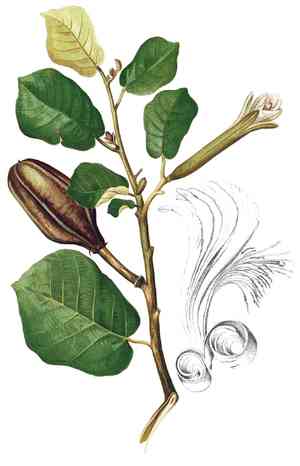
White silk floss tree (Ceiba insignis)
Also known as: Palo Borracho, Drunken Tree
The white silk floss tree (Ceiba insignis) stands out due to its swollen, thorn-covered trunk, which helps it store water and survive in dry conditions. It thrives in the upper canopy of tropical and subtropical deciduous forests. The tree features stunning white flowers that bloom at night, attracting nocturnal pollinators like bats. Its bark fibers have been utilized for making cloth, while the silky fluff surrounding its seeds is commonly used for stuffing cushions and mattresses. Additionally, the wood from this tree has practical uses, including paper pulp production, cork substitutes, and barrel-making.
In This Article
Attributes of White silk floss tree
Lifespan
Perennial
Plant Type
Tree
Plant Height
6 m to 15 m
Spread
6 m to 12 m
Leaf Color
Bright green
Flower Size
8 cm to 10 cm
Flower Color
White Yellow
Images of White silk floss tree
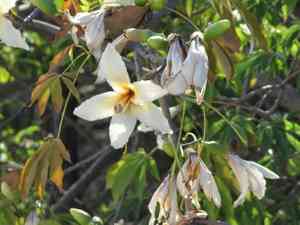
Quickly Identify White silk floss tree
1
Identify Ceiba insignis by its swollen, bottle-shaped trunk covered with spines, its bright green palmate leaves, and its large cream to yellow flowers that resemble hibiscus.
Scientific Classification of White silk floss tree
Phylum
Vascular plants
Class
Dicotyledons
Order
Malvales
Family
Mallow
Genus
Ceiba
Species
White silk floss tree
Planting and Growing of White silk floss tree
Care Difficulty
Easy
Watering Schedule
Every 2 days
Sunlight Requirements
Full sun
Sunshine Duration
4-8 hours
Ideal Temperature
68-86℉
Soil Type
Potting Mix, Peat Mix
Soil pH
6.5-7.5
Fertilizer Type
Balanced
Pruning Season
Spring, Summer
Pruning Area
Branches, Leaves
Pruning Frequency
2 times a year
Repotting Season
Spring
Pot Type
Plastic, Terracotta
 How to Water White silk floss tree?
When watering Ceiba insignis, aim for approximately 500ml per session, adjusting for container size and climate. This amount ensures sufficient hydration without risking waterlogging. Water thoroughly until excess begins to drain, indicating the entire root system has been reached.
What are the symptoms of an underwatered White silk floss tree?
›
What should I do if my White silk floss tree is not getting enough water?
›
What are the symptoms of an overwatered White silk floss tree?
›
How to save an overwatered White silk floss tree?
›
 What Are the Sunlight Requirements for White silk floss tree?
Ceiba insignis prefers full sun, which means at least six to eight hours of direct sunlight daily. This exposure is crucial for strong growth and a healthy, flowering plant.
More About Sunlight Requirements Techniques→
Ideal Light Exposure
›
Solutions for Ideal Lighting
›
Benefits of Ideal Lighting
›
 What Is the Ideal Temperature Range for White silk floss tree?
Ceiba insignis thrives best in a warm environment where temperatures are consistently between 68°F and 86°F. This range provides the optimal condition for photosynthesis and ensures the plant can develop strong structural tissues. In this temperature range, the plant can also maximize nutrient uptake from the soil, leading to healthy growth and a robust defense against pests and diseases.
 What Soil is Best for White silk floss tree?
Ceiba insignis requires well-draining soil to prevent root rot, which can occur if the roots sit in water for too long. Well-draining soil allows excess water to escape quickly, keeping the roots healthy and strong. This kind of soil mimics its natural habitat conditions, supporting robust growth and longevity of the plant. Although relatively adaptable, Ceiba insignis thrives in nutrient-rich soil. Essential nutrients facilitate vigorous growth and abundant flowering. Providing compost or well-rotted manure can enrich the soil, supplying necessary minerals and boosting plant vitality. Ideal conditions for Ceiba insignis include soil with a neutral to slightly alkaline pH, ranging from 6.5 to 7.5. This pH range ensures optimal nutrient accessibility and balanced microbial activity in the soil, supporting overall plant health and development.
 How to Fertilize White silk floss tree?
For Ceiba insignis, the recommended amount of fertilizer is modest due to its naturally thrifty growth habits. It typically requires less fertility enhancement than many other flowering plants. Liquid fertilizers should be diluted to about half the recommended strength on the package, while slow-release granules should be applied sparingly, ensuring not to overwhelm the plant's root system.
 How to Prune White silk floss tree?
Start by removing any dead, diseased, or damaged branches close to the base. Then, focus on thinning out crowded areas, which allows for sunlight penetration and airflow. Use sharp, clean pruning shears to make angled cuts just above healthy buds or branches. Ensure you're trimming back to a lateral branch to encourage new growth and maintain the natural shape of the plant. To maintain the desired shape and size, assess the overall structure of the Ceiba insignis. Select and prune limbs that disrupt the balance or symmetry of the tree. Work systematically, stepping back frequently to gauge the form from different angles. This balanced approach not only enhances the plant's appearance but also supports robust growth patterns.
More About Pruning Techniques→
 How to Propagate White silk floss tree plant?
1
Collect seeds from a mature Ceiba insignis fruit. Allow the seeds to dry in a well-ventilated area before planting. Use a paper bag or cloth to collect seeds as this ensures the seeds are properly aired.
2
Select a healthy branch and use pruning shears to cut a 6-8 inch piece. Remove lower leaves and make a clean cut just below a node. Applying rooting hormone can enhance root development.
3
Fill seed trays with well-draining soil mix and plant seeds or cuttings. Ensure they are spaced adequately and water lightly. Covering the tray with a plastic dome can help in retaining humidity.
 How to Repot White silk floss tree plant?
1
Ceiba insignis should be repotted when it shows signs of outgrowing its current container, such as roots emerging from the bottom or slowed growth. Springtime, when the plant begins its growth period, is ideal for repotting, allowing it ample time to establish in its new pot.
2
Select a pot that is slightly larger than the plant's current one, ideally 2-4 inches in diameter larger. This allows enough room for root expansion without causing the soil to remain soggy, which can lead to root rot. Opt for pots with drainage holes to ensure proper water outflow.
3
Use a well-draining cactus mix enriched with sand or perlite. This prevents water retention, mimicking the plant's natural habitat and ensuring adequate moisture without drowning the roots. The right soil mix aids in healthy root development and supports the plant's structural growth.
Toxicity
Ingestion
WARNING
The judgment on toxicity and danger is for reference only. We DO NOT GUARANTEE any accuracy of such judgment. Therefore, you SHALL NOT rely on such judgment. It is IMPORTANT TO SEEK PROFESSIONAL ADVICE in advance when necessary.
Learn More About White silk floss tree Diseases
Anthracnose
Bacterial Leaf Spot
Bacterial Soft Rot
Bacterial Wilt
Black Spot
Chemical Injury
Crown Gall
Damping-off
Downy Mildew
Drought Stress
Fusarium Wilt
Gray Mold
Leaf Curl
Leaf Spot
Mosaic
Nutrient Deficiency
Nutrient Toxicity
Powdery Mildew
Root Rot
Root-knot Nematode
Rusts
Sooty Mold
Spider Mites
Temperature Stress
Thrips Damage
White Mold



