How to Transplant Pumpwood?
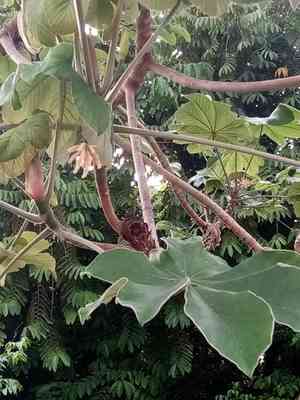
Pumpwood flourishes when relocated during the milder shift from spring to summer, benefiting from accelerated root development. Position it in a bright, adequately drained spot for the best adaptation. Moving it in the early morning minimizes the chance of transplant stress.
What Preparations are Needed Before Transplanting Pumpwood?
What is the Ideal Time for Transplanting Pumpwood?
The best period for relocating pumpwood, a perennial plant, is during late spring to early summer. This timing ensures warmer soil temperatures and consistent moisture levels, promoting strong root development. Moving it during this season maximizes its growth potential and resilience, helping pumpwood flourish in its new location.
How Much Space Should You Leave Between Pumpwood Plants?
When moving pumpwood, ensure each plant is spaced 20-33 feet (6-10 meters) apart. This provides ample room for development and prevents the plants from competing for nutrients and sunlight.
What is the Best Soil Mix for Pumpwood Transplanting?
For pumpwood, select a well-draining, rich soil. Prepare the ground by incorporating compost or aged manure to enhance its texture and nutrient content. A balanced fertilizer, such as 10-10-10, can be lightly mixed into the soil to give the plants a good start.
Where Should You Relocate Your Pumpwood?
Choose a spot that receives full sunlight for most of the day. Pumpwood thrives best in bright, sunny areas, which helps it grow robust and healthy. Ensure the location is free from shadows cast by other tall trees or structures.
What Equipments Should You Prepare Before Transplantation Pumpwood?
Gardening Gloves
To safeguard your hands while handling soil and plants.
Shovel or Spade
Essential for digging and moving earth.
Hand Trowel
Useful for extracting smaller plants from containers or trays.
Pruning Shears
For trimming any damaged roots or foliage.
Watering Can or Hose
To hydrate the plant before and after relocation.
Mulch
To help maintain soil moisture around the newly transplanted pumpwood.
Wheelbarrow
Convenient for transporting the plant and soil.
How Do You Remove Pumpwood from the Soil?
How Do You Remove Pumpwood from the Soil?
From Ground: First, water the pumpwood plant to moisten the soil. Then, dig a wide trench around the plant using a shovel or spade, ensuring the plant's root ball remains intact. Carefully work the spade under the root ball to lift the plant from its original spot.From Pot: Gently tap the sides of the pot to loosen the soil. Invert the pot while supporting the plant with your hand. Carefully slide the pumpwood out, making sure to keep the root ball intact.From Seedling Tray: Use a hand trowel to gently lift the pumpwood seedlings from the tray. Be careful to avoid damaging the roots. It's often helpful to water the seedlings a bit beforehand to ease removal.
Step-by-Step Guide for Transplanting Pumpwood
Prepare the New Site
Mark the spot where you intend to relocate your pumpwood. Dig a hole that is twice as wide and just as deep as the root ball of your pumpwood.
Remove the Plant
Utilize the methods from the removal process section to carefully extract the pumpwood from its original location.
Plant the pumpwood
Place the pumpwood in the center of the hole at the same depth it was originally growing. Ensure the roots are spread out and gently fill in the hole with soil. Pack the soil lightly to eliminate air pockets.
Water Thoroughly
Immediately water the pumpwood thoroughly to help settle the soil around the roots.
Apply Mulch
Spread a 2-3 inch layer of mulch around the base of the pumpwood to help retain moisture and suppress weeds. Make sure the mulch does not touch the stem of the plant to avoid rot.
How Do You Care For Pumpwood After Transplanting?
Watering
Keep the soil around the pumpwood consistently moist, but not waterlogged, for the first few weeks after transplanting to help establish strong roots.
Support
If your pumpwood is tall or floppy, consider staking it to provide support while it establishes itself.
Monitoring
Regularly check the pumpwood for signs of stress such as wilting or yellowing leaves, and adjust care as needed. Also, keep an eye out for pests and diseases.
Troubleshooting Common Issues with Pumpwood Transplantation.
When is the best time to transplant pumpwood?
The best time to transplant pumpwood is late spring to early summer, for optimal growth.
What spacing should I maintain when transplanting pumpwood?
Keep a spacing of 20-33 feet (6-10 meters) between each pumpwood for healthy growth.
Why are my transplanted pumpwood wilting?
Wilting could be due to transplant shock. Watering regularly and providing shade can help.
How deep should I plant pumpwood?
Plant pumpwood at the same depth as it was in its original container or ground.
Should I water pumpwood immediately after transplanting?
Yes, watering immediately helps establish roots and reduces transplant shock.
How can I reduce transplant shock in pumpwood?
Water thoroughly, use mulch, and avoid disturbing the roots to minimize transplant shock.
What soil conditions are ideal for pumpwood after transplanting?
Pumpwood prefers well-drained, fertile soils. Adding compost can improve soil quality.
How much sun does pumpwood need after transplanting?
Pumpwood thrives in full to partial sunlight. Ensure it gets at least 6 hours of sun daily.
What temperature is ideal for transplanting pumpwood?
Transplant pumpwood when temperatures are between 60-75°F (15-24°C) for best results.
Can I fertilize pumpwood immediately after transplanting?
Wait a few weeks before fertilizing to allow pumpwood to establish its roots first.



