How to Propagate Pumpwood?
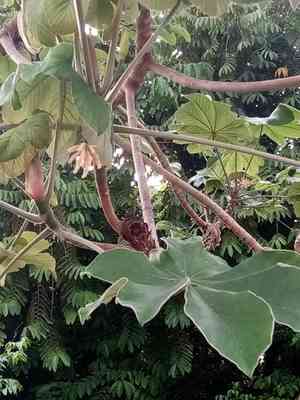
Pumpwood, originating from tropical environments, flourishes in damp, adequately draining soil under filtered sunlight. For successful propagation, sever a semi-hardwood stem segment roughly 6-8 inches in length using a sterile, keen implement. Detach the bottom leaves and immerse the severed tip in rooting compound prior to potting in a vessel containing a blend of peat and sand. Sustain elevated humidity and exercise patience, as root systems will emerge within several weeks.
What Is the Best Time To Propagate Pumpwood?
Propagation Type
Cutting
Propagation Season
Autumn,Winter
What Tools Are Used in Pumpwood Propagation?
Pruning Shears
Pruning shears are vital for obtaining healthy pumpwood cuttings. They ensure clean cuts on stems, minimizing harm to the parent plant and boosting the likelihood of successful root formation in the cuttings.
Rooting Hormone
Rooting hormone is applied to the severed ends of pumpwood to encourage quicker and more robust root growth. This is particularly important for improving the rooting success rate in cuttings taken from this species.
Cutting Board
A sanitized cutting board offers a clean and stable surface for making precise cuts on pumpwood stems. Utilizing a clean board helps prevent the spread of diseases or infections to the cuttings.
Propagation Trays
These trays are utilized to hold multiple pumpwood cuttings in a regulated environment. They aid in organizing the cuttings and providing consistent conditions for root development, ensuring each cutting receives adequate light, moisture, and airflow.
Humidity Dome
A humidity dome placed over the propagation trays helps maintain elevated humidity levels, which are crucial for preventing the cuttings from drying out and aiding in root formation. The dome creates a mini-greenhouse effect, ensuring optimal growing conditions.
Sterilizing Solution
A sterilizing solution is employed to cleanse tools and surfaces involved in the pumpwood propagation process. This reduces the risk of pathogens and diseases that could harm the cuttings.
Mist Spray Bottle
A mist spray bottle is used to keep the leaves of pumpwood cuttings moist. Regular misting helps maintain the necessary humidity around the cuttings without over-watering, which can lead to rot.
Heat Mat
A heat mat positioned beneath the propagation trays provides consistent bottom warmth, which stimulates root growth by keeping the soil at an optimal temperature for pumpwood. This is especially beneficial in cooler environments.
Potting Mix
A well-draining potting mix specifically formulated for cuttings ensures that pumpwood cuttings have the right balance of moisture and aeration. This promotes healthy root development and prevents waterlogged conditions that can cause rot.
How to Propagate Pumpwood?
Propagation Type
Moderately Difficult
How to Care for Your Newly Propagated Pumpwood?
How to Care for Your Newly Propagated Pumpwood?
After successful root development, gradually introduce pumpwood to brighter light. Transplant it into a larger container or suitable outdoor spot with well-draining soil. Maintain moderate humidity, avoid waterlogging, and shield from strong winds. Regularly check for pests and provide balanced fertilizer during active growth.
Common Mistakes to Avoid When Propagating Pumpwood
Overwatering
Excessive moisture can lead to root rot and fungal diseases, which are detrimental to pumpwood's overall health and propagation success.
Poor Soil Drainage
Using soil that does not drain well can cause water accumulation, harming the roots and impeding plant growth.
Incorrect Light Exposure
Providing either too much or too little sunlight can stress pumpwood, affecting its development and vigor.
Neglecting Humidity
Failing to maintain adequate humidity levels can result in poor leaf health and slow propagation rates.
Improper Cutting Techniques
Using blunt or unsterilized tools can introduce infections and decrease the chances of successful rooting.
Tips For Propagating Pumpwood
Use Well-Draining Soil
Select a soil mix that promotes efficient water drainage to prevent root rot.
Control Watering
Keep the soil consistently moist but not waterlogged. Check soil moisture regularly to avoid overwatering.
Ensure Proper Light
Place pumpwood in a location with indirect but bright sunlight to facilitate healthy growth without causing leaf burn.
Maintain High Humidity
Use a humidity tray or mist the plant regularly to keep humidity levels optimal for pumpwood's growth.
Sterilize Tools
Always use sharp and sterilized equipment for cutting to reduce the risk of infection and enhance rooting success.
Use Rooting Hormone
Applying a rooting hormone to cuttings can improve the chances of successful root development in pumpwood.



