How to Prune Pumpwood?
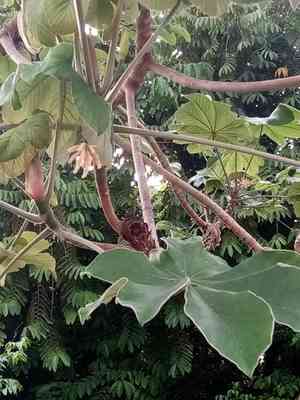
Pumpwood is a rapidly developing tropical arboreal species recognized for its expansive, hand-shaped foliage. Essential trimming methods involve excising deceased or compromised limbs, reducing congested sections, and sculpting for visual appeal. The most suitable period for pruning spans from late winter to early spring, coinciding with the plant's inactive stage to lessen strain. Consistent trimming aids in managing dimensions, fostering robust development, and diminishing pest outbreaks. Always utilize sanitized, keen implements to avert pathogen dissemination.
What Are the Benefits of Pruning Pumpwood?
What Are the Benefits of Pruning Pumpwood?
Trimming pumpwood encourages robust development and maintains its form, ensuring a manageable size. It boosts resistance to pests and illnesses, enhancing its overall look and vitality. Pruning pumpwood fosters healthier, stronger plants by allowing better light penetration and air circulation.
What Is the Best Time for Pruning Pumpwood?
What Is the Best Time for Pruning Pumpwood?
Pruning pumpwood in late winter or early spring is optimal as this period coincides with the plant's dormant state. During this time, pumpwood is less vulnerable to stress and potential harm, allowing it to recover more effectively and stimulating vigorous new growth. Furthermore, pruning before the growing season ensures that removing unwanted branches does not disrupt pumpwood's flowering or fruiting cycles, ultimately improving its overall health and productivity.
What Tools Do I Need to Prune Pumpwood?
Hand Pruners
Perfect for snipping small, slender branches and new shoots. They offer precision and are easy to handle.
Lopping Shears
Useful for cutting thicker branches that are too large for hand pruners but not excessively thick. They provide improved leverage.
Pruning Saw
Essential for cutting larger, more established branches. A pruning saw can manage more significant cuts without harming the plant.
Pole Pruner
Enables gardeners to reach and trim higher branches safely without needing a ladder. This is particularly beneficial given pumpwood's potential height.
How to Prune Pumpwood
Identify
Examine pumpwood for dead or diseased branches by looking for discoloration, brittleness, or signs of infection such as cankers or mold.
Sanitize
Before making any cuts, sanitize your pruning tools with a solution of one part bleach to nine parts water to prevent disease spread.
Remove dead branches
Cut dead branches completely back to healthy tissue or to the main trunk using sharp, clean pruning shears or a saw. Make clean cuts to promote healing.
Remove diseased branches
Prune diseased branches by cutting at least 6 inches below the visible signs of disease to ensure all affected tissue is removed. Disinfect tools between each cut.
Dispose
Dispose of removed branches and any fallen debris away from the area, preferably by burning or sealing in bags to prevent re-infection.
Common Pruning Mistakes with Pumpwood
Over-pruning
Removing too many branches can stress pumpwood and hinder its growth.
Improper Cutting Technique
Using dull or inappropriate tools can cause ragged cuts, leading to disease and pest infestation.
Pruning During Dormant Phase
Pruning when the plant is not actively growing can reduce its vigor and leave it susceptible to pests and diseases.
Ignoring Plant Shape
Not considering the natural shape of pumpwood can lead to an awkward or unhealthy growth pattern.
Common Pruning Tips for Pumpwood
Use Sharp Tools
Ensure all pruning tools are sharp and clean to make precise cuts and minimize damage.
Follow the Natural Shape
Always prune in a way that maintains the plant’s natural form to promote healthy growth.
Minimal Pruning
Only remove dead or diseased branches and those that are misaligned or crossing each other, avoiding excessive pruning.
Clean Cuts
Make clean cuts at a slight angle to prevent water from accumulating and causing decay.
Regular Inspection
Inspect the plant regularly to identify and remove any problematic branches before they become an issue.



