How to Transplant Redheart?
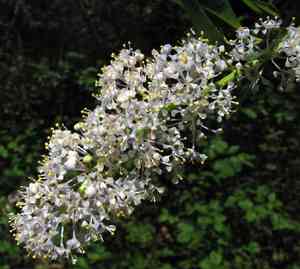
For redheart, the ideal period for relocation is from the beginning to the end of summer, which aids the plant in settling prior to colder seasons. Select a bright, adequately drained spot with infrequent disruption. Should it be necessary, irrigate sparingly to lessen the stress of transplanting.
What Preparations are Needed Before Transplanting Redheart?
What is the Ideal Time for Transplanting Redheart?
Redheart should ideally be moved from early to late summer. This timeframe allows for excellent root development due to warmer ground temperatures and consistent moisture. Relocating during this period boosts the plant's resilience and growth, providing a strong start before winter.
How Much Space Should You Leave Between Redheart Plants?
When relocating redheart, ensure each plant has ample room to expand. Ideally, position each plant 5-10 feet apart (1.5-3 meters). This provides sufficient space for their root systems and prevents overcrowding.
What is the Best Soil Mix for Redheart Transplanting?
For redheart, select well-draining soil with a slightly acidic to neutral pH. Incorporate compost or a balanced base fertilizer to enrich the soil prior to transplanting. This guarantees the plant receives the necessary nutrients to flourish.
Where Should You Relocate Your Redheart?
Place redheart in an area that receives full sun, meaning approximately 6-8 hours of direct sunlight daily. This promotes robust and healthy plant growth. Choose a location not excessively shaded by structures or other vegetation.
What Equipments Should You Prepare Before Transplantation Redheart?
Gardening Gloves
To safeguard your hands while handling soil and the plant.
Garden Spade or Shovel
To excavate around and extract the plant from its initial spot, and to dig the new planting hole.
Pruning Shears
To trim any damaged roots or excessive foliage.
Watering Can or Hose
To keep the plant hydrated before and after relocation.
Wheelbarrow
To move the plant from its original position to the new site, especially if it's large.
Tarp or Plastic Sheet
To collect and transfer soil during digging, for easy cleanup.
Mulch
To aid in moisture retention and protect the plant's roots post-transplanting.
Stakes and Ties
For supporting the plant if it is tall or susceptible to being blown over by wind.
How Do You Remove Redheart from the Soil?
How Do You Remove Redheart from the Soil?
From Ground: First, water the redheart plant to moisten the soil. Then, dig a wide trench around the plant using a shovel or spade, ensuring the plant's root ball remains intact. Carefully work the spade beneath the root ball to lift the plant from its original location.From Pot: Water the redheart plant thoroughly to facilitate easier soil release. Gently tilt the pot on its side and tap the bottom to loosen the root ball. Carefully slide the plant out, supporting the root ball with your hands.From Seedling Tray: Water the redheart seedling and gently compress the tray cells to loosen the soil. Use a small tool or your fingers to carefully extract the seedling, taking care not to harm the roots.
Step-by-Step Guide for Transplanting Redheart
Preparation
Gather all necessary tools and ensure the new planting site is prepared.
Digging the New Hole
Excavate a hole at the new location that is twice as wide and as deep as the redheart plant's root ball.
Amending the Soil
If required, blend some compost or organic material into the soil that will fill the hole.
Placing the Plant
Carefully position the redheart plant in the center of the hole, ensuring it is at the same depth as it was in its previous spot.
Adding Soil
Backfill the hole with soil, gently firming it around the root ball. Confirm there are no air pockets.
Watering
Water the redheart plant thoroughly to help settle the soil and eliminate any remaining air pockets.
Mulching
Apply a layer of mulch around the plant's base to retain moisture and regulate soil temperature.
Supporting
If necessary, use stakes and ties to provide support for the redheart plant, especially if it is tall or situated in a windy area.
How Do You Care For Redheart After Transplanting?
Watering
Keep the soil around the redheart consistently damp, but not waterlogged, for the initial weeks post-transplanting to aid in strong root establishment.
Monitoring
Regularly inspect the plant for indications of stress or pests. Address issues promptly to ensure healthy development.
Mulching
Reapply mulch as needed to maintain a consistent layer around the plant, assisting with moisture retention and weed control.
Pruning
Trim any damaged or dead branches to encourage healthy new growth and preserve the plant's form.
Fertilizing
Wait a few weeks before fertilizing to allow the plant to acclimate to its new environment. Use a balanced fertilizer suitable for redheart plants.
Troubleshooting Common Issues with Redheart Transplantation.
When is the best time to transplant redheart?
Relocate redheart during early to late summer for optimal growth.
How much spacing should redheart plants have?
Space redheart plants 5-10 feet (1.5-3 meters) apart for healthy development.
What type of soil works best for redheart?
Redheart thrives in well-drained soil, preferably sandy or loamy.
How can I ensure the roots of redheart are not damaged?
Dig around redheart carefully, lifting the entire root ball intact.
How deep should the hole be for transplanting redheart?
Make the hole as deep as the root ball and twice as wide.
What is the ideal watering schedule after transplanting redheart?
Water redheart once a week, ensuring soil remains moist but not waterlogged.
Do I need to fertilize redheart after transplanting?
Avoid fertilizing immediately after transplanting; wait a few weeks for the plant to stabilize.
How to protect redheart from transplant shock?
Water thoroughly immediately after transplanting and add mulch to retain moisture.
Can I transplant redheart in full sun?
Redheart prefers full sun but ensure it acclimates gradually to avoid stress.
How long does it take for redheart to establish after transplanting?
It typically takes several weeks for redheart to establish and show new growth.



