How to Propagate Redheart?
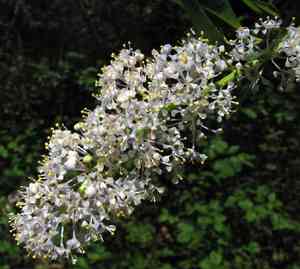
Redheart is a bushy plant recognized for its appealing crimson stalks and groupings of tiny blossoms. To propagate, sever robust semi-hardwood branches during their active development period. Make the cut beneath a joint, apply a rooting stimulant, and embed it in a potting blend that drains effectively. Maintain moisture for the cutting until roots emerge to guarantee thriving development.
Optimal Time for Redheart Propagation
Propagation Method
Cutting
Propagation Period
Spring,Summer
Tools for Redheart Propagation
Pruning Shears
Crucial for obtaining redheart cuttings. Sharp, high-quality pruning shears ensure clean cuts, minimizing plant stress and encouraging faster rooting. Stainless steel blades are particularly good for preventing disease spread.
Rooting Hormone
Facilitates successful rooting of cuttings by stimulating root development. Especially beneficial for redheart, as it boosts propagation success rates. Available as powder or gel, applied to the cut end prior to planting.
Propagation Trays
Offer an ideal environment for cuttings regarding moisture and temperature. Trays with clear lids can create a mini-greenhouse effect, vital for maintaining humidity for redheart.
Sterile Growing Medium
Guarantees a disease-free setting for cuttings. A blend of perlite and peat moss or coco coir works well for redheart, providing good air circulation and moisture retention.
Misting Bottle
Maintains necessary humidity levels around cuttings without excessive watering. Regular misting prevents drying out and creates favorable conditions for redheart to root effectively.
Heat Mat
Delivers consistent warmth from below, which speeds up root formation. Redheart benefits from a slight increase in soil temperature, especially in cooler climates or off-peak seasons.
Labels and Markers
Helps keep track of various cuttings and their propagation dates. Proper labeling ensures organized monitoring and precise care for redheart.
Clean Knife or Scalpel
Used for precise cuts when accuracy is needed, such as trimming cutting bases or removing leaves. A sterile, sharp knife prevents plant tissue damage and lowers infection risk.
How to Propagate Redheart?
Propagation Type
Moderately Difficult
Caring for Your Newly Propagated Redheart
Caring for Your Newly Propagated Redheart
Once roots have formed and new growth is visible, gradually introduce the young plants to normal humidity by removing the plastic cover. Transplant the rooted cuttings into individual pots containing a well-draining soil mix. Water the plants regularly, allowing the soil to dry slightly between waterings. Position the pots in a sunny spot with good air circulation, and shield the young plants from extreme temperatures and frost.
Common Mistakes to Avoid When Propagating Redheart
Overwatering
Excessive moisture can lead to root rot, which is harmful to redheart's survival and growth. Ensuring well-drained soil is essential.
Incorrect Soil Type
Using overly rich soil can hinder drainage and result in poor growth. Redheart thrives in well-drained, rocky or sandy soils.
Improper Seed Treatment
Failure to properly treat seeds before planting can lead to low germination rates. Redheart's seeds often require scarification to break dormancy.
Neglecting Sunlight Needs
Placing redheart in shaded or low-light conditions can impede its growth. This plant requires ample sunlight to flourish.
Too Much Fertilizer
Over-fertilizing can cause nutrient imbalances and harm redheart's growth. This plant is adapted to nutrient-poor soils.
Tips For Propagating Redheart
Ensure Well-Drained Soil
Use a mix of sand or gravel with standard potting soil to mimic redheart's natural environment and prevent root rot.
Scarify Seeds
Physically nick or abrade the seed coat, or soak seeds in warm water before planting to improve germination rates.
Provide Full Sun
Place redheart where it will receive abundant sunlight to promote healthy growth and development.
Minimal Fertilizer
Use fertilizer sparingly. Redheart prefers nutrient-poor soils, so over-fertilizing can be counterproductive.
Consistent Watering
Water moderately, ensuring the soil dries out between watering to prevent fungal issues and root rot.



