How to Prune Redheart?
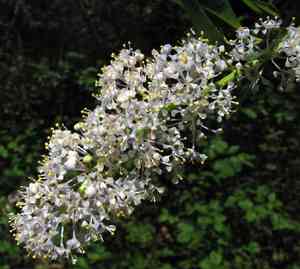
Recognized for its thorny stems and vivid flowers, redheart thrives with trimming in early spring prior to the emergence of new shoots. Concentrate on eliminating lifeless or frail branches to foster air movement and sculpt the plant. Consistent trimming can boost flowering and avert excessive growth. Verify that cuts are precise and executed at a gentle incline to avert moisture harm. The most effective pruning period corresponds with its developmental phase to lessen strain and encourage robust well-being.
What Are the Benefits of Pruning Redheart?
What Are the Benefits of Pruning Redheart?
Redheart thrives with trimming, leading to more vigorous development and shape retention. Pruning boosts air flow, lowers disease risks, and fosters healthier leaves. Proper trimming also encourages better blooms, making redheart more visually appealing.
What Is the Best Time for Pruning Redheart?
What Is the Best Time for Pruning Redheart?
Trimming redheart in early spring is ideal as it aligns with the plant's growth cycle, ensuring minimal disturbance and stress. Early spring pruning helps remove winter-damaged branches and stimulates new growth before the plant enters its active growing and flowering phase. This timing also allows for shaping and maintaining redheart's desired size and form, ultimately supporting its overall health and vitality.
What Tools Do I Need to Prune Redheart?
Bypass Pruners
Perfect for making clean cuts on living wood without crushing stems. Excellent for branches up to 1/2 inch thick.
Loppers
Suitable for larger branches, up to 1-2 inches in diameter. Provides greater leverage for thicker growth.
Pruning Saw
Necessary for cutting branches exceeding 2 inches in diameter. Ensures precise cuts without harming the plant.
Gloves
Essential for protection against the plant's thorns and for a firmer grip on tools.
How to Prune Redheart
Inspection
Carefully examine redheart to identify parts requiring pruning, focusing on detecting diseased leaves, withered leaves, dead branches, and infected branches.
Tools
Prepare sanitized pruning shears to prevent pathogen spread when cutting through diseased or damaged plant parts.
Diseased Leaves
Remove any diseased leaves from redheart by cutting them at the base of the leaf stem to prevent further infection.
Dead Branches
Cut away dead branches, making cuts at least a few inches into live wood to ensure all dead tissue is removed. Check for signs of life in the wood by looking for green, moist tissue beneath the bark.
Diseased Branches
Prune diseased branches back to healthy wood, ensuring cuts are made below the infection point to prevent recurrence; sterilize shears between cuts to avoid spreading disease.
Common Pruning Mistakes with Redheart
Over-Pruning
Removing too much foliage can stress redheart, impacting its growth and blooming potential. Aim to remove no more than 20-30% of the plant at a time.
Improper Cuts
Making cuts too close to the main stem or leaving too much of a stub can invite disease and pests. Ensure clean, angled cuts just above a bud or lateral branch.
Pruning at the Wrong Time
Pruning at an incorrect growth stage can lead to reduced flowering and potential disease. Timing is crucial for maintaining vigor and aesthetics.
Ignoring Dead or Diseased Wood
Failing to remove dead or diseased branches can allow pathogens to spread, further harming redheart. Regularly inspect and remove any compromised wood.
Common Pruning Tips for Redheart
Selective Thinning
Selectively thin out crowded branches to enhance air circulation and sunlight penetration. This helps reduce the risk of fungal infections and promotes healthier growth.
Maintenance Pruning
Perform light maintenance pruning regularly to remove any dead, damaged, or diseased wood. This helps keep redheart healthy and attractive year-round.
Rejuvenation Pruning
Occasionally, consider rejuvenation pruning by cutting back older stems to encourage new growth. This should be done sparingly to avoid overly stressing the plant.
Use Sharp Tools
Always use sharp, clean pruning tools to make precise cuts and minimize the risk of introducing pathogens. Clean tools between cuts to prevent disease transmission.
Prune for Shape
Prune redheart to maintain a desirable shape, ensuring a balanced and aesthetically pleasing appearance. Remove any branches that detract from the plant's natural form.



