How to Transplant Parry ceanothus?
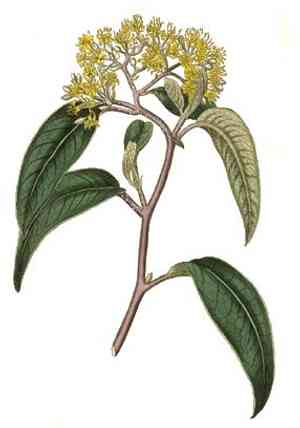
Parry ceanothus ought to be moved between early and late spring, utilizing the more temperate climate. Place it in direct sunlight within permeable soil for peak development. Only re-pot if essential to preserve its sturdy form and thriving condition.
What Preparations are Needed Before Transplanting Parry Ceanothus?
What is the Ideal Time for Transplanting Parry Ceanothus?
The best time to move parry ceanothus is during early to late spring. This period offers mild temperatures and ample moisture, which promotes robust root development. Relocating parry ceanothus at this time also minimizes stress and allows the plant to acclimate before summer's heat.
How Much Space Should You Leave Between Parry Ceanothus Plants?
When planting your parry ceanothus, position each plant 3-5 feet (0.9-1.5 meters) apart. This provides sufficient room for growth and air circulation, leading to healthier plants.
What is the Best Soil Mix for Parry Ceanothus Transplanting?
For your parry ceanothus, utilize well-draining soil with a sandy or loamy consistency. Prior to planting, incorporate some compost or a balanced slow-release fertilizer to supply vital nutrients.
Where Should You Relocate Your Parry Ceanothus?
Find a sunny spot in your garden for your parry ceanothus. Aim for full sun exposure, meaning at least 6 hours of direct sunlight daily for optimal development.
What Equipments Should You Prepare Before Transplantation Parry Ceanothus?
Gardening Gloves
To safeguard your hands while handling soil and the plant.
Shovel or Spade
For excavating the hole and extracting the parry ceanothus from its initial spot.
Hand Trowel
Useful for digging smaller holes if necessary.
Watering Can or Hose
For hydrating the plant before and after its relocation.
Garden Fork
To loosen the soil around the plant and its new site.
Wheelbarrow
Helpful if you need to move the plant over a greater distance.
Mulch
To aid in moisture retention and protect the plant post-transplant.
How Do You Remove Parry Ceanothus from the Soil?
How Do You Remove Parry Ceanothus from the Soil?
From Ground: First, water the parry ceanothus to moisten the soil. Then, dig a wide trench around the plant using a shovel or spade, ensuring the root ball stays intact. Carefully work the spade beneath the root ball to lift the plant from its original position.From Pot: Water the parry ceanothus thoroughly. Gently squeeze the pot's sides to loosen the soil, then tilt the pot and carefully slide the plant out, supporting the root ball with your hand.From Seedling Tray: Water the parry ceanothus lightly. Use a small hand trowel or your fingers to gently separate each seedling from the tray, taking care not to harm the roots. Lift seedlings by their leaves, not stems, to prevent damage.
Step-by-Step Guide for Transplanting Parry Ceanothus
Site Preparation
Prepare the new planting location by digging a hole twice as wide and the same depth as the parry ceanothus's root ball. Ensure the surrounding soil is loosened, which will facilitate easier root establishment.
Soil Preparation
If required, amend the soil in the planting hole with compost to enhance drainage and fertility. Mix it thoroughly with the existing soil.
Plant Placement
Position the parry ceanothus into the hole, making sure the top of the root ball is level with or slightly above the ground surface. Backfill the hole with soil, gently tamping down to eliminate air pockets.
Watering
Water the parry ceanothus thoroughly after planting to help settle the soil and remove any remaining air pockets. Ensure the soil is uniformly moist.
Mulching
Apply a layer of mulch around the base of the parry ceanothus, being careful not to pile it against the plant's stem. Mulch aids in retaining moisture and regulating soil temperature.
How Do You Care For Parry Ceanothus After Transplanting?
Watering
Keep the soil around the parry ceanothus consistently damp, but not waterlogged, for the initial few weeks post-transplant to encourage strong root development.
Monitoring
Regularly inspect the parry ceanothus for any indications of stress, such as wilting or yellowing foliage. Address any issues promptly if they emerge.
Pruning
Remove any dead or damaged leaves to promote healthy growth and lessen stress on the plant.
Supporting
If necessary, provide support for the parry ceanothus with stakes or ties until it firmly establishes itself in its new spot.
Troubleshooting Common Issues with Parry Ceanothus Transplantation.
When is the best time to transplant parry ceanothus?
Relocate parry ceanothus from early spring to late spring for optimal outcomes.
How much space should I leave between plants?
Ensure 3-5 feet (about 1-1.5 meters) between each parry ceanothus plant during relocation.
What type of soil does parry ceanothus prefer?
Parry ceanothus thrives in well-draining soil with a pH range of 6.0-7.5.
How do I prepare the planting hole for parry ceanothus?
Dig a hole twice as wide and the same depth as the root ball.
Should I water parry ceanothus immediately after transplanting?
Yes, water thoroughly after transplanting to help parry ceanothus establish roots in its new location.
How often should parry ceanothus be watered post-transplant?
Water parry ceanothus once a week, ensuring the soil remains moist but not waterlogged.
Can I transplant parry ceanothus during summer or winter?
It's best to avoid relocating parry ceanothus during summer or winter to prevent stress on the plant.
Is mulching necessary after transplanting parry ceanothus?
Yes, apply a 2-inch (5 cm) layer of mulch to retain soil moisture and regulate temperature.
What should I do if parry ceanothus leaves wilt after transplanting?
Wilting leaves may indicate shock. Ensure proper watering and avoid direct sunlight until recovered.
Is it beneficial to prune parry ceanothus after transplanting?
Light pruning can help parry ceanothus focus energy on root establishment rather than foliage growth.



