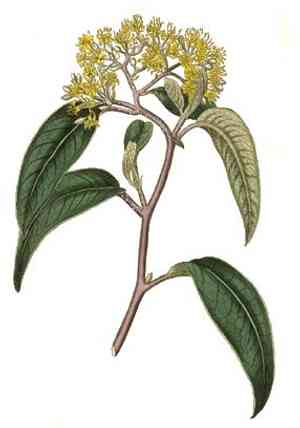
Parry ceanothus (Ceanothus parryi)
Also known as: Parry's ceanothus, Parry ceanothus
Ceanothus parryi is a native flowering shrub that flourishes on California's arid slopes. This resilient plant, growing up to 2 meters tall, features small, dark evergreen leaves. In the spring, it showcases clusters of pale blue to lavender blossoms that draw numerous pollinators. Ideal for full sun and well-drained soil, Ceanothus parryi exemplifies the toughness of the chaparral ecosystem.
In This Article
Attributes of Parry ceanothus
Lifespan
Perennial
Plant Type
Shrub
Plant Height
4 to 9 feet (1.2 to 2.7 meters)
Spread
6 to 12 feet (1.8 to 3.6 meters)
Leaf Color
Dark green
Flower Size
0.25 inches (0.6 cm)
Flower Color
Bright blue
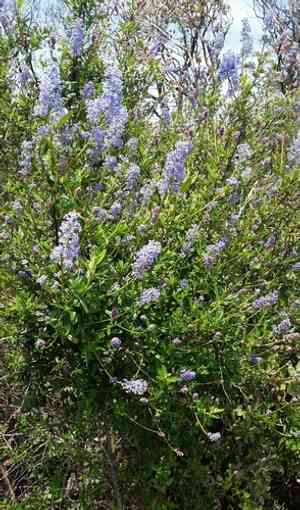
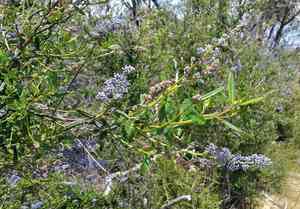
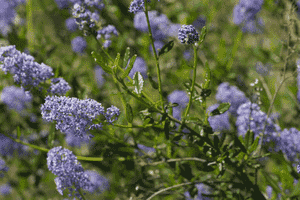
Images of Parry ceanothus
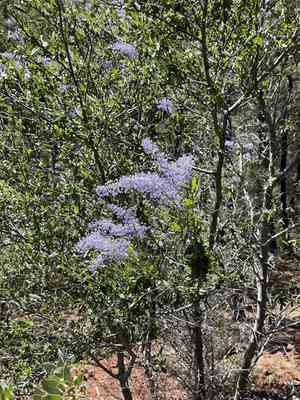
Quickly Identify Parry ceanothus
1
Identify Ceanothus parryi by its small, oval, and serrated leaves that are dark green on the top and light green beneath. Its clusters of bright blue flowers bloom in spring and are highly distinctive.
Scientific Classification of Parry ceanothus
Phylum
Vascular plants
Class
Dicotyledons
Order
Rosales
Family
Buckthorn
Genus
Redroots
Species
Parry ceanothus
Planting and Growing of Parry ceanothus
Care Difficulty
Moderate
Watering Schedule
Every 2 days
Sunlight Requirements
Full sun
Sunshine Duration
6-10 hours
Ideal Temperature
50-77℉
Soil Type
Potting Mix, Peat Mix
Soil pH
6.5-7.5
Fertilizer Type
Balanced
Pruning Season
Spring, Summer
Pruning Area
Branches, Leaves
Pruning Frequency
2 times a year
Repotting Season
Spring
Pot Type
Plastic, Ceramic
 How to Water Parry ceanothus?
Ceanothus parryi thrives on a watering principle that mimics its natural dry habitat. Aim to provide approximately 500 milliliters per session. Ensure the water thoroughly reaches the root zone, but avoid oversaturation, maintaining a delicate balance to encourage robust growth.
What are the symptoms of an underwatered Parry ceanothus?
›
What should I do if my Parry ceanothus is not getting enough water?
›
What are the symptoms of an overwatered Parry ceanothus?
›
How to save an overwatered Parry ceanothus?
›
 What Are the Sunlight Requirements for Parry ceanothus?
Ceanothus parryi ideally thrives in full to partial sunlight. This range supports healthy growth, vibrant coloring, and a prolific flowering season.
What is the ideal lighting condition for Ceanothus parryi?
›
How to provide ideal lighting conditions for Ceanothus parryi?
›
What benefits does ideal lighting bring to Ceanothus parryi?
›
 What Is the Ideal Temperature Range for Parry ceanothus?
The ideal temperature range for cultivating Ceanothus parryi is between 50°F and 77°F. This range allows the plant to thrive, maintaining its natural growth patterns and reducing stress. Temperatures within this range ensure that the plant's physiological processes, such as photosynthesis and respiration, occur efficiently, providing robust growth and vibrant foliage.
 What Soil is Best for Parry ceanothus?
Ceanothus parryi thrives in well-draining soil, which prevents root rot by allowing excess water to flow away. This is particularly important since it naturally grows in areas that don't retain water. Ensuring good drainage enables the plant to absorb just enough moisture and nutrients without drowning its roots, promoting healthier growth. While Ceanothus parryi can survive in poor soils, it appreciates a nutrient-rich substrate that enhances its growth and flowering. Providing a balanced, nutrient-rich soil helps the plant develop a robust structure, resulting in more vibrant and plentiful blooms. This also fortifies the plant against pests and diseases. Ceanothus parryi prefers a slightly acidic to neutral soil pH, ranging from 6.5 to 7.5. Maintaining the proper pH level ensures optimal nutrient availability and prevents root damage caused by overly acidic or alkaline conditions, fostering a healthy environment for growth.
 How to Fertilize Parry ceanothus?
For Ceanothus parryi, a moderate amount of fertilizer is recommended. Use approximately 1/2 cup of liquid fertilizer per application during the growing season to promote healthy growth. Ensure the nutrient balance is suitable for native species, focusing on nitrogen, phosphorus, and potassium.
 How to Prune Parry ceanothus?
To effectively prune Ceanothus parryi, start by removing dead, damaged, or crossing branches primarily from the outer canopy. By cutting branches back to a healthy growth point just above the node, you will encourage new growth and a bushier appearance. Utilize sharp pruning shears for clean cuts, which help prevent damage to the plant. Trim back excessive growth to maintain a pleasing shape while opening the center of the plant slightly to improve air circulation. This not only keeps the plant looking tidy but also reduces the risk of fungal diseases. Fine-tune the shape by selectively shortening any overly long branches.
More About Pruning Techniques→
 How to Propagate Parry ceanothus plant?
1
Begin by collecting mature seeds from a healthy Ceanothus parryi plant. Clean them thoroughly to remove any pulp and let them dry before sowing.
2
Collect semi-hardwood cuttings from the plant during the early morning when they are most turgid. Remove any leaves from the lower half and dip the ends in rooting hormone.
3
Plant the seeds or cuttings in a well-draining soil mix. Water lightly to moisten the soil, but avoid overwatering as this may lead to rot.
 How to Repot Parry ceanothus plant?
1
Ceanothus parryi shows signals for repotting when its roots begin to peek out of the drainage holes or when you notice a slowdown in growth despite optimal conditions. Repot during spring for the best results, as the plant benefits from the active growth period.
2
Choose a pot that is slightly larger than the current one, but ensures good drainage. Clay or terracotta pots are often a good choice because they allow the soil to dry more effectively, which suits the plant's preference for less consistent moisture levels.
3
Opt for well-draining sandy loam to mimic the native habitat of Ceanothus parryi. This type of soil prevents waterlogging, providing adequate aeration to the roots and supporting the plant's natural resistance to root rot.



