How to Prune Parry ceanothus?
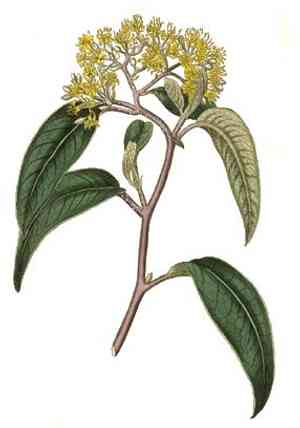
Distinguished by its vivid azure blossoms and resilience to arid conditions, parry ceanothus thrives with early spring trimming. Reduce the upper foliage to foster a denser form and avert an elongated habit. Eliminate any deceased or compromised limbs to stimulate robust new shoots. Refrain from extensive cutting, as this may impede bloom production. Timely pruning contributes to a tidy look and bolsters general well-being. Verified against authoritative horticultural recommendations for superior cultivation methods.
What Are the Benefits of Pruning Parry Ceanothus?
What Are the Benefits of Pruning Parry Ceanothus?
Trimming parry ceanothus encourages robust development and maintains its form. It boosts blooming, improves air circulation to deter pests and illnesses, and helps manage the plant's size. Regular trimming ensures parry ceanothus stays healthy and visually appealing.
What Is the Best Time for Pruning Parry Ceanothus?
What Is the Best Time for Pruning Parry Ceanothus?
Trimming parry ceanothus in early spring is optimal as it aligns with the plant's growth cycle. This timing allows the plant to recover and produce new growth before the flowering season. Early spring pruning also helps remove any winter-damaged branches, ensuring the plant is healthy and vigorous for the upcoming growing season. Additionally, pruning before new growth minimizes stress and supports robust flowering and overall plant health.
What Tools Do I Need to Prune Parry Ceanothus?
Hand Pruners
Hand pruners are perfect for precise cuts on smaller, younger branches. Their sharp blades create clean cuts, reducing the risk of disease entry.
Bypass Loppers
Bypass loppers feature long handles and sharp blades, making them ideal for cutting thicker branches over half an inch in diameter, common in mature parry ceanothus.
Pruning Saw
A pruning saw is crucial for cutting branches too thick for loppers, typically those exceeding 1 inch in diameter. This ensures clean, straight cuts that aid in effective plant healing.
Long-handled Pruners
Long-handled pruners can reach higher branches in taller parry ceanothus plants, offering better leverage and reducing gardener strain.
Shears
Garden shears are useful for shaping and trimming small branches and foliage, helping to maintain an attractive and controlled appearance for parry ceanothus.
How to Prune Parry Ceanothus
Inspect
Thoroughly examine parry ceanothus for any signs of diseased or withered leaves, as well as dead or diseased branches. Identify all areas requiring attention.
Remove Diseased Leaves
Carefully snip away diseased leaves using clean, sharp pruning shears. Ensure cuts are made well into healthy tissue to completely eliminate the infection.
Remove Withered Leaves
Trim off withered leaves to encourage new growth. Make precise cuts close to the base of these leaves to avoid leaving stubs.
Trim Dead Branches
Cut dead branches back to the nearest healthy joint or the plant's base. Be sure to use sharp, sterilized tools to prevent plant damage.
Remove Diseased Branches
Remove entire diseased branches by cutting into healthy wood. This may involve several cuts to thoroughly eradicate the diseased tissue.
Common Pruning Mistakes with Parry Ceanothus
Incorrect timing
Trimming at the wrong time can result in reduced flowering and stunted growth, as it might coincide with the plant's active growth or blooming period.
Excessive pruning
Over-trimming can significantly harm parry ceanothus, causing stress and potentially killing the plant by removing too much foliage and reducing its ability to photosynthesize.
Improper cuts
Using dull or unsuitable tools and making incorrect cuts can lead to jagged wounds prone to disease and pest infestations.
Wrong branches
Trimming the wrong branches, especially removing healthy or structural ones, can negatively affect the plant's shape and overall health, impeding its natural growth pattern.
Ignoring deadwood
Not removing dead, diseased, or damaged wood can allow diseases and pests to persist and spread, compromising the plant's health.
Common Pruning Tips for Parry Ceanothus
Use sharp tools
Always use clean, sharp pruning shears or saws to make neat cuts, which helps the plant heal more effectively and reduces the risk of infection.
Focus on shape
Aim to maintain a natural shape by selectively thinning out branches rather than shearing. This encourages a more open structure and improves air circulation.
Remove deadwood
Regularly remove dead, diseased, or damaged branches to prevent the spread of pests and diseases and to promote overall health.
Thin out
Thin out overcrowded branches to allow light and air to penetrate through the plant, which helps in reducing fungal problems and encouraging healthy growth.
Make clean cuts
Make cuts just above a node or branching point without leaving stubs, ensuring proper healing and promoting new growth from the correct points.



