How to Transplant Bigpod ceanothus?
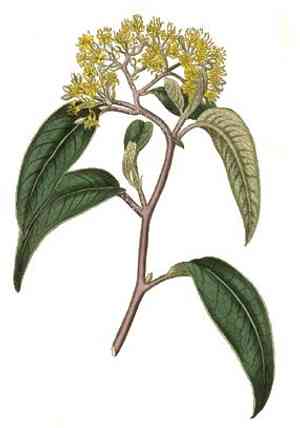
The optimal period for transplanting bigpod ceanothus extends from early spring through its peak flowering phase, guaranteeing vigorous development. Select sites that receive ample sunlight and possess excellent drainage, preferably in slightly elevated areas. Provide meticulous attention to their root systems during the move to ensure successful establishment.
What Preparations are Needed Before Transplanting Bigpod Ceanothus?
What is the Ideal Time for Transplanting Bigpod Ceanothus?
For bigpod ceanothus, the best time for moving it is from when new growth begins until just before the peak of summer heat. This timeframe allows bigpod ceanothus to establish roots in milder temperatures, fostering a strong base for smooth adaptation. Relocating bigpod ceanothus during this window utilizes the natural growth cycle of perennials, using the season's gentle weather to ensure the easiest transition. It provides bigpod ceanothus with the nurturing environment it needs to thrive in its new spot.
How Much Space Should You Leave Between Bigpod Ceanothus Plants?
Hello there! When you're ready to give your bigpod ceanothus a new home, remember to space them out well. Aim for about 6-10 feet (1.8-3 meters) between each plant. This will provide them ample room to spread their roots and flourish without competing for resources.
What is the Best Soil Mix for Bigpod Ceanothus Transplanting?
For your lovely bigpod ceanothus, the soil is like a cozy bed. Use earth that drains well, perhaps a sandy or loamy type. Before planting, mix in a mild, slow-release fertilizer to give them an excellent start. They'll appreciate this small nutrient boost as they settle in!
Where Should You Relocate Your Bigpod Ceanothus?
Your bigpod ceanothus enjoys soaking up the sun like a summer beachgoer. Find a sunny location where they can receive at least six hours of sunlight daily. They'll be happiest in a spot that's like their own little piece of sunshine paradise.
What Equipments Should You Prepare Before Transplantation Bigpod Ceanothus?
Gardening Gloves
To safeguard your hands while handling soil and plants.
Shovel or Spade
For excavating the bigpod ceanothus and preparing the new planting site.
Pruning Shears
To trim any damaged roots or foliage prior to transplanting.
Wheelbarrow or Tarp
To move the bigpod ceanothus from its original spot to the new location.
Watering Can or Hose
To hydrate the bigpod ceanothus before and after relocation.
Mulch
To help maintain soil moisture and regulate temperature around the newly transplanted bigpod ceanothus.
How Do You Remove Bigpod Ceanothus from the Soil?
How Do You Remove Bigpod Ceanothus from the Soil?
From Ground: First, water the bigpod ceanothus to moisten the soil, making it easier to extract the plant without harming roots. Then, use a shovel or spade to dig a wide circle around the plant, carefully prying underneath to keep the root ball intact. Gently lift the bigpod ceanothus out of the ground.From Pot: Water the soil in the pot beforehand. Tip the pot sideways and gently tap or squeeze the sides to loosen the soil's hold. Carefully slide the bigpod ceanothus out while supporting the base of the stem and root ball.From Seedling Tray: Dampen the soil in the tray to facilitate removal. Use a small tool like a dibber or even a spoon to gently lift the seedling by the base without touching the stem. Ensure the root ball remains intact.
Step-by-Step Guide for Transplanting Bigpod Ceanothus
Prepare the New Site
Dig a hole at the new location that is twice the width of the bigpod ceanothus's root ball and of the same depth to ensure the plant is transplanted at its previous growing level.
Inspect the Roots
Examine the bigpod ceanothus's roots. If they are circling the root ball or are excessively long, trim them slightly with pruning shears to encourage outward growth.
Position the Plant
Place the bigpod ceanothus in the center of the hole. Adjust the depth by adding or removing soil beneath the plant until it sits at the appropriate level.
Backfill the Hole
Gently backfill the hole with soil, firming it around the roots of the bigpod ceanothus to eliminate air pockets. Water thoroughly after planting to settle the soil.
Apply Mulch
Spread a layer of mulch around the base of the bigpod ceanothus, keeping it a few inches away from the stem to prevent rot and to conserve moisture.
How Do You Care For Bigpod Ceanothus After Transplanting?
Initial Watering
Water the bigpod ceanothus generously immediately after transplanting to help settle the soil and provide moisture for the roots. Use a gentle stream to avoid disturbing the soil too much.
Monitor Soil Moisture
Check the soil regularly to maintain consistent moisture, especially during the first growing season while the bigpod ceanothus establishes.
Mulch Benefits
Keep the mulch around the bigpod ceanothus replenished to continue its advantages of moisture retention and temperature regulation.
Troubleshooting Common Issues with Bigpod Ceanothus Transplantation.
Why is my bigpod ceanothus wilting after transplanting?
Wilting may occur due to transplant shock. Ensure it's adequately watered and shielded from strong winds.
How much space should I leave between bigpod ceanothus plants?
Allow a distance of 6-10 feet (1.8-3 meters) between plants to give them ample room to thrive.
When is the perfect time to transplant bigpod ceanothus?
The ideal period for transplanting bigpod ceanothus is from the start of early spring until the edge of summer.
What's the best way to prepare the soil for bigpod ceanothus?
Mix well-draining soil with organic compost before planting to encourage healthy root development.
How often should I water bigpod ceanothus after transplanting?
Initially, water deeply once a week to establish roots, then adjust based on weather and soil moisture.
How deep should I plant bigpod ceanothus?
The root ball should be level with the soil surface, not deeper, to prevent stem rot.
Why are the leaves of bigpod ceanothus turning yellow after transplanting?
Excessive watering or poor drainage can cause yellow leaves. Ensure the soil is moist but not waterlogged.
Can I use fertilizer after transplanting bigpod ceanothus?
Wait a few months before fertilizing to avoid burning delicate roots. Use a balanced, slow-release type.
What to do if bigpod ceanothus is not showing new growth?
Be patient, as bigpod ceanothus may be establishing its root system. Ensure it receives sufficient sunlight and water.
Is it necessary to prune bigpod ceanothus after transplanting?
Avoid pruning immediately to reduce stress. Prune for shape and health after the first season of growth.



