The Bigpod ceanothus Plant Advantage: Maximizing Home and Office Appeal and Wellness
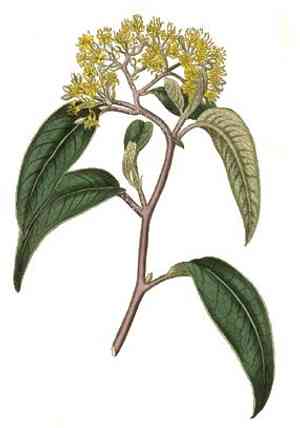
1
Bigpod ceanothus improves ground quality by fixing nitrogen.
2
Its thick leaves offer superb shelter for local fauna.
3
Bigpod ceanothus is a water-efficient indigenous flora.
How Bigpod ceanothus Benefits Soil Quality?
Nitrogen Fixation
Bigpod ceanothus is highly valued for its capacity to fix nitrogen in the soil through a symbiotic relationship with nitrogen-fixing bacteria. This process enriches the soil with vital nutrients, boosting fertility and encouraging the growth of other plants. By improving soil health, Bigpod ceanothus helps maintain the balance of natural ecosystems and supports agricultural practices.
Erosion Control
The dense root systems of Bigpod ceanothus help bind the soil, effectively preventing erosion. This is especially beneficial in areas prone to soil degradation and runoff. Through its extensive root network, Bigpod ceanothus stabilizes the soil, making it an excellent choice for landscape restoration and erosion prevention projects.
Why Is Bigpod ceanothus an Ideal Plant for Wildlife Habitat?
Shelter and Nesting Sites
The thick foliage of Bigpod ceanothus offers excellent shelter and nesting locations for various wildlife, including birds and small mammals. This plant's unique structure provides protection from predators and harsh weather, making it an essential part of native wildlife habitats.
Food Resources
Bigpod ceanothus blooms with clusters of flowers that attract pollinators such as bees and butterflies. The plant's flowers are a significant source of nectar, supporting the needs of crucial pollinators. Additionally, some bird species feed on the seeds of Bigpod ceanothus, further establishing its role as a vital food resource in natural ecosystems.
What Makes Bigpod ceanothus a Water-Efficient Plant?
Drought Resistance
Bigpod ceanothus is well-suited to dry conditions, making it a resilient and water-efficient plant. Its drought-resistant nature means it requires minimal watering once established, reducing the strain on water resources. This makes Bigpod ceanothus an ideal choice for xeriscaping and sustainable gardening practices.
Native Adaptation
Bigpod ceanothus has evolved to thrive in its native environment, allowing it to survive and flourish with minimal human intervention. Its ability to adapt to local climatic conditions translates into lower maintenance needs and higher survival rates compared to non-native species. Using Bigpod ceanothus in landscaping projects reduces the need for supplemental irrigation and promotes sustainable gardening.



