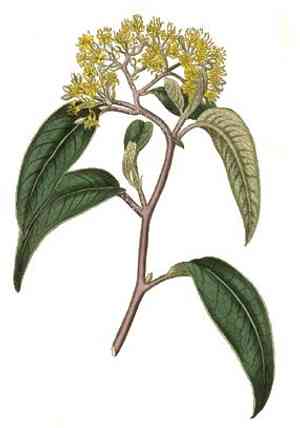
Bigpod ceanothus (Ceanothus megacarpus)
Also known as: Nominate bigpod ceanothus
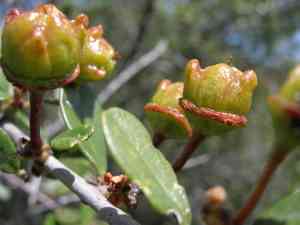
The Bigpod Ceanothus, native to California, is a flowering shrub known for its abundant white flower clusters. It can bloom as early as winter, and is characterized by its prominent seed pods that follow the flowering period.
In This Article
Attributes of Bigpod ceanothus
Lifespan
Perennial
Plant Type
Shrub
Plant Height
3 m
Spread
1.5 m to 3 m
Leaf Color
Dark green
Flower Size
5 mm
Flower Color
White
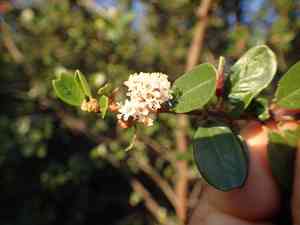
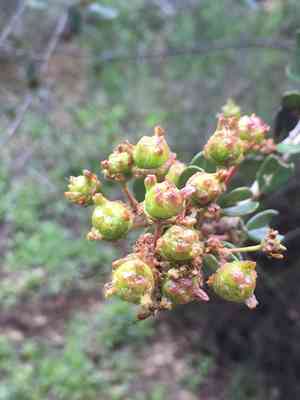
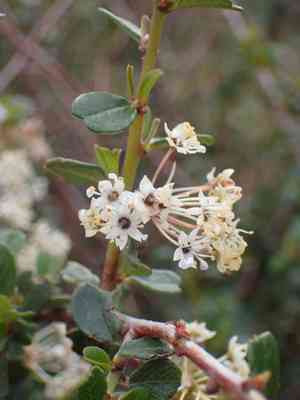
Images of Bigpod ceanothus
Quickly Identify Bigpod ceanothus
1
Ceanothus megacarpus can be identified by its large, leathery leaves and clusters of blue to white flowers. The plant often has a gnarled, woody structure and notable large seed pods.
Scientific Classification of Bigpod ceanothus
Phylum
Vascular plants
Class
Dicotyledons
Order
Rosales
Family
Buckthorn
Genus
Redroots
Species
Bigpod ceanothus
Planting and Growing of Bigpod ceanothus
Care Difficulty
Easy
Watering Schedule
Every day
Sunlight Requirements
Full sun
Sunshine Duration
6-10 hours
Ideal Temperature
60-75℉
Soil Type
Potting Mix, Peat Mix
Soil pH
6.5-7.5
Fertilizer Type
Balanced
Pruning Season
Spring, Summer
Pruning Area
Branches, Leaves
Pruning Frequency
2 times a year
Repotting Season
Spring
Pot Type
Plastic, Ceramic
 How to Water Bigpod ceanothus?
Ceanothus megacarpus thrives with modest watering. When you water, aim for about 500 milliliters, ensuring the water reaches deep into the root zone. The goal is to saturate the soil without waterlogging, allowing roots to access moisture consistently.
What are the symptoms of an underwatered Bigpod ceanothus?
›
What should I do if my Bigpod ceanothus is not getting enough water?
›
What are the symptoms of an overwatered Bigpod ceanothus?
›
How to save an overwatered Bigpod ceanothus?
›
 What Are the Sunlight Requirements for Bigpod ceanothus?
Ceanothus megacarpus ideally enjoys full to partial sun. Adequate light ensures optimal photosynthesis, boosts growth, and enhances flowering potential. The plant becomes more resilient and attractive under appropriate sunlight conditions.
Ideal Sun Exposure
›
Solutions for Optimal Light
›
Benefits of Ideal Lighting
›
 What Is the Ideal Temperature Range for Bigpod ceanothus?
The ideal temperature range for growing Ceanothus megacarpus is between 60°F and 75°F. This temperature allows the plant to thrive and supports optimal growth and flowering. In this range, the plant's metabolic processes function efficiently, facilitating healthy development.
 What Soil is Best for Bigpod ceanothus?
Ceanothus megacarpus thrives in well-drained soil, ensuring that excess moisture does not cause root rot. Adequate drainage is crucial for its survival, allowing roots to breathe and absorb nutrients effectively. This requirement is particularly beneficial in preventing fungal infections. This plant prefers a nutrient-rich substrate that supports its vigorous growth and abundant flowering. By choosing soil rich in organic matter, you provide essential nutrients that enhance the plant's overall health and resilience against pests and diseases. Moderate moisture retention in the soil is ideal for Ceanothus megacarpus, preventing it from drying out during dry spells while avoiding waterlogging. This balance is key for maintaining healthy root systems and supporting the plant's natural growth cycle.
 How to Fertilize Bigpod ceanothus?
Ceanothus megacarpus, commonly known as big pod ceanothus, requires a balanced approach to fertilization. For liquid fertilizers, use a diluted solution of general-purpose plant fertilizer at half strength. Apply approximately 1 cup per plant base monthly during the growing season, ensuring the soil is moist beforehand to prevent root burn.
 How to Prune Bigpod ceanothus?
Begin by removing dead or diseased branches, which can help prevent the spread of issues. Next, focus on shaping the plant by making cuts just above outward-facing buds to encourage open growth. Remove any crossing or rubbing branches to maintain an open shape for better airflow. Pruning should stimulate new growth, encourage flowering, and help in maintaining a compact and manageable size. Regular pruning can also prevent the plant from becoming too leggy or overgrown, which can lead to structural weaknesses.
More About Pruning Techniques→
 How to Propagate Bigpod ceanothus plant?
1
Choose viable seeds by collecting them from healthy parent plants. Ensure seeds are fully matured and undamaged for optimal germination rates.
2
Select healthy, non-flowering shoots for cuttings. Make a clean cut below a node using sharp pruning shears to improve root development prospects.
3
Place the cut end of your prepared cutting into a potting medium. Ensure at least one node is below the surface to encourage root growth, and water thoroughly.
 How to Repot Bigpod ceanothus plant?
1
Ceanothus megacarpus shows signs of needing repotting when roots start to circle the pot's base or are visibly protruding from the drainage holes. Additionally, if water drains too quickly or not at all, it might indicate a need for repotting. Spring and Autumn are ideal as the plant is less stressed during cooler periods, ensuring a smooth transition.
2
Choosing the right pot is crucial. Ensure it's one size larger than the current pot, featuring adequate drainage holes to prevent waterlogging. Opting for a terracotta pot can be advantageous, as it allows moisture to evaporate, mimicking the plant's natural dry environment. This aids in preventing root rot and provides substantial stability for the plant.
3
A sandy, well-drained soil mix is ideal for Ceanothus megacarpus. This mimics its natural coastal environment, providing aeration to the roots and preventing water retention. Incorporating coarse sand or perlite can enhance drainage and ensure that the roots receive oxygen, which is essential for their growth and the overall health of the plant.



