How to Prune Bigpod ceanothus?
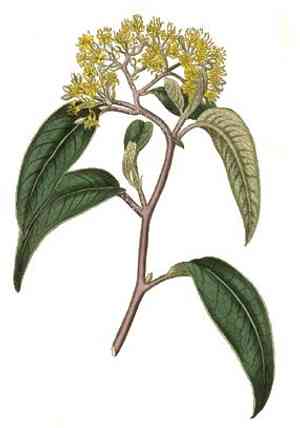
Distinguished by its substantial seed vessels and thick leaves, bigpod ceanothus thrives with trimming to preserve its form and vigor. The optimal period for pruning is in late winter or early spring, right before fresh development commences. Removing older branches and dead material enhances air movement and lowers the likelihood of illness. Trimming subsequent to blooming stimulates the formation of new buds, leading to more vivid flowers. Consistent pruning additionally revitalizes growth, guaranteeing a dense and robust structure.
Advantages of Trimming Bigpod Ceanothus
Advantages of Trimming Bigpod Ceanothus
Trimming bigpod ceanothus promotes robust development and helps preserve its desired form. Strategic cuts stimulate fresh, healthy branches, boosting the plant's overall vitality and visual appeal.
Optimal Time for Pruning Bigpod Ceanothus
Optimal Time for Pruning Bigpod Ceanothus
During late winter, bigpod ceanothus is typically dormant, making it less vulnerable to stress or illness from pruning. This is a preparatory stage before spring's active growth, ensuring cuts heal quickly as the plant resumes growth. Early spring is also ideal for pruning, as emerging buds indicate which parts of bigpod ceanothus need trimming for shape and healthy development. Pruning during these seasons prevents unnecessary removal of flowers or fruits, as bigpod ceanothus often blooms after late spring. This timing also allows gardeners to manage bigpod ceanothus's size and remove frost damage, setting the stage for a healthy growing season.
Tools Required for Pruning Bigpod Ceanothus
Hand Pruners
Perfect for making clean cuts on smaller stems and branches of bigpod ceanothus, typically up to 3/4 inch in diameter. Choose bypass pruners for cleaner cuts, vital for the plant's health.
Loppers
Best for cutting through thicker bigpod ceanothus branches up to 2 inches in diameter. The long handles provide leverage, simplifying pruning and allowing access without damaging surrounding foliage.
Pruning Saw
Essential for removing the largest bigpod ceanothus branches over 2 inches thick. A sharp, curved blade makes quick work of tough cuts.
Hedge Shears
Useful for shaping bigpod ceanothus, especially for formal hedges or a more uniform look. Ensure sharp shear blades to prevent stem tearing, which can lead to diseases.
Pole Pruner
For high, out-of-reach branches, a pole pruner is recommended. This allows gardeners to trim the top of bigpod ceanothus safely without a ladder.
Gloves
To shield your hands from thorns and rough bark while pruning bigpod ceanothus, durable gardening gloves are crucial. They also improve tool grip.
How to Prune Bigpod Ceanothus
Sanitize
Before beginning to prune bigpod ceanothus, disinfect pruning tools with alcohol or a bleach solution to prevent disease spread.
Remove diseased parts
Carefully remove any diseased leaves and branches from bigpod ceanothus. Make clean, angled cuts just above a healthy leaf node or lateral branch to encourage proper healing and new growth.
Eliminate dead material
Prune away withered leaves and dead branches on bigpod ceanothus. Cut these parts back to healthy wood, ensuring no stubs are left, as they can attract pests or rot.
Selective thinning
Thin bigpod ceanothus's growth if needed by selectively removing some older branches. This improves air circulation and sunlight penetration, which can help reduce disease prevalence.
Prune for shape
Finally, lightly shape bigpod ceanothus, if desired, by trimming overgrown areas. Aim to maintain a natural form, cutting branches at varying lengths to avoid a sheared appearance and promote more flowers and bushy growth.
Common Pruning Errors with Bigpod Ceanothus
Overpruning
Removing too much foliage can stress bigpod ceanothus, leading to a weak plant more prone to disease and poor flowering. It's vital to prune no more than one-third of the growth to maintain plant health.
Improper cut position
Cutting too far from or too close to a bud or node can result in unhealthy new growth or dieback. It's crucial to cut just above the bud or node to promote healthy regrowth.
Using dull tools
Dull or dirty pruning tools can damage bigpod ceanothus branches and introduce disease. Always use clean, sharp tools for precise cuts.
Neglecting to shape
Failing to consider bigpod ceanothus's natural shape can lead to an unbalanced and unattractive appearance after pruning. Gardeners should aim to maintain the plant's natural form for optimal results.
Pruning too frequently
Pruning bigpod ceanothus too often can hinder optimal flowering, as it blooms on old growth. It's important to allow the plant to mature between pruning sessions.
General Pruning Advice for Bigpod Ceanothus
Selective pruning
Target dead, diseased, or crossing branches for removal to enhance air circulation and sunlight penetration, which will help bigpod ceanothus maintain vigor and health.
Follow plant contours
Prune in a manner that follows and enhances bigpod ceanothus's natural contours, fostering an aesthetically pleasing shape that complements the plant's growth habit.
Use clean cuts
Make clean cuts at a slight angle, just above outward-facing buds, to direct new growth outwards, improving bigpod ceanothus's structure and appearance.
Thinning over shearing
Opt for thinning over shearing, as bigpod ceanothus responds better to selective branch removal rather than uniform shortening, promoting more natural and fuller regrowth.
Post-flowering pruning
After bigpod ceanothus has bloomed, lightly prune to remove spent flowers and any excess growth, which will encourage the next season's blooms without sacrificing the plant's shape.



