How to Transplant Carmel ceanothus?
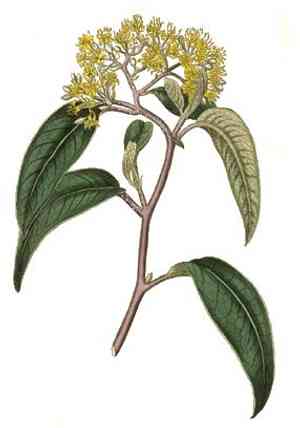
The most favorable period for relocating carmel ceanothus is when the moderate temperatures of mid-to-late spring embrace the landscape, allowing roots to settle prior to the summer heat. Select a bright location featuring soil that drains effectively. When moving carmel ceanothus, guarantee minimal disruption to its root system to preserve its robustness.
What Preparations are Needed Before Transplanting Carmel Ceanothus?
What is the Ideal Time for Transplanting Carmel Ceanothus?
The optimal period to relocate carmel ceanothus is during the peak of spring. This timeframe offers prime growing conditions, promoting strong root development prior to summer's heat. Introducing carmel ceanothus to your garden in this season ensures a vigorous growth cycle, as the mild weather minimizes transplant shock and provides ample time for root establishment. Furthermore, spring rainfall can naturally assist with hydration, enabling carmel ceanothus to flourish. Transplant carmel ceanothus now to enjoy a magnificent display in your landscape.
How Much Space Should You Leave Between Carmel Ceanothus Plants?
When planting carmel ceanothus, ensure it has adequate room to expand. A general guideline is to position your plants 5-6 feet (1.5-1.8 meters) apart. This spacing will guarantee each plant receives the necessary resources without competition.
What is the Best Soil Mix for Carmel Ceanothus Transplanting?
Preparing the soil for carmel ceanothus is crucial. This plant thrives in well-draining soil. You might consider incorporating some organic compost into your soil to enrich it, then adding slow-release fertilizer. This provides carmel ceanothus with a consistent nutrient supply. Experienced gardeners often utilize a base fertilizer with a higher phosphorus content (the 'P' in N-P-K).
Where Should You Relocate Your Carmel Ceanothus?
Carmel ceanothus loves the sun! When selecting a planting site, choose a location that receives full sunlight for the majority of the day. This means at least 6 hours of direct sun exposure. Keep this in mind as you determine the best spot for your carmel ceanothus.
What Equipments Should You Prepare Before Transplantation Carmel Ceanothus?
Gardening Gloves
To safeguard your hands while handling roots and soil.
Spade or Shovel
To excavate the plant from its original spot and prepare the new planting hole.
Garden Fork
If the soil is dense, use this to loosen it slightly.
Wheelbarrow
To move the carmel ceanothus plant from its initial location to the new site.
Garden Trowel
For more precise digging and placement tasks.
Watering Can or Garden Hose
To hydrate the plant before and after relocation.
Mulch
To help retain moisture in the new location after transplanting.
How Do You Remove Carmel Ceanothus from the Soil?
How Do You Remove Carmel Ceanothus from the Soil?
From Ground: Begin by thoroughly watering the carmel ceanothus plant before proceeding with its removal. Using a spade or shovel, dig a wide circle around it, being careful not to damage the root ball. Once completed, gently work the spade beneath the root ball and carefully lift the plant to extract it.From Pot: First, water the carmel ceanothus plant, then tilt the pot sideways. Gently ease the plant out, using your fingers to loosen compacted roots. Be cautious not to pull too forcefully and harm the plant.From Seedling Tray: Water the tray thoroughly before transplanting. Gently hold the seedling by its leaves (never by its stem) and use a dibber or pencil to carefully lever it out, including its roots. The goal is to minimize root disturbance.
Step-by-Step Guide for Transplanting Carmel Ceanothus
Preparation
Select an appropriate new site for carmel ceanothus based on its light and space requirements. Clear the area of any weeds or other garden debris.
Digging
Using your shovel, excavate a hole that is twice as wide and the same depth as the plant's root ball.
Planting
Carefully place carmel ceanothus in the hole, ensuring it is not planted deeper than its original position. Backfill with soil until it is level with the surface.
Watering
Immediately after planting, water carmel ceanothus generously, until the soil is completely saturated.
Mulching
Once the water has drained, apply a layer of mulch around the plant, but keep it away from the stem. This will aid in moisture retention.
How Do You Care For Carmel Ceanothus After Transplanting?
Watering
Initially, water the carmel ceanothus generously, then frequently enough to keep the soil moist but not waterlogged.
Pruning
After the first year, prune carmel ceanothus to encourage a more compact shape and to remove any dead or damaged wood.
Winter Care
Protect carmel ceanothus from severe winter weather by covering it during harsh frosts and heavy snowfalls.
Insects/Diseases
Monitor for signs of pests or diseases. If observed, identify and treat them appropriately, using eco-friendly solutions when possible.
Troubleshooting Common Issues with Carmel Ceanothus Transplantation.
When is the best time to transplant carmel ceanothus?
Relocate carmel ceanothus during the transition from spring to early summer (S2-S3). This helps the plant acclimate to its new surroundings before winter.
What should be the distance between two carmel ceanothus plants while transplanting?
The ideal spacing is 5-6 feet (1.5-1.8 meters). This provides carmel ceanothus ample room to grow well and spread its branches freely.
What's the best method to dig up carmel ceanothus in preparation for transplant?
With great care! Dig a substantial root ball (wider than the plant canopy and at least 12 inches or 30 cm deep). Keep roots moist during the transplant process.
How deep should carmel ceanothus be planted during transplant?
Plant carmel ceanothus at the same depth it was in its original location. The top of the root ball should be flush with the ground surface.
Does carmel ceanothus require a particular soil type for successful transplanting?
Carmel ceanothus adapts to various soil types. However, well-drained soil is optimal. The plant will not thrive in waterlogged conditions.
How frequently should I water carmel ceanothus after transplanting?
Water carmel ceanothus immediately after transplanting, then regularly for the first couple of weeks. Afterward, it appreciates a good drink but can tolerate drier periods.
I think my carmel ceanothus is in shock after transplanting. What should I do?
Carmel ceanothus may show slight wilting after relocation, but do not be alarmed. Keep it well-hydrated and out of direct sunlight for a few days to aid recovery.
Can I transplant carmel ceanothus from a container?
Absolutely! However, be careful not to disturb the root system. Loosen the soil around the edges, and gently lift the plant (with intact soil) out of the pot.
Should I prune carmel ceanothus during transplanting?
Yes, pruning stimulates new growth. Trim approximately one-third of the plant's overall height and width to encourage root development after transplanting.
Should I fertilize carmel ceanothus immediately after transplanting?
No, waiting two weeks before fertilizing allows carmel ceanothus to settle into its new home. This prevents fertilizer burn and assists in root establishment.



